Adult otoplasty can correct prominent or uneven ears at almost any stage of adult life. There is no standard upper age limit when the patient is healthy enough for surgery and has realistic expectations.
Age matters less than general health, cartilage structure, healing ability, smoking status, and the exact correction required.
The Direct Answer: Adults Are Not Too Old For Otoplasty
Otoplasty is often associated with children because prominent ears can be corrected once the ears have developed sufficiently. However, the opportunity for treatment does not disappear after childhood.
Adults in their 20s, 40s, 60s, and beyond may still be considered for surgery. The surgeon must evaluate whether the patient can safely undergo the operation and whether the ear cartilage can be reshaped effectively.
Adult cartilage is usually firmer than a child’s cartilage. This may change the surgical technique, but it does not automatically prevent correction.
Patients considering otoplasty in Albania can receive an initial assessment based on photographs and medical information. The final plan is confirmed after an in-person examination in Tirana.
Why Do Some People Wait Until Adulthood?
Many adults have been aware of their prominent ears since childhood but did not have surgery earlier. The decision may be delayed because of family circumstances, limited access to treatment, personal uncertainty, or concern about surgery.
Other adults begin considering otoplasty after changing their hairstyle or experiencing changes in their professional or social life.
Common reasons include:
- Wanting to wear shorter hairstyles
- Feeling uncomfortable when tying the hair back
- Avoiding photographs from certain angles
- Feeling that one ear is more prominent than the other
- Wanting greater balance between the ears and face
- Correcting the result of previous ear surgery
- Treating a change caused by injury
- Making a personal decision that was postponed during childhood
Otoplasty should be chosen by the patient. It should not be performed only because a partner, relative, or another person wants the ears to look different.
What Makes Ears Look Prominent?
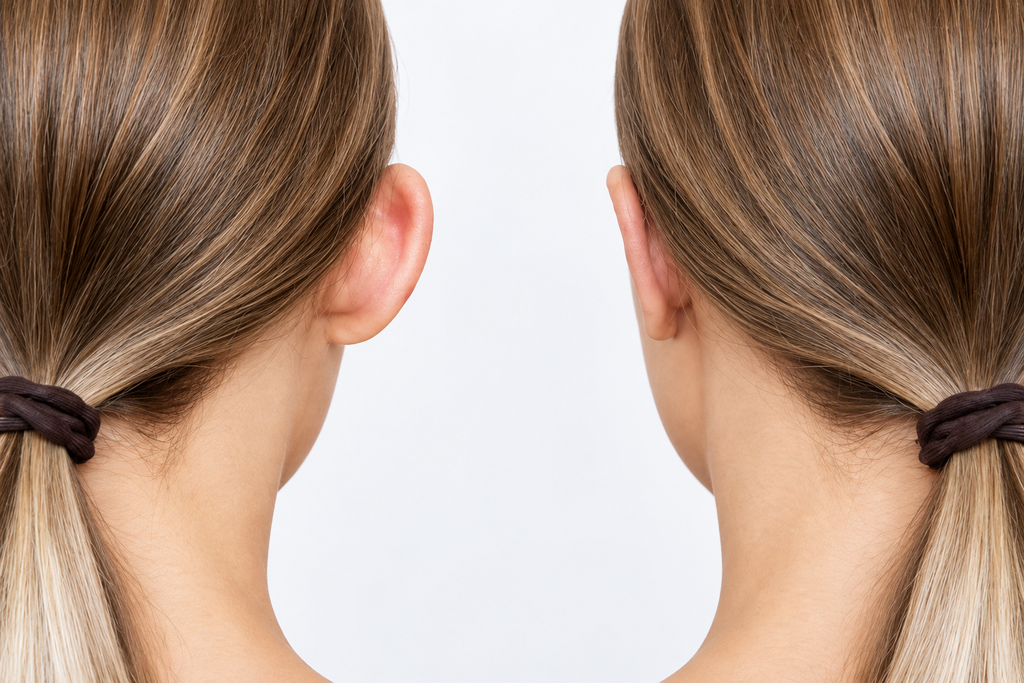
Prominent ears do not always have the same anatomical cause. Two patients may feel that their ears stick out, but they may need different corrections.
The surgeon may identify:
- A weak or absent antihelical fold
- A deep or enlarged conchal bowl
- An increased angle between the ear and head
- Excess cartilage
- Differences between the left and right ears
- An unusual shape in the upper part of the ear
- A combination of several structural features
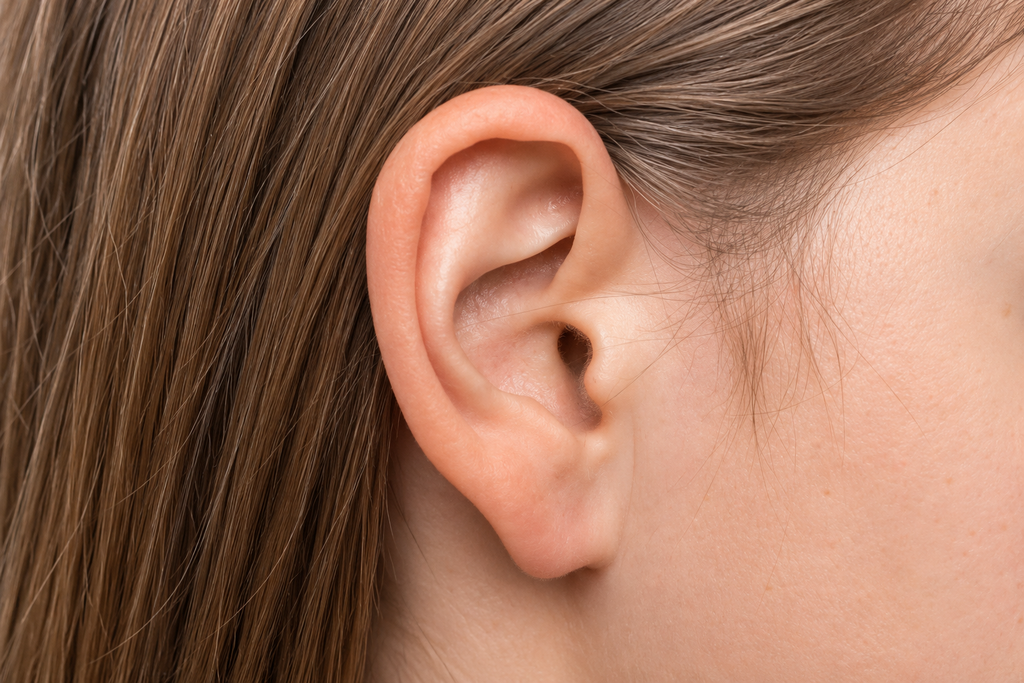
The antihelical fold is the natural curved ridge inside the outer ear. When this fold is not clearly formed, the upper ear may project outward.
The conchal bowl is the deeper central area near the ear opening. If it is particularly deep, it can push the complete ear farther away from the head.
Correcting only one feature when several are involved may create an incomplete or unbalanced result. This is why the surgeon examines the entire outer ear rather than simply measuring how far it projects.
Age Vs The Factors That Actually Determine Suitability
| Factoriser | Pourquoi c'est important |
|---|---|
| Santé générale | Medical conditions may increase surgical or anaesthesia risks |
| Cartilage structure | Firmer cartilage may require different reshaping methods |
| Skin condition | Healthy skin supports wound healing |
| Smoking and nicotine | Nicotine can reduce blood flow and interfere with healing |
| Previous ear surgery | Scar tissue can make the operation more complex |
| Ear symmetry | Each ear may require a different amount of correction |
| Médication | Some medicines or supplements may affect bleeding or recovery |
| Personal expectations | The goal should be improvement rather than perfect symmetry |
| Soutien à la récupération | The patient must protect the ears while they heal |
| Motivation | Surgery should be the patient’s own informed decision |
Who May Be A Suitable Candidate For Adult Otoplasty?
An adult may be considered for otoplasty when one or both ears are prominent and the patient wants a realistic change in their position or shape.
Suitable candidates commonly:
- Are in good general health
- Have no untreated infection around the ears
- Do not have a medical condition that seriously affects healing
- Do not smoke or are prepared to stop nicotine as instructed
- Understand where the scars may be located
- Can follow recovery instructions
- Accept that minor asymmetry may remain
- Have clear and personal reasons for choosing surgery
- Understand the possible risks
- Have enough time to recover before returning to demanding activities
An online consultation can indicate whether the concern may be suitable for otoplasty. However, photographs cannot show cartilage strength, skin condition, or every difference between the ears.
When May Surgery Need To Be Delayed?
The surgeon may recommend postponing adult otoplasty when a temporary or treatable issue could increase risk.
Possible reasons include:
- An active skin or ear infection
- An uncontrolled medical condition
- Medication that has not been medically reviewed
- Current smoking or nicotine use
- Unrealistic expectations
- Pressure from another person
- Insufficient time for recovery
- Plans for activities that could injure the ears soon after surgery
Patients should provide accurate information about their health, medication, allergies, previous operations, and nicotine use. Hiding information can make treatment less safe.
The surgical team may request medical tests or approval from another doctor, depending on the patient’s age and health history.
Can Only One Ear Be Corrected?
Yes, one-sided otoplasty may be possible when only one ear is noticeably prominent or has been affected by injury.
However, the surgeon should still examine both ears. The untreated ear becomes the reference for position, shape, height, and projection.
Sometimes a small adjustment to both ears creates better balance. In other cases, operating only on the more prominent side is appropriate.
The goal is not perfect mirror-image symmetry. Natural ears usually have small differences in shape and position.
Otoplasty Does Not Affect Hearing
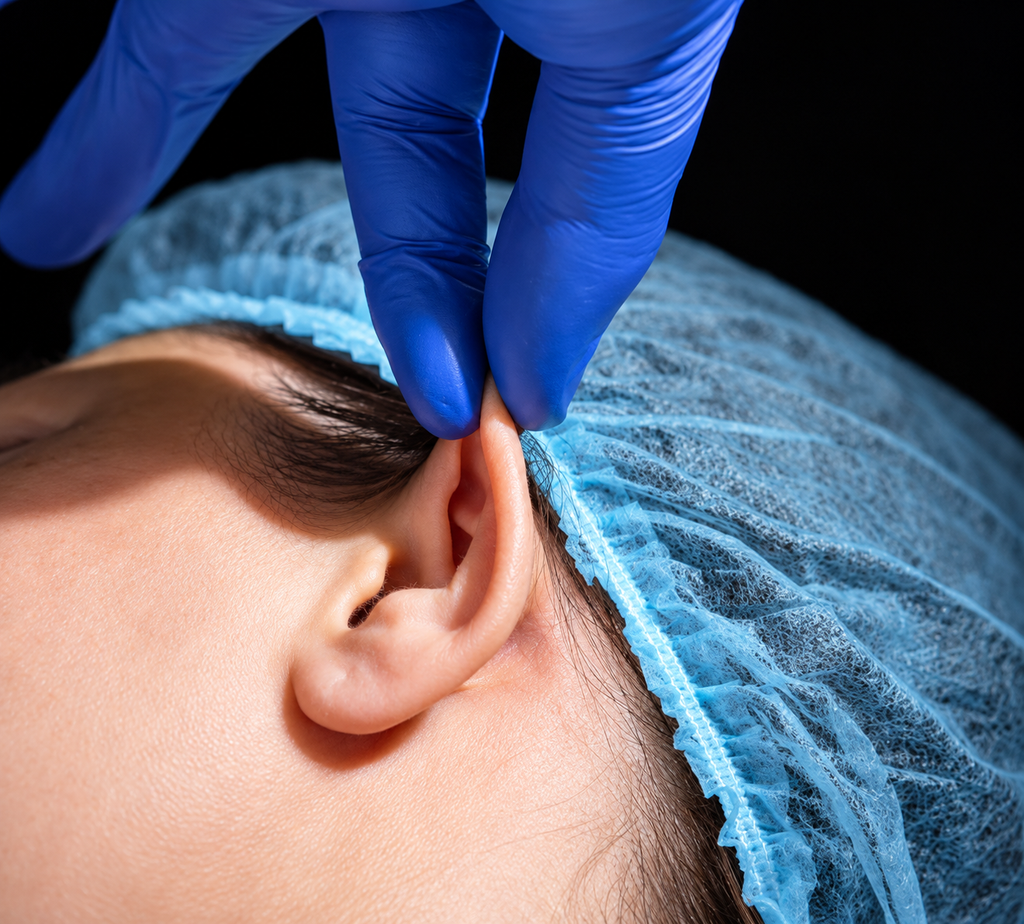
Otoplasty treats the visible outer ear. It does not move the ear to a different place on the head and is not intended to improve hearing.
The ear canal, eardrum, and deeper hearing structures are not the usual focus of cosmetic ear-pinning surgery.
Patients with hearing problems, repeated infections, pain, discharge, or another functional concern may need an examination by an ear, nose, and throat specialist. Cosmetic surgery should not replace the correct medical evaluation.
Adult Otoplasty Vs Childhood Otoplasty
| Consideration | Adult Otoplasty | Childhood Otoplasty |
| Cartilage | Usually firmer and less flexible | Often softer and easier to shape |
| Decision | Made directly by the adult patient | Requires careful discussion with the child and parents |
| Anaesthesia | Local anaesthesia with sedation or general anaesthesia may be considered | General anaesthesia is commonly considered |
| Planification de la récupération | Organized around work, exercise, and travel | Organized around school, play, and parental support |
| Expectations | Adult communicates goals directly | Child must be comfortable with and understand the procedure |
| Upper age limit | No fixed standard limit for medically suitable adults | Usually considered after sufficient ear development |
The adult procedure is not necessarily more extensive. The main difference is that firmer cartilage may require stronger shaping or fixation.
What Happens During The Procedure?
The exact steps depend on the patient’s anatomy. Otoplasty may be performed with local anaesthesia and sedation or under general anaesthesia.
A typical operation may include:
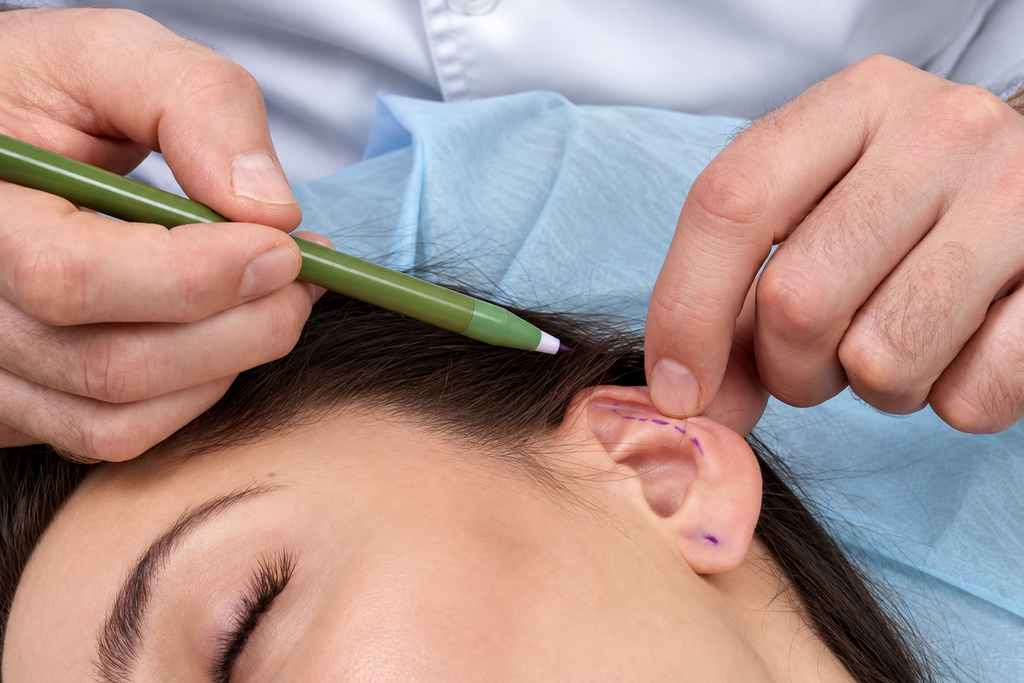
- Marking the planned folds and ear position.
- Making an incision behind the ear or within a natural crease.
- Reaching the cartilage through the incision.
- Reshaping or repositioning selected cartilage.
- Placing internal sutures to support the new position.
- Comparing both ears from several angles.
- Closing the incisions and applying dressings.
The surgeon should avoid pulling the ears excessively close to the head. A small natural space and smooth ear contours should remain.
Will The Result Look Natural?
Natural adult otoplasty should make the ears less dominant without making them appear tightly attached to the head.
The surgeon evaluates the ears from the front, back, side, and three-quarter views. A balanced result depends on more than reducing projection.
Important details include:
- A smooth antihelical fold
- Natural curves without sharp edges
- Suitable space between the ear and head
- Similar but not perfectly identical ear positions
- A balanced relationship with the head and face
- No obvious overcorrection
The change may be noticeable to the patient without being obvious to other people. The ears should still retain their individual character.
Where Are Otoplasty Scars Located?
Incisions are commonly placed in the crease behind the ear. This location helps conceal the scar when the ear is viewed from the front or side.
Some techniques may require an incision within a natural fold on the front of the ear. The incision plan depends on the cartilage correction required.
Scars are permanent, although they usually change and soften with time. Their appearance depends on genetics, skin type, tension, healing, sun protection, and aftercare.
Patients with a history of thick or raised scars should tell the surgeon before treatment. If a patient has a separate concern involving an existing scar, more information is available about scar revision in Albania.
Recovery After Adult Otoplasty
The ears may feel tight, tender, numb, swollen, or bruised during early recovery. A supportive dressing is usually applied to protect the new position.
Recovery instructions differ between patients, but the general stages may include:
| Phase de rétablissement | What You May Expect |
| Les premiers jours | Dressings, swelling, tenderness, and a feeling of pressure |
| Première semaine | Medical review and possible dressing adjustment or removal |
| Following weeks | Continued reduction of swelling and use of a headband if prescribed |
| Later recovery | Gradual return to exercise and activities after surgical approval |
| Final settling | Scars and cartilage contours continue changing over several months |
Patients should avoid sleeping directly on the ears until the surgeon allows it. Pulling clothing over the head, tight headphones, helmets, contact sports, and accidental pressure can disturb healing.
The exact return-to-work date depends on the operation and the patient’s job. Someone working at a desk may return sooner than a patient whose work involves physical activity, protective headwear, or a risk of impact.
Planning Otoplasty In Albania As An International Patient
Medical travel should include enough time for consultation, surgery, recovery, and medical checks. The trip should not be planned around the earliest possible flight home.
The process with Medical Tourism in Albania may include:
- An initial online assessment
- Review of photographs and medical history
- Treatment planning with a plastic surgeon
- Help organizing appointments and travel
- An in-person examination in Tirana
- Surgery at the selected medical facility
- Postoperative checks before departure
- Online communication after returning home
Return travel should be approved by the surgical team. Patients can learn more about organizing follow-up through our guide to medical tourism aftercare in Albania.
Risks And Possible Complications
Otoplasty is a surgical procedure and cannot be described as risk-free.
Possible complications include:
- Saignement
- Infection
- Fluid or blood collection
- Delayed wound healing
- Changes in skin sensation
- Visible or raised scars
- Differences between the ears
- Overcorrection
- Under-correction
- Cartilage irregularities
- Sutures becoming visible or causing irritation
- Partial return of the previous position
- Skin circulation problems
- Persistent discomfort
- Nécessité d'une reprise chirurgicale
- Complications liées à l'anesthésie
The surgeon should explain which risks are most relevant to the individual patient. Following medical instructions can support healing, but it cannot guarantee a complication-free result.
How Long Do Adult Otoplasty Results Last?
The structural change can be long-lasting once the cartilage has healed in its new position. However, no responsible surgeon should promise that the ears will never change.
Natural ageing, injury, healing response, cartilage tension, or suture problems may affect the result. A small degree of movement or asymmetry may develop over time.
Protecting the ears during recovery is especially important. Early pressure or trauma can interfere with the new cartilage position before healing is complete.
Questions fréquemment posées
Is 40 Or 50 Too Old For Otoplasty?
No fixed age automatically makes someone too old. General health, healing ability, medication, cartilage structure, and surgical risk are more important than the number of years.
Is Adult Cartilage Too Hard To Reshape?
Adult cartilage is usually firmer than a child’s cartilage, but surgeons can use techniques designed to reshape and support it. The method is selected after examining the ear.
Can Adult Otoplasty Be Performed Under Local Anaesthesia?
It may be performed with local anaesthesia and sedation in selected adults. General anaesthesia may be recommended depending on the operation, patient preference, and medical assessment.
Will People Notice That I Had Ear Surgery?
Swelling and dressings may make the procedure noticeable during early recovery. Once healed, the aim is for the ears to look balanced rather than obviously operated.
Can Prominent Ears Return After Surgery?
Some degree of recurrence is possible because cartilage has natural tension and healing varies. Careful technique and proper protection during recovery help support the new position.
Can Otoplasty Correct Different-Sized Ears?
It may improve selected differences in size, shape, or projection. It cannot always create perfect symmetry, and the surgeon should explain which differences are realistically treatable.
It Is Not Too Late To Feel Comfortable With Your Ears ✨
If prominent ears have concerned you since childhood, you do not need to assume that the opportunity for correction has passed. Medical Tourism in Albania can connect you with an experienced plastic surgeon and organize a treatment plan based on your ear structure, health, and goals.
📸 Send clear ear photographs for a free initial evaluation
👨⚕️ Receive a personalized recommendation from a plastic surgeon
👂 Understand how your cartilage and ear position can be corrected
✈️ Get help with appointments, accommodation, and airport transfers
📲 Stay supported before surgery and after returning home
Ready to explore adult otoplasty in Tirana?
👉 Contactez Medical Tourism in Albania and receive clear guidance for your treatment journey.
WhatsApp: +355 69 657 9999 or +355 69 625 1111
Téléphone : +355 45 627 297
Courriel : info@medicaltourisminalbania.com
 French
  English
  Italian
  Albanian
  Spanish
  German
  Greek
Greek  Dutch
Dutch  Polish