
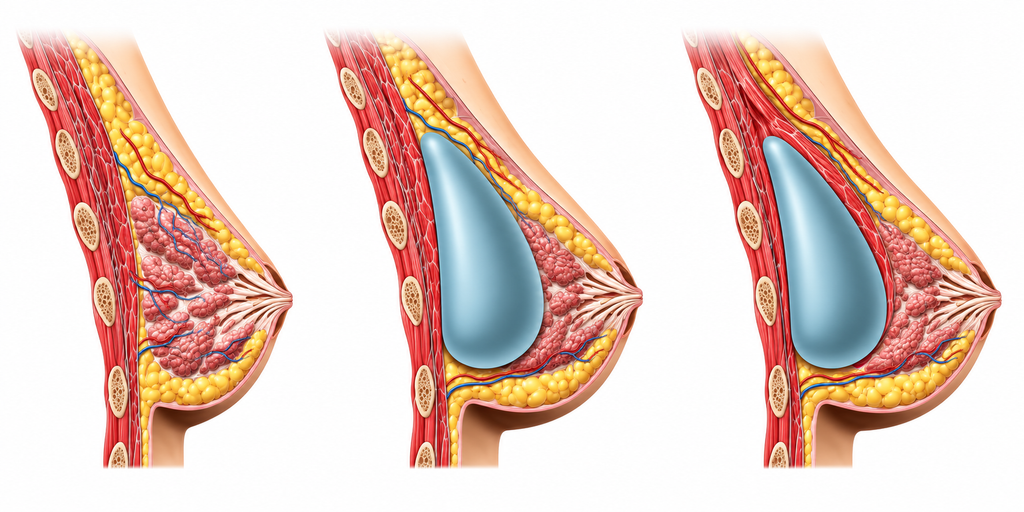
Le protesi mammarie possono essere posizionate sopra il muscolo pettorale, parzialmente sotto di esso, o utilizzando una tecnica a doppio piano. Nessuna posizione è automaticamente la migliore per ogni paziente.
Il chirurgo sceglie la posizione dell'impianto dopo aver esaminato il tessuto mammario, la qualità della pelle, l'anatomia del torace, lo stile di vita e il risultato desiderato.
Dove Può Essere Posizionata una Protesi Mammaria?
Il seno si trova sopra il muscolo grande pettorale del torace. Durante l'aumento del seno, il chirurgo crea una tasca in uno strato specifico di tessuto e vi posiziona l'impianto.
Le tre posizioni comunemente discusse sono:
- Sopra il muscolo, chiamata anche posizionamento sottoghiandolare
- Sotto il muscolo, solitamente riferito al posizionamento subpettorale parziale
- Posizionamento dual-plane, che combina caratteristiche di entrambe le posizioni
I pazienti che stanno considerando aumento del seno in Albania dovrebbero capire che il posizionamento e la dimensione dell'impianto devono essere pianificati insieme. Scegliere uno senza considerare l'altro può influenzare la copertura, il movimento e il supporto a lungo termine.
Cosa Significa il Posizionamento Sopra il Muscolo?
Con il posizionamento sopra il muscolo, l'impianto è posizionato dietro il tessuto mammario naturale ma davanti al muscolo grande pettorale.
Il tessuto mammario e la pelle coprono l'impianto. Il muscolo del torace rimane dietro di esso e non viene sollevato per formare la tasca principale dell'impianto.
Questo posizionamento può essere considerato quando la paziente ha abbastanza tessuto naturale per nascondere l'impianto. Può anche essere utile quando evitare il movimento dell'impianto durante una forte contrazione del muscolo del torace è un obiettivo importante.
Tuttavia, l'impianto può diventare più visibile quando il paziente ha tessuti sottili, volume mammario limitato o un supporto cutaneo debole.
Cosa Significa il Posizionamento Sotto il Muscolo?
L'espressione “sotto il muscolo” può essere leggermente fuorviante. In molte operazioni estetiche al seno, l'impianto non è completamente coperto dal muscolo.
La parte superiore dell'impianto è posizionata dietro il muscolo grande pettorale, mentre la parte inferiore solitamente si estende al di sotto del suo margine inferiore. Questo è spesso descritto come posizionamento subpettorale parziale.
Il muscolo fornisce una copertura aggiuntiva sulla parte superiore dell'impianto. Questo può creare una transizione più uniforme tra il torace e il seno, specialmente nei pazienti con tessuto naturale limitato.
Il compromesso è che l'impianto può muoversi quando il muscolo del torace si contrae. Il recupero può anche comportare una maggiore tensione o disagio legato ai muscoli.
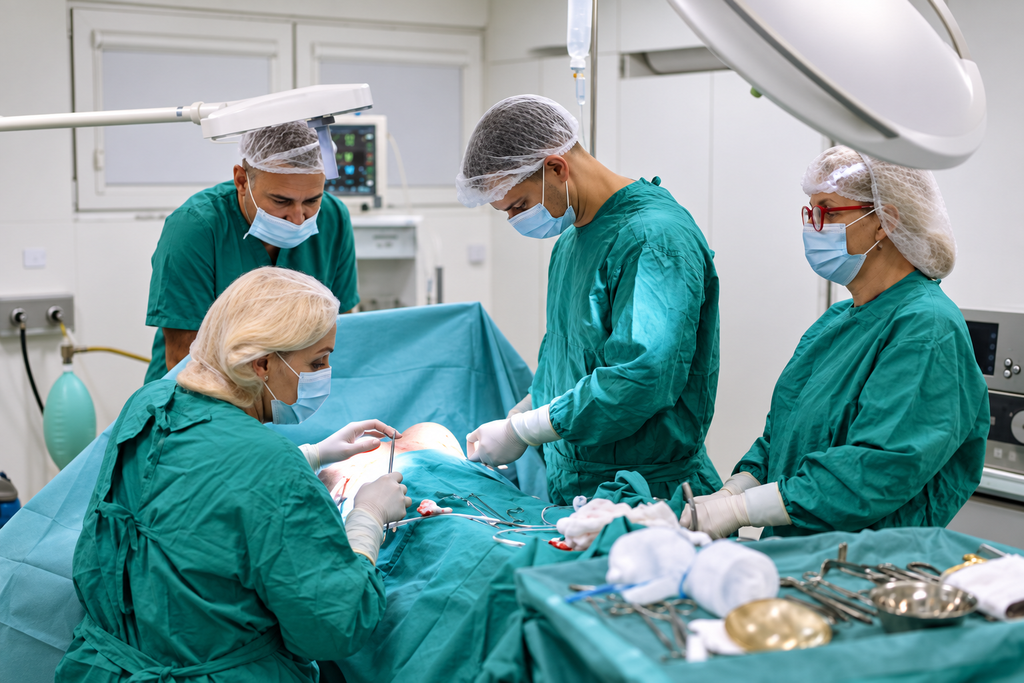
Cosa è il Posizionamento dell'Impianto Mammario Dual-Plane?
Il posizionamento dual-plane combina la copertura muscolare nella parte superiore del seno con una minore copertura muscolare sulla parte inferiore dell'impianto.
Il chirurgo rilascia parte della connessione tra il muscolo e il tessuto mammario. Questo permette all'impianto di modellare la parte inferiore del seno mantenendo una copertura extra verso l'alto.
Esistono diverse forme di chirurgia dual-plane. La quantità di separazione dei tessuti e il rilascio muscolare dipendono dalla forma del seno del paziente, dalla posizione del capezzolo, dalla pelle e dall'impianto pianificato.
Il posizionamento dual-plane può essere utile in pazienti selezionati, ma non è una soluzione universale. Il chirurgo deve decidere se l'aggiustamento aggiuntivo del tessuto sia appropriato.
Sotto Vs Sopra il Muscolo: Differenze Principali
| Fattorizzare | Sopra il Muscolo | Sotto il Muscolo |
| Posizione dell'impianto | Dietro il tessuto mammario e davanti al muscolo pettorale | Almeno parzialmente dietro al muscolo pettorale |
| Copertura superiore dell'impianto | Dipende principalmente dal tessuto mammario naturale | Copertura aggiuntiva dal muscolo |
| Movimento muscolare | L'impianto è meno influenzato dalla contrazione del muscolo pettorale | L'impianto può muoversi o cambiare forma durante la contrazione |
| Disagio iniziale | Può comportare meno disagio muscolare | La tensione muscolare può essere più evidente |
| Bordi dell'impianto visibili | Più probabile quando il tessuto è sottile | Il muscolo può aiutare a nascondere il bordo superiore dell'impianto |
| Ondulazione | Può essere più visibile con una copertura tissutale limitata | Le ondulazioni superiori possono essere meno visibili grazie alla copertura muscolare |
| Modellamento del seno inferiore | L'impianto può riempire direttamente la tasca mammaria | Dipende dal rilascio muscolare e dalla tecnica chirurgica |
| Considerazioni atletiche | Evita l'animazione causata dall'impianto dietro il muscolo | Una forte attività del torace può causare movimenti visibili dell'impianto |
| Pazienti adatti | Spesso pazienti con adeguato supporto tissutale e cutaneo | Spesso pazienti che necessitano di maggiore copertura dell'impianto superiore |
Lo Spessore del Tessuto È Uno dei Fattori Più Importanti
Il chirurgo deve determinare se il paziente ha abbastanza tessuto per coprire l'impianto.
Un paziente magro con pochissimo tessuto mammario può avere una maggiore probabilità di bordi dell'impianto visibili o ondulazioni con il posizionamento sopra il muscolo. Una copertura muscolare aggiuntiva può rendere la parte superiore del seno più liscia.
I pazienti con più tessuto mammario naturale possono avere una copertura sufficiente per un impianto sopra il muscolo. Anche in questo caso, lo spessore del tessuto dovrebbe essere valutato in diverse aree perché la copertura potrebbe non essere uniforme su tutto il seno.
Il chirurgo può esaminare lo spessore del tessuto pizzicandolo delicatamente, prendendo misurazioni e valutando il seno da diverse angolazioni.
Anche la Qualità e il Supporto della Pelle Sono Importanti
La pelle deve sostenere il peso del seno e dell'impianto. La pelle sottile, distesa o meno elastica potrebbe non sostenere bene un impianto grande, indipendentemente da dove venga posizionato.
Tessuti deboli possono aumentare la possibilità di:
- Allungamento futuro del seno
- Una posizione dell'impianto più bassa
- Bordi dell'impianto visibili
- Ondulazione
- Cambiamenti nel solco sottomammario
- Ritorno precoce del cedimento
- Differenze tra i due lati
Posizionare un impianto sotto il muscolo non protegge permanentemente la pelle debole. La parte inferiore del seno necessita ancora di un supporto adeguato, soprattutto quando si sceglie un impianto più grande.
Un impianto moderato che si adatta al tessuto del paziente può fornire un risultato più stabile rispetto all'uso di volume extra per riempire la pelle lassa.
Dimensione, Larghezza e Profilo dell'Impianto Influenzano il Posizionamento
Gli impianti non dovrebbero essere selezionati solo in base alla taglia del reggiseno. Le taglie dei reggiseni variano tra i produttori e non forniscono una misura chirurgica accurata.
Il chirurgo considera:
- Larghezza del torace
- Larghezza della base del seno
- Volume del seno esistente
- Spessore del tessuto
- Elasticità della pelle
- Posizione della piega del seno
- Posizione del capezzolo
- Distanza tra i seni
- Proiezione dell'impianto
- Asimmetria naturale
- Supporto a lungo termine del tessuto
Un impianto largo può estendersi oltre le dimensioni naturali del seno della paziente. Un impianto con una proiezione eccessiva può esercitare una pressione non necessaria sulla pelle.
La posizione non può correggere un impianto che non si adatta al torace. Le dimensioni dell'impianto e la posizione della tasca devono supportare lo stesso piano chirurgico.
L'aspetto desiderato fa parte della decisione
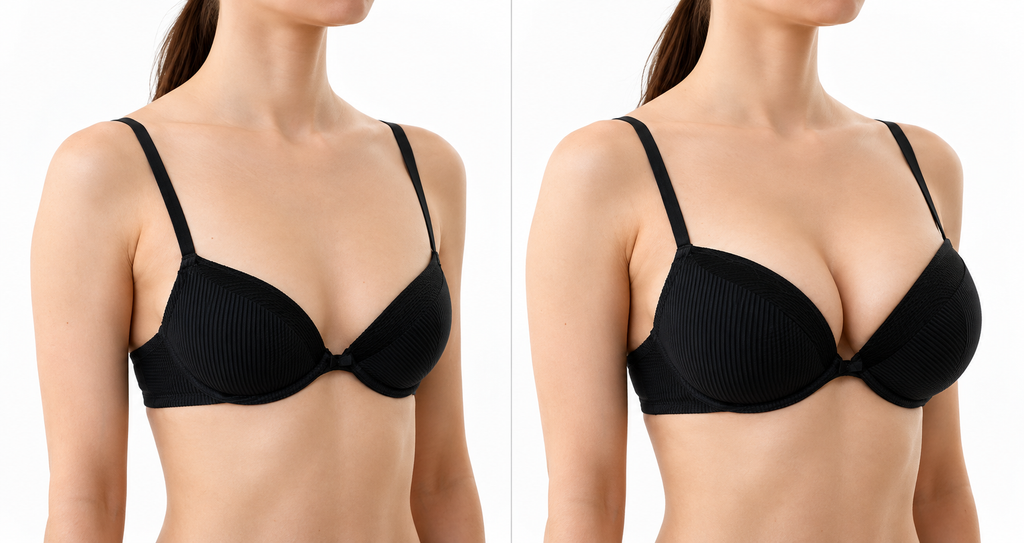
Alcuni pazienti desiderano una transizione più morbida dal torace al seno. Altri preferiscono una pienezza superiore più visibile.
Il posizionamento sotto il muscolo o in doppio piano può fornire una pendenza superiore graduale nei pazienti con tessuto sottile. Il posizionamento sopra il muscolo può talvolta creare una pienezza più diretta poiché il muscolo pettorale non preme sull'impianto.
Tuttavia, il solo posizionamento non determina se il risultato appare naturale. L'aspetto finale dipende anche da:
- Volume dell'impianto
- Profilo e larghezza dell'impianto
- Tessuto mammario naturale
- Resistenza della pelle
- Forma del torace
- Piega del seno
- Posizione del capezzolo
- Differenze tra i due lati
- La qualità della tasca dell'impianto
Un risultato dall'aspetto naturale deriva dall'abbinamento di tutti questi fattori piuttosto che dal seguire una singola regola di posizionamento.
Chirurgia Mammaria Precedente Può Modificare il Piano
I pazienti che sostituiscono protesi esistenti richiedono una valutazione diversa rispetto ai pazienti alla prima mastoplastica additiva.
Il chirurgo potrebbe dover valutare:
- La posizione attuale dell'impianto
- Tessuto cicatriziale esistente
- Contrattura capsulare
- Spessore del tessuto
- Movimento dell'impianto
- Asimmetria del seno
- Cambiamenti nel solco sottomammario
- Distensione della pelle
- Rottura o sgonfiamento dell'impianto
- Incisione e tasca precedenti
Durante sostituzione di protesi mammarie in Albania, la tasca esistente può essere adattata o cambiata in un altro strato di tessuto. Questa decisione dipende dal motivo della revisione e dalla condizione del tessuto rimanente.
Passare da sotto a sopra il muscolo, o viceversa, è possibile in casi selezionati. Non è automaticamente semplice e può richiedere il trattamento del tessuto cicatriziale, la riparazione della tasca, un sollevamento o un supporto interno aggiuntivo.
Allattamento al seno e sensibilità del capezzolo
La posizione dell'impianto è solo uno dei fattori che possono influenzare l'allattamento al seno e la sensibilità del seno.
Altri fattori importanti includono:
- Posizione dell'incisione
- Quantità di dissezione dei tessuti
- Chirurgia mammaria precedente
- Tessuto ghiandolare naturale
- Modifiche ai nervi o ai dotti lattiferi
- Risposta di guarigione
- Cambiamenti futuri legati alla gravidanza
Nessun chirurgo può garantire che l'allattamento al seno o la sensibilità del capezzolo rimangano inalterati. I pazienti che pianificano di avere una gravidanza dovrebbero discuterne prima dell'intervento.
La gravidanza può anche modificare il volume, la pelle e la posizione del seno, anche quando gli impianti rimangono intatti.
Mammografie e Monitoraggio degli Impianti
Gli impianti mammari non eliminano la necessità di normali controlli al seno. I pazienti dovrebbero informare il team di radiologia che hanno impianti quando organizzano una mammografia o un altro esame del seno.
Potrebbero essere necessarie viste speciali per mostrare più tessuto mammario naturale. Le raccomandazioni per lo screening dovrebbero basarsi su età, storia medica, tipo di impianto, sintomi e linee guida cliniche locali.
I pazienti dovrebbero anche conoscere il produttore e il modello dei loro impianti. Qualsiasi nuovo gonfiore, dolore, cambiamento di forma, nodulo o rigidità insolita dovrebbe essere valutato medicalmente.
Rischi della Chirurgia degli Impianti Mammari
Ogni operazione di impianto mammario comporta rischi, indipendentemente dalla posizione.
Le possibili complicazioni includono:
- Sanguinamento.
- Infezione.
- Ritardo nella guarigione della ferita
- Raccolta di liquidi
- Cambiamenti nella sensibilità del capezzolo o del seno
- Cicatrici visibili o allargate
- Movimento dell'impianto
- Asimmetria del seno
- Ondulazione
- Contrattura capsulare
- Rottura o sgonfiamento dell'impianto
- Cambiamenti nel solco sottomammario
- Deformità da animazione
- Disagio persistente
- Complicazioni legate all'anestesia
- Necessità di ulteriori interventi chirurgici
Gli impianti mammari non sono dispositivi a vita. Potrebbe essere necessario un intervento chirurgico futuro a causa di complicazioni, cambiamenti nei tessuti, danni agli impianti, gravidanza, invecchiamento, variazioni di peso o preferenze personali.
Recupero Dopo Impianti Sotto o Sopra il Muscolo
Le istruzioni per il recupero dipendono dalla tasca, dall'impianto, dall'incisione e dal fatto che sia stata eseguita un'altra procedura.
I pazienti possono ricevere indicazioni su:
- Uso del reggiseno chirurgico
- Posizione per dormire
- Doccia e cura delle ferite
- Medicazione
- Movimento delle braccia
- Guida
- Ritorno al lavoro
- Sollevamento di oggetti
- Esercizi per il torace
- Viaggiare in aereo
- Appuntamenti di follow-up
Gli esercizi per il torace potrebbero dover essere limitati più a lungo dopo il posizionamento sotto il muscolo. I pazienti dovrebbero seguire il calendario fornito dal loro team chirurgico invece di utilizzare un programma generico online.
I pazienti internazionali dovrebbero rimanere in Albania abbastanza a lungo per i controlli medici richiesti. La nostra guida a assistenza post-operatoria nel turismo medico spiega perché il follow-up e il viaggio di ritorno dovrebbero essere organizzati prima del trattamento.
Domande Frequenti
È Meglio Avere Impianti Mammari Sotto o Sopra il Muscolo?
Nessun posizionamento è migliore per ogni paziente. La decisione dipende dalla copertura tissutale, dal supporto cutaneo, dalle dimensioni dell'impianto, dall'attività muscolare del torace, dalla forma del seno esistente e dagli obiettivi estetici.
Il posizionamento sotto il muscolo è migliore per i pazienti magri?
Può fornire una copertura aggiuntiva dell'impianto superiore quando il tessuto naturale è limitato. Tuttavia, il piano completo deve anche considerare la dimensione dell'impianto, la resistenza della pelle, lo stile di vita e la possibilità di animazione muscolare.
Gli impianti sopra il muscolo possono sembrare naturali?
Sì, quando il paziente ha abbastanza tessuto naturale e l'impianto si adatta al seno e al torace. Una copertura sottile o un impianto eccessivamente grande può rendere i bordi e le ondulazioni più visibili.
Gli impianti sotto il muscolo si muovono sempre durante l'esercizio?
Non sempre. La quantità di movimento varia in base alla forza muscolare, al design della tasca, alla tecnica chirurgica e alla posizione dell'impianto.
Il posizionamento dell'impianto può correggere il seno cadente?
Il posizionamento da solo non può correggere un cedimento significativo o una posizione bassa del capezzolo. Potrebbe essere necessario un lifting del seno per rimuovere la pelle in eccesso e rimodellare il seno.
La tasca dell'impianto può essere modificata in seguito?
Potrebbe essere possibile durante un intervento di revisione. Il chirurgo deve valutare il tessuto cicatriziale, la qualità della pelle, la posizione dell'impianto esistente e se è necessaria una riparazione della tasca o un lifting del seno.
Trova il Posizionamento dell'Impianto Giusto per il Tuo Corpo ✨
Il posizionamento dell'impianto mammario dovrebbe essere scelto in base alla tua anatomia, non copiato da un altro paziente. Presso Medical Tourism in Albania, aiutiamo i pazienti internazionali a comprendere le loro opzioni e a organizzare ogni fase del trattamento a Tirana.
📸 Invia le tue foto per una valutazione iniziale gratuita
👨⚕️ Ricevi una raccomandazione personalizzata da un chirurgo esperto
📐 Esplora dimensioni, profili e opzioni di posizionamento degli impianti
✈️ Ottieni supporto per appuntamenti, alloggio e trasferimenti aeroportuali
📲 Rimani connesso durante il recupero e dopo il ritorno a casa
Pronto a discutere il tuo piano di aumento del seno?
👉 Contatta Medical Tourism in Albania oggi.
WhatsApp: +355 69 657 9999 or +355 69 625 1111
Telefono: +355 45 627 297
E-mail: info@medicaltourisminalbania.com

 Italian
  English
  Albanian
  Spanish
  German
  Greek
Greek  French
  Dutch
Dutch  Polish