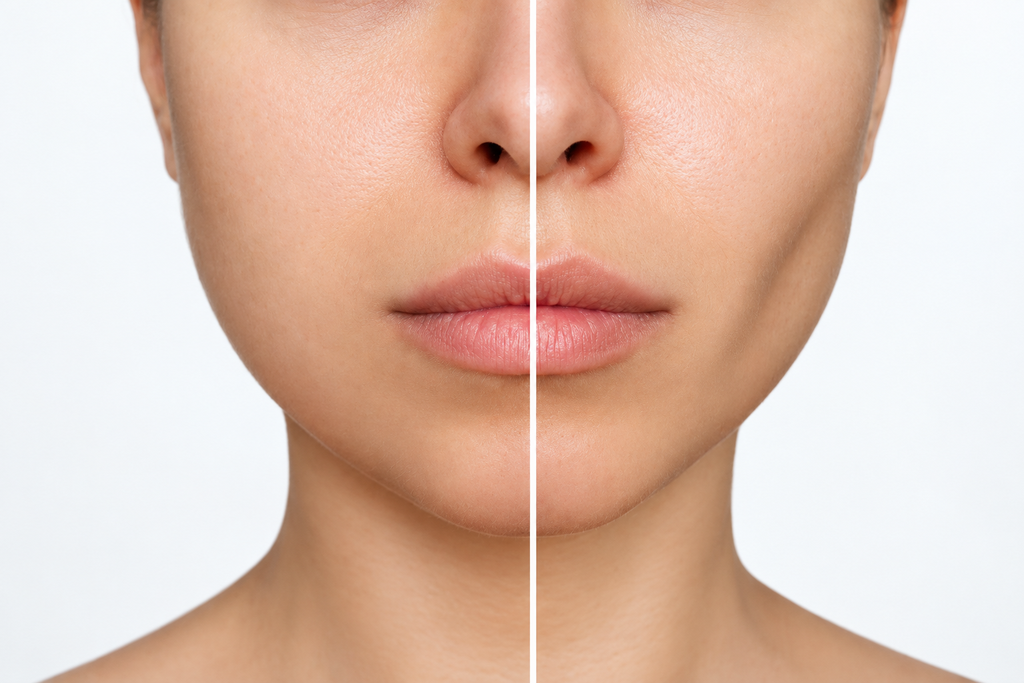
Usunięcie tłuszczu policzkowego może sprawić, że twarz wygląda starzej, gdy usunięto zbyt dużą ilość tłuszczu lub gdy pacjent ma już cienką lub wąską twarz. Jednak konserwatywne leczenie u odpowiedniego pacjenta może poprawić definicję policzków bez tworzenia nadmiernie zapadniętego wyglądu.
Długoterminowy rezultat zależy od struktury twarzy, jakości skóry, wieku, istniejącej objętości oraz tego, jak twarz ma się zmieniać z czasem.
Bezpośrednia odpowiedź: To zależy od pacjenta i planu chirurgicznego
Usunięcie tłuszczu policzkowego nie sprawia automatycznie, że każdy pacjent wygląda starzej. Problem zwykle pojawia się, gdy zabieg jest przeprowadzany u osoby, która nie ma wystarczającej objętości policzków, aby bezpiecznie je usunąć.
Może się to również zdarzyć, gdy usunięto zbyt dużą część tłuszczu policzkowego. Rezultat, który wygląda ostro zdefiniowany zaraz po operacji, może wydawać się bardziej zapadnięty, gdy naturalna objętość twarzy zmniejsza się z wiekiem.
Najbezpieczniejszym podejściem nie jest usunięcie jak największej ilości tłuszczu. Ważne jest, aby zdecydować, czy jakakolwiek redukcja poprawi proporcje twarzy pacjenta.
Czym jest poduszeczka tłuszczowa policzkowa?
Poduszeczka tłuszczowa policzkowa to głębsza warstwa tłuszczu zlokalizowana wewnątrz policzka. Znajduje się między mięśniami twarzy i przyczynia się do pełności w dolnej i środkowej części policzka.
Jej rozmiar naturalnie się różni. Niektórzy ludzie mają pełniejsze dolne policzki, nawet gdy są w zdrowej i stabilnej masie ciała.
Inni ludzie mają smukłą strukturę twarzy z ograniczoną objętością policzków. Usunięcie tłuszczu policzkowego u tych pacjentów może spowodować wyraźną zmianę, która nie pozostanie zrównoważona wraz z wiekiem.
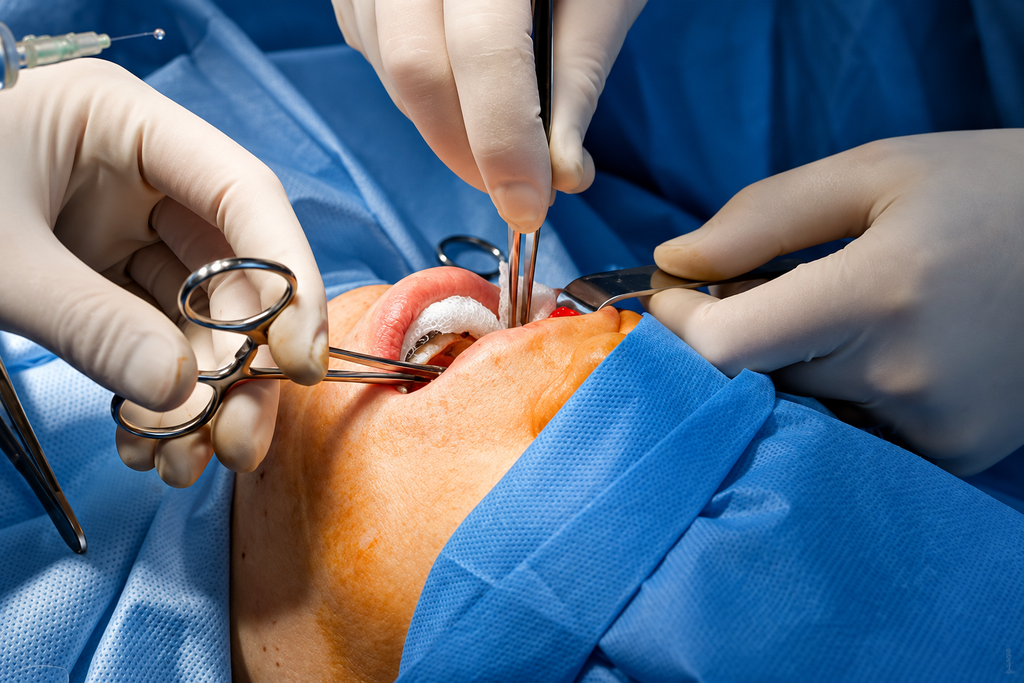
Podczas usuwanie tłuszczu policzkowego w Albanii, chirurg zazwyczaj dociera do poduszeczki tłuszczowej przez małe nacięcie wewnątrz ust. To unika widocznego nacięcia na zewnętrznej części policzka.
Dlaczego usunięcie tłuszczu może wpływać na to, jak staro wygląda twarz?
Młodzieńcza twarz zazwyczaj ma płynne przejścia między kośćmi policzkowymi, policzkami, ustami i linią żuchwy. Objętość pomaga wspierać te przejścia.
Starzenie się może stopniowo powodować:
- Zmniejszenie ilości tłuszczu na twarzy
- Zmiany w rozmieszczeniu tłuszczu
- Niższa elastyczność skóry
- Cieńsza skóra
- Zmniejszone wsparcie kostne
- Przemieszczenie tkanek twarzy
- Głębsze fałdy wokół ust
- Zwiększone cienie poniżej kości policzkowych
Jeśli duża ilość tłuszczu policzkowego została już usunięta, te naturalne zmiany mogą stać się bardziej widoczne. Policzki mogą wyglądać na zapadnięte, a przejście między kośćmi policzkowymi a dolną częścią twarzy może być bardziej wyraziste.
To nie oznacza, że każdy pacjent doświadczy przedwczesnego starzenia się. Oznacza to, że chirurg musi myśleć poza bezpośrednim wynikiem.
Kto może być odpowiednim kandydatem?
Usunięcie tłuszczu policzkowego można rozważyć, gdy pacjent ma uporczywą pełność dolnej części policzków, która nie zmienia się znacząco przy utracie wagi.
Odpowiedni kandydat może mieć:
- Naturalnie pełne lub zaokrąglone dolne policzki
- Stabilną masę ciała
- Dobra elastyczność skóry
- Wystarczającą objętość twarzy, aby wspierać konserwatywne zmniejszenie
- Wyraźną pełność policzków spowodowaną poduszką tłuszczową policzkową
- Realistyczne oczekiwania
- Dobry ogólny stan zdrowia
- Brak aktywnej infekcji w jamie ustnej
- Pełne zrozumienie, że zmiana jest długotrwała
Pacjenci powinni również rozumieć, że zabieg poprawia określony obszar. Nie może przeprojektować każdej części twarzy ani zagwarantować ostro zdefiniowanej linii żuchwy.
Kto może być bardziej narażony na wyglądanie starzej?
Niektóre typy twarzy wymagają szczególnej ostrożności. Usunięcie tłuszczu policzkowego może nie być zalecane, gdy policzki są już wąskie lub naturalnie zdefiniowane.
Ryzyko starszego lub zapadniętego wyglądu może być większe u pacjentów z:
- Naturalnie szczupłą twarzą
- Wysokimi, wyraźnymi kośćmi policzkowymi z niewielką objętością dolnych policzków
- Luźną lub cienką skórą twarzy
- Znaczną utratą objętości twarzy
- Częstymi zmianami masy ciała
- Bardzo niskim poziomem tkanki tłuszczowej
- Istniejącymi zagłębieniami poniżej kości policzkowych
- Silne cienie wokół ust
- Nierealistyczne oczekiwania oparte na edytowanych fotografiach
- Plany agresywnego usunięcia tłuszczu
Młodszy pacjent nie jest automatycznie chroniony przed tymi problemami. Twarz, która jest pełna w wieku 20 lat, może naturalnie tracić objętość w kolejnych dekadach.
Chirurg powinien rozważyć, jak wynik może się starzeć, a nie tylko jak będzie wyglądał w pierwszym roku.
Kształt twarzy zmienia wynik
Ta sama ilość usuniętego tłuszczu może dawać bardzo różne rezultaty na różnych twarzach.
Okrągłe twarze
Pacjenci z okrągłymi twarzami mogą skorzystać, gdy pełnia jest skoncentrowana w dolnych partiach policzków. Konserwatywne zmniejszenie może stworzyć wyraźniejsze przejście poniżej kości policzkowych.
Jednak okrągła twarz może być również spowodowana strukturą kości lub mięśniami żuchwy. Usunięcie tłuszczu policzkowego nie zmieni tych obszarów.
Twarze kwadratowe
Kwadratowy wygląd często wynika z budowy kości szczęki lub silnych mięśni żwaczy. Usunięcie tłuszczu policzkowego może zmniejszyć pełność policzków, ale nie zwęzi samej szczęki.
Chirurg powinien zidentyfikować, która część tworzy szerokość, zanim zaleci leczenie.
Twarze długie lub wąskie
Usunięcie tłuszczu policzkowego często jest mniej odpowiednie dla długiej lub wąskiej twarzy. Dodatkowe zagłębienie może sprawić, że twarz będzie wyglądać na dłuższą, cieńszą lub bardziej dojrzałą.
Tacy pacjenci mogą bardziej skorzystać na zachowaniu objętości niż na jej usuwaniu.
Twarze w kształcie serca
Twarz w kształcie serca zazwyczaj ma szersze kości policzkowe i węższy podbródek. Usunięcie zbyt dużej ilości objętości poniżej kości policzkowych może sprawić, że górna i dolna część twarzy będą wyglądać mniej spójnie.
Czasami można rozważyć subtelne zmniejszenie, ale kluczowe jest ostrożne planowanie.
Czy usunięty tłuszcz policzkowy może odrosnąć?
Usunięta część poduszki tłuszczowej policzka zazwyczaj nie regeneruje się w ten sam sposób. To sprawia, że zmiana strukturalna jest długotrwała.
Przyrost masy ciała może zwiększyć pełność w innych obszarach tłuszczowych twarzy, ale nie odtwarza niezawodnie usuniętego tłuszczu policzkowego. Utrata wagi może sprawić, że rezultat będzie wyglądał na jeszcze bardziej zdefiniowany lub zapadnięty.
Pacjenci powinni zatem osiągnąć stabilną, utrzymywalną wagę przed operacją. Zabieg nie powinien być stosowany jako substytut ogólnego zarządzania wagą.
Czy objętość twarzy można przywrócić później?
Kiedy u pacjenta rozwija się niepożądana zapadniętość, czasami można rozważyć przywrócenie objętości. Leczenie zależy od lokalizacji, jakości skóry, pozostałej tkanki i nasilenia problemu.
Opcje mogą obejmować starannie zaplanowane wypełniacze lub przeszczep tłuszczu na twarzy w Albanii. Przeszczep tłuszczu wykorzystuje przetworzony tłuszcz pobrany z innej części ciała pacjenta.
Przywrócenie nie zawsze jest proste. Przeszczepiony tłuszcz może nie pozostać w dokładnie tej samej ilości, a zastąpienie głębokiej objętości policzków nie gwarantuje, że oryginalna anatomia zostanie odtworzona.
To kolejny powód, dla którego pierwsza procedura powinna być starannie zaplanowana.
Usuwanie tłuszczu policzkowego a liposukcja twarzy
Usuwanie tłuszczu policzkowego i liposukcja twarzy to nie są te same operacje.
Tłuszcz policzkowy znajduje się głęboko wewnątrz policzka i jest usuwany przez usta. Liposukcja twarzy lub podbródka usuwa bardziej powierzchowny tłuszcz przez małe zewnętrzne punkty dostępu.
| Procedura | Główny obszar leczenia | Typowy cel |
| Usuwanie tłuszczu z policzków | Głęboki tłuszcz dolnych policzków | Zmniejszenie pełności wewnętrznej części policzków |
| Liposukcja podbródka | Tłuszcz pod podbródkiem | Poprawa przejścia między szyją a linią żuchwy |
| Przeszczep tłuszczu z twarzy | Obszary z utraconą objętością | Przywrócenie wybranej pełności |
| Lifting twarzy | Luźne lub obniżone tkanki twarzy | Przemieszczenie tkanek i poprawa konturu skóry |
Leczenie właściwej warstwy jest kluczowe. Pacjent, który chce mieć mocniejszą linię żuchwy, może potrzebować innego zabiegu niż ktoś z pełnymi wewnętrznymi policzkami.
Pacjenci mogą zapoznać się z pełnym zakresem zabiegów na twarz i oczy w Albanii przed złożeniem indywidualnej rekomendacji.
Co się dzieje podczas usuwania tłuszczu policzkowego?
Procedura zazwyczaj rozpoczyna się od oznaczeń i ostatecznego przeglądu proporcji twarzy. Chirurg porównuje oba policzki i potwierdza, jaka redukcja jest odpowiednia.
Znieczulenie jest stosowane zgodnie z planem leczenia. W każdym policzku wykonuje się małe nacięcie, co umożliwia kontrolowany dostęp do poduszki tłuszczowej policzka.
Chirurg delikatnie naciska z zewnątrz twarzy, aby część poduszki tłuszczowej stała się widoczna przez nacięcie. Usuwana jest tylko zaplanowana ilość.
Nacięcia są następnie zamykane wewnątrz jamy ustnej. Ponieważ punkt dostępu jest wewnętrzny, procedura zazwyczaj nie powoduje blizny na zewnętrznej stronie policzka.
Dokładna technika, znieczulenie i czas trwania zabiegu zależą od pacjenta oraz od tego, czy wykonywana jest inna procedura.
Rekonwalescencja Może Tymczasowo Ukrywać Wynik
Po usunięciu tłuszczu z policzków oczekiwane jest opuchnięcie. Początkowo policzki mogą wydawać się pełniejsze, a nie szczuplejsze.
Ten wczesny wygląd nie powinien być mylony z ostatecznym wynikiem. Opuchlizna może również różnie wpływać na obie strony.
Pacjenci mogą otrzymać instrukcje dotyczące:
- Higiena jamy ustnej
- Przepisany płyn do płukania ust
- Leki
- Miękkie pokarmy
- Nawodnienie
- Spanie z uniesioną głową
- Unikanie palenia i nikotyny
- Ograniczenie intensywnych ćwiczeń
- Uczestniczenie w wizytach kontrolnych
- Obserwowanie objawów infekcji
Nowy kontur staje się bardziej widoczny wraz ze zmniejszaniem się obrzęku. Ostateczne dopracowanie może zająć kilka miesięcy.
Pacjenci nie powinni oceniać wyniku zbyt wcześnie ani próbować szybko schudnąć, aby policzki wydawały się cieńsze.
Ryzyka, które należy omówić
Usunięcie tłuszczu policzkowego to zabieg chirurgiczny, który niesie ze sobą potencjalne komplikacje.
Możliwe ryzyka obejmują:
- Krwawienie
- Infekcja
- Opóźnione gojenie
- Zbieranie się płynu
- Przedłużający się obrzęk
- Asymetria twarzy
- Nadmierne zapadnięcie
- Uszkodzenie pobliskich nerwów
- Uszkodzenie przewodu ślinowego
- Zmiany w odczuwaniu twarzy
- Niezadowalający kontur
- Konieczność leczenia korygującego
Wybór doświadczonego chirurga twarzy jest ważny, ponieważ poduszeczka tłuszczowa policzkowa znajduje się blisko kilku wrażliwych struktur. Konsultacja powinna wyjaśnić, jak te ryzyka odnoszą się do anatomii pacjenta.
Żaden chirurg nie powinien gwarantować idealnej symetrii ani obiecywać, że twarz zachowa ten sam wygląd przez całe życie.

Planowanie usunięcia tłuszczu policzkowego w Albanii
Pacjenci międzynarodowi mogą rozpocząć od internetowej oceny twarzy. Wyraźne, nieprzefiltrowane fotografie pozwalają zespołowi medycznemu na zbadanie policzków w odniesieniu do kości policzkowych, podbródka, linii żuchwy i całej twarzy.
Przydatne fotografie obejmują:
- Zrelaksowany widok z przodu
- Oba widoki z boku
- Oba widoki z trzech czwartych
- Fotografia podczas uśmiechu
- Fotografia pokazująca linię żuchwy i szyję
- Starsze fotografie pokazujące, jak zmieniła się objętość twarzy
Pacjenci powinni również podzielić się informacjami na temat wcześniejszych wypełniaczy, operacji twarzy, zmian wagi, zabiegów dentystycznych, schorzeń, przyjmowanych leków oraz palenia papierosów.
Ocena online dostarcza wstępnej rekomendacji. Ostateczny plan jest potwierdzany po osobistym badaniu w Tiranie.
Turystyka medyczna w Albanii może również pomóc w koordynacji wizyt, zakwaterowania, transferów z lotniska oraz wsparcia we wczesnym okresie rekonwalescencji. Opieka pooperacyjna powinna być zorganizowana przed zarezerwowaniem przez pacjenta lotu powrotnego.
Dowiedz się, czy usunięcie tłuszczu z policzków jest dla Ciebie odpowiednie ✨
Najlepszy wynik usunięcia tłuszczu z policzków to nie najcieńsza możliwa twarz. To kontrolowana poprawa, która szanuje Twoje kości policzkowe, skórę, linię żuchwy, wiek i przyszłe zmiany twarzy.
W Medical Tourism in Albania Twoje leczenie rozpoczyna się od pełnej oceny twarzy, a nie od standardowego pakietu.
📸 Wyślij wyraźne zdjęcia do bezpłatnej wstępnej oceny
👨⚕️ Otrzymaj spersonalizowaną ocenę od doświadczonego chirurga
🪞 Dowiedz się, czy pełność policzków pochodzi z tłuszczu policzkowego czy innego obszaru
✈️ Uzyskaj wsparcie w zakresie wizyt, zakwaterowania i transferów z lotniska
📲 Pozostań w kontakcie podczas rekonwalescencji i po powrocie do domu
Rozpocznij swoją konsultację już dziś:
WhatsApp +355 69 657 9999 lub +355 69 625 1111
Telefon: +355 45 627 297
E-mail: info@medicaltourisminalbania.com
👉 Skontaktuj się z Medical Tourism in Albania i otrzymaj plan konturowania twarzy zaprojektowany dla naturalnej definicji dziś i lepszej równowagi w przyszłości.

 Polish
  English
  Italian
  Albanian
  Spanish
  German
  Greek
Greek  French
  Dutch
Dutch