
The three most popular plastic surgeries worldwide are eyelid surgery, liposuction, and breast augmentation, according to the latest international survey. If you are considering plastic surgery in Albania, understanding what each procedure can achieve is a useful starting point for choosing a treatment that suits you.
Which Are The Most Popular Plastic Surgeries Worldwide?
The International Society of Aesthetic Plastic Surgery (ISAPS) ranked eyelid surgery first, liposuction second, and breast augmentation third in its 2025 Global Survey, released in September 2026. The ranking of popular plastic surgeries reflects estimated procedures performed by plastic surgeons internationally, not a count of operations performed specifically in Albania.
These three popular plastic surgeries address very different goals: changes around the eyes, localized body contouring, and breast volume. Their popularity shows what many patients seek, but it does not establish which operation is best for an individual or whether surgery is necessary.
1. Eyelid Surgery (Blepharoplasty): The Most Popular Procedure
Eyelid surgery, medically called blepharoplasty, reshapes the upper eyelids, lower eyelids, or both by addressing selected areas of excess skin and fat. Patients commonly consider it when drooping upper lids, persistent under-eye bags, or changes around the eyes make them appear more tired than they feel.
What Can Eyelid Surgery Improve?
Upper blepharoplasty typically focuses on redundant skin that creates heavy-looking upper lids. In some patients, the excess skin also interferes with the upper or outer visual field, although any suspected vision problem requires an appropriate medical assessment.
Lower blepharoplasty focuses on under-eye fullness, loose skin, or contour changes caused partly by displaced or prominent fat. The surgeon may remove or reposition tissue, depending on eyelid anatomy and the desired outcome.
Blepharoplasty does not correct every concern around the eyes. Dark circles caused by pigmentation, hollow tear troughs, eyebrow descent, and true eyelid ptosis may need a different assessment or treatment.
Who Might Be A Suitable Candidate?
Good candidates generally have a specific eyelid concern, realistic expectations, and health that permits elective surgery. During evaluation, the surgeon should examine eyelid position, skin quality, eye closure, and the relationship between the eyelids and eyebrows.
Dry eye symptoms, thyroid-related eye problems, previous eye surgery, and certain medications can affect surgical planning. Tell the surgeon about contact lenses, vision changes, and any previous treatment around your eyes before deciding whether to proceed.
What Should You Expect During Recovery?
Swelling, bruising, temporary tightness, and mild irritation are common during the early recovery period. Patients may be advised to use prescribed eye care, avoid rubbing the area, and limit strenuous activity while tissues heal.
Incisions are commonly positioned within natural eyelid creases or other carefully selected areas, but visible scars remain possible. The full appearance develops gradually as swelling settles, and a surgeon should explain when you can safely resume work, exercise, makeup, and travel.
Blepharoplasty carries risks, including infection, bleeding, dry eyes, asymmetry, difficulty closing the eyelids, and rarely serious vision complications. Our eyelid surgery in Albania page explains the treatment options that prospective patients can discuss during consultation.
2. Liposuction: Popular For Targeted Body Contouring
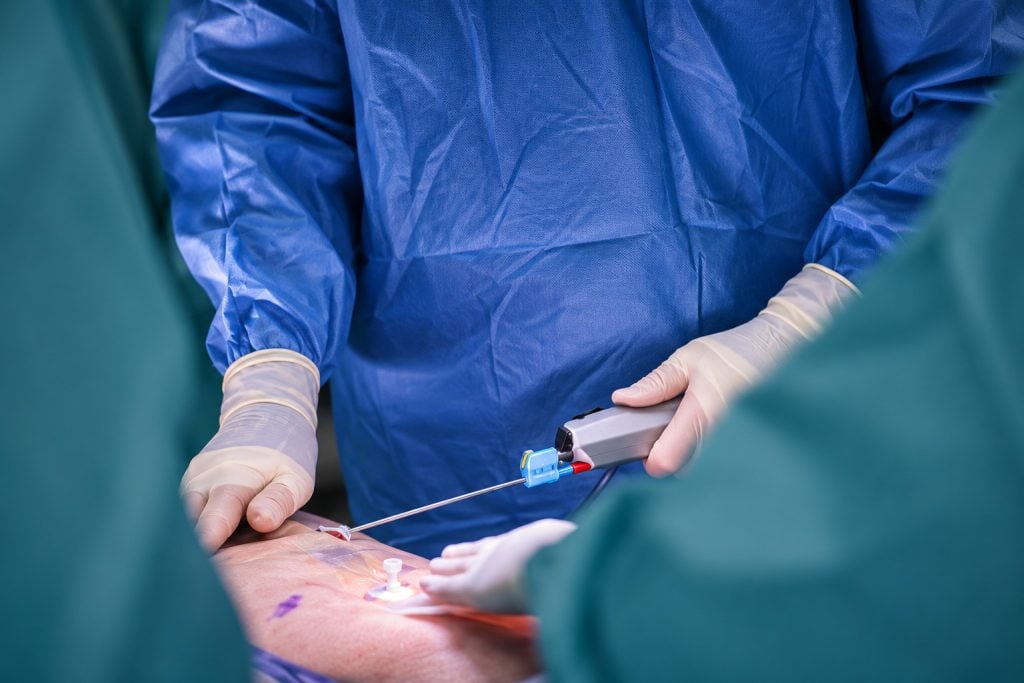
Liposuction removes selected deposits of fat through small incisions using a narrow suction instrument called a cannula. It can help refine contours in areas such as the abdomen, waist, hips, thighs, arms, or beneath the chin when fat distribution remains a concern despite stable habits.
What Liposuction Can And Cannot Do
The purpose of liposuction is to change body shape rather than produce major weight loss. It is usually more appropriate for localized fat deposits than for treating obesity, substantial loose skin, or weakened abdominal muscles.
Skin elasticity matters because the skin must adapt to the smaller volume beneath it. If significant loose skin is present after pregnancy or weight loss, a different operation, such as a tummy tuck, may address the concern more effectively.
Liposuction also does not reliably eliminate cellulite or stretch marks. Your surgeon should identify the underlying cause.
How Is Liposuction Planned?
The surgeon assesses the areas being considered, overall health, skin elasticity, and realistic limits on fat removal. Depending on the plan, techniques may involve fluid infiltration, suction, or assisted equipment, but a newer technique is not automatically better for every patient.
Your medical history, previous operations, smoking status, and risk of blood clots are important parts of the assessment. The extent of treatment also affects anesthesia decisions, monitoring needs, and the time required before traveling safely.
For patients comparing approaches, our liposuction treatment page provides more information about the procedure and consultation process. It is worth discussing the proposed technique and surgeon’s experience rather than choosing based on marketing terms alone.
How Long Does Recovery Take?
Bruising, soreness, swelling, and temporary changes in sensation may occur after liposuction. A compression garment is often recommended, while the timing of walking, returning to work, and exercising depends on the extent of surgery and your surgeon’s instructions.
Visible contours generally evolve over weeks and months as swelling resolves. Remaining fat cells can still enlarge with future weight gain, so maintaining a stable weight helps preserve the change in shape.
Possible complications include contour irregularities, fluid collections, infection, blood clots, anesthesia-related problems, and, rarely, serious internal injury. Anyone considering multiple treatment areas should ask how the surgical team manages these risks and sets safe limits.
3. Breast Augmentation: A Leading Choice For Breast Volume
Breast augmentation aims to increase breast volume or adjust proportions, most commonly using implants and, in selected circumstances, fat transfer. Patients may consider it because of naturally smaller breasts, asymmetry, or changes in volume following pregnancy or weight changes.
What Decisions Shape The Result?
Planning is more detailed than selecting a cup size. The surgeon evaluates chest width, existing breast tissue, skin elasticity, symmetry, and the position of the nipples before recommending an approach.
With implants, choices can include implant size, shape, filling, surgical incision, and placement relative to the chest muscle. These decisions influence appearance, recovery, and possible complications, so photographs of other patients cannot guarantee the same result for you.
Is Augmentation The Same As A Breast Lift?
No, breast augmentation mainly changes volume, while a breast lift repositions existing tissue and can address significant sagging. Some patients need a lift, augmentation, or a carefully assessed combination, depending on their anatomy and expectations.
Adding volume alone may not correct low nipple position or considerable skin laxity. A surgeon should explain when placing a larger implant would create unnecessary weight without solving the original concern.
Our breast augmentation in Albania page introduces the treatment and the information discussed during a personalized consultation. Patients should ask which options are appropriate for their anatomy rather than deciding solely from a desired size.
Recovery, Implant Care, And Risks
Early recovery may involve swelling, chest tightness, limited arm movement, and discomfort that gradually improves. The surgical team should give clear guidance about supportive garments, incision care, lifting restrictions, work, exercise, and follow-up appointments.
Breast implants are not lifetime devices, and some patients require future imaging, replacement, or removal. Implant-related complications can include rupture, capsular contracture, altered sensation, infection, and other recognized risks that must be discussed during informed consent.
It is also important to ask about rare implant-associated conditions, including breast implant-associated anaplastic large cell lymphoma (BIA-ALCL), and how the specific implant type affects risk. Breast screening and routine breast-health care remain important after augmentation.

How Do The Top Three Popular Plastic Surgeries Compare?
Although these procedures lead global rankings, they are not interchangeable. A useful comparison starts with the body area, the actual change the operation makes, and the limitation most relevant to expectations.
| Procedure | Main Goal | Important Limitation |
|---|---|---|
| Eyelid surgery | Address excess eyelid skin or fat | Does not correct every type of dark circle or eyelid droop |
| Liposuction | Refine areas with localized fat | Does not replace weight loss or remove significant loose skin |
| Breast augmentation | Increase or adjust breast volume | Does not reliably lift significantly sagging tissue |
Other Popular Plastic Surgeries: Rhinoplasty, Tummy Tucks, And Breast Lifts
Rhinoplasty remains a widely requested procedure, even though it is outside the global top three in the latest ISAPS overall ranking. It changes selected nasal structures for appearance, breathing-related concerns, or both, and requires careful discussion of facial proportions and airway function.
If your main goal concerns nose shape rather than the eyelids, rhinoplasty in Albania may be a more relevant starting point. Rankings of popular plastic surgeries should never lead someone toward a procedure that does not address their own concern.
Similarly, a tummy tuck can remove excess abdominal skin and, when indicated, address separated abdominal muscles that liposuction does not repair. Breast lifts focus on breast position, showing why a treatment’s popularity is less useful than its suitability for the change you actually want.
Why Do International Patients Explore Plastic Surgery In Albania?
Albania attracts interest from people comparing popular plastic surgeries and other cosmetic treatment options abroad, including patients traveling from Italy and other European countries. Travel distance, overall arrangements, availability of consultations, and individual treatment quotations can all influence the decision, but safety should remain the first priority.
At Medical Tourism in Albania, our role is to help patients request information about popular plastic surgeries and explore available medical services. The next step should be a consultation with the operating surgeon, including discussion of professional qualifications, the facility, anesthesia, and postoperative care.
Travel planning matters because surgery is not complete when you leave the operating room. Patients need time for early assessment, a recovery schedule, and a plan for complications or follow-up after returning home.
Our guide to the medical tourism process from consultation onward can help you prepare practical questions before booking. Never schedule a return flight solely around an advertised recovery estimate without your surgeon’s advice.
What Should You Ask Before Choosing A Surgeon?
For any of the popular plastic surgeries, a good consultation should establish what change you want, whether surgery can realistically achieve it, and which alternatives deserve consideration. Ask for a clear explanation of the proposed technique, scars, expected recovery, possible complications, and what happens if the result is different from what you hoped. Useful questions include:
- What are your specialist qualifications and experience with this exact procedure?
- Where will the operation take place, and who provides anesthesia?
- What medical checks are needed before the surgery?
- Which complications are most relevant to my personal health history?
- How many follow-up visits are expected before I return home?
- Who should I contact if I develop a problem after traveling?
Frequently Asked Questions About Popular Plastic Surgeries
Do The Most Popular Plastic Surgeries Have The Lowest Risk?
No, the volume of popular plastic surgeries does not measure safety for an individual patient. Risk depends on the operation, your medical history, the facility, and the surgical team’s expertise.
Can I Have Two Cosmetic Procedures During One Operation?
Some operations can be combined, but doing so may increase surgical time and recovery demands. The surgeon must assess whether a combined plan is appropriate or whether separate operations would be safer.
Is There A Best Age For Plastic Surgery?
There is no single ideal age for all cosmetic procedures. Physical maturity, medical fitness, personal motivation, and the specific treatment matter more than a trend among a particular age group.
Can A Virtual Consultation Confirm That I Am Eligible?
A remote conversation can clarify goals and help identify the information a surgeon needs. Final suitability may require an in-person examination, medical tests, and a discussion of risks before treatment is confirmed.
What If I Change My Mind Before Surgery?
Elective plastic surgery should remain your personal choice throughout the decision process. Ask about consent, cancellation terms, and any financial commitments before booking, and do not proceed unless you feel properly informed.
✨ Explore The Right Procedure For Your Goals
Not sure which of the popular plastic surgeries, such as eyelid surgery, liposuction, or breast augmentation, fits the change you have in mind? Contact Medical Tourism in Albania to discuss the relevant treatment information, consultation steps, and questions to raise with a qualified surgeon before planning your trip.
- 📧 Email: info@medicaltourisminalbania.com
- 📞 Phone: +355 45 627 297
- 🌐 Contact: Request a consultation

 English
 Italian
 Albanian
 Spanish
 German
 Greek
 French
 Dutch
 Polish