We offer the most competitive prices for:

Septoplasty in Albania – Septoplasty Surgery

Are you looking for an effective solution for breathing difficulties or a deviated septum? Septoplasty in Albania offers a modern, safe, and minimally invasive treatment to improve nasal function. By combining advanced technology with surgical expertise, you benefit from a precise procedure, fast recovery, and long-lasting results.

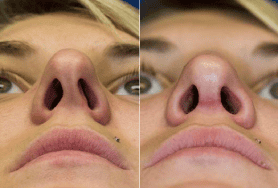
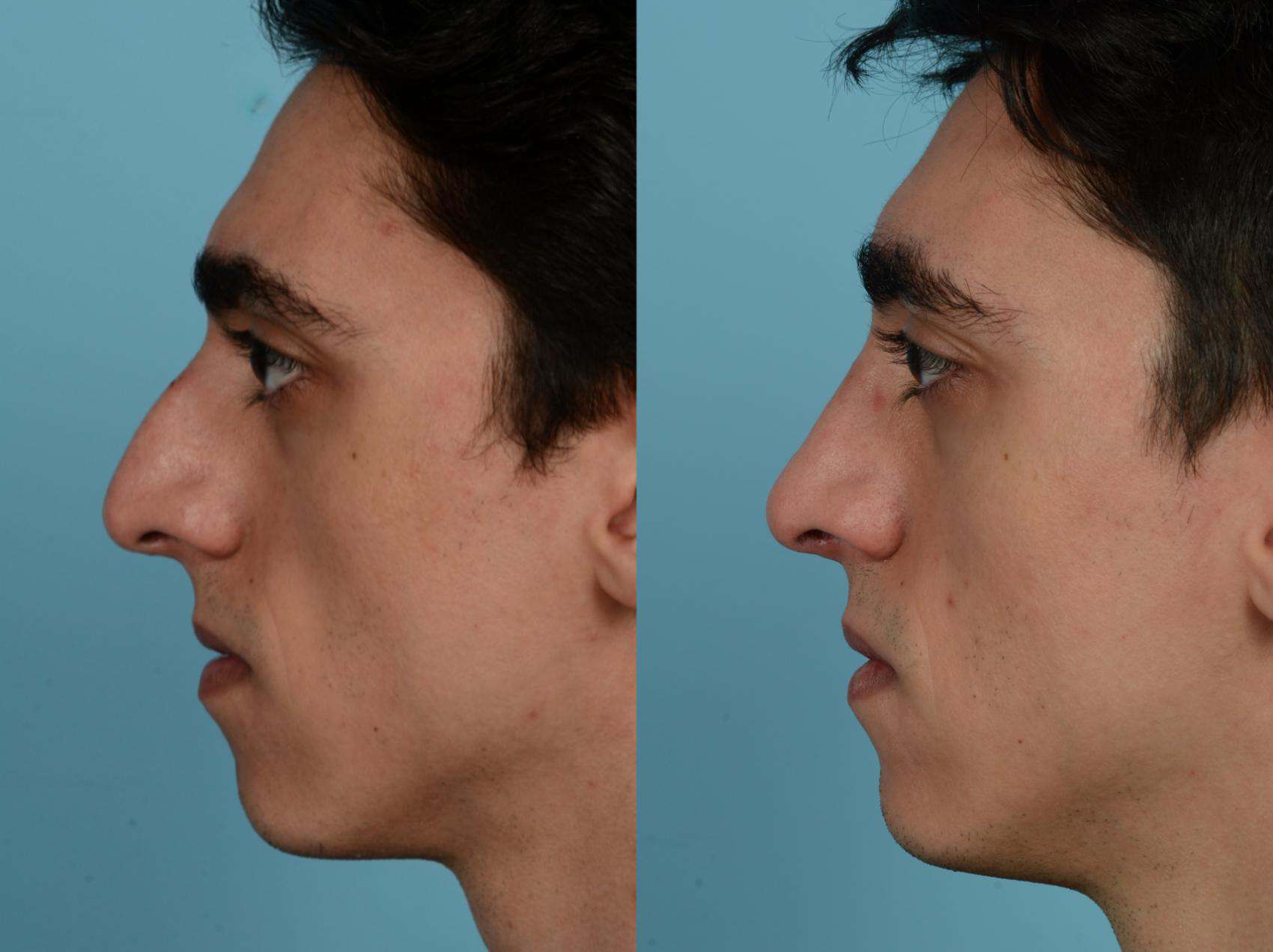
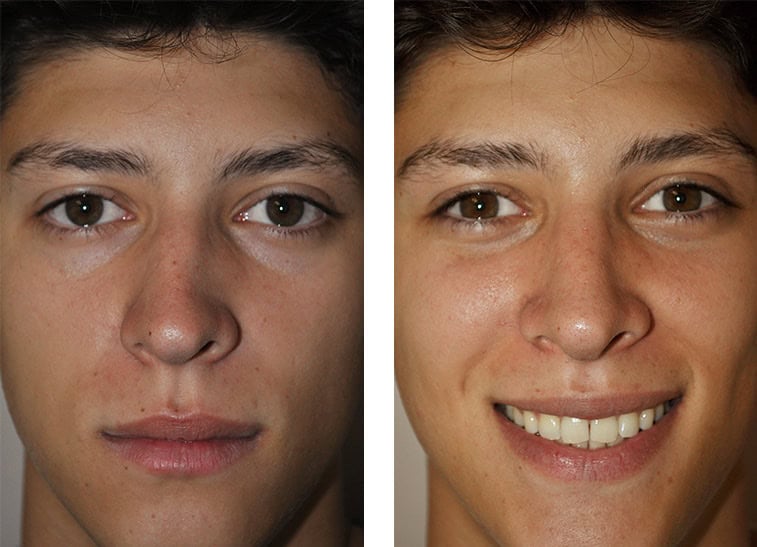
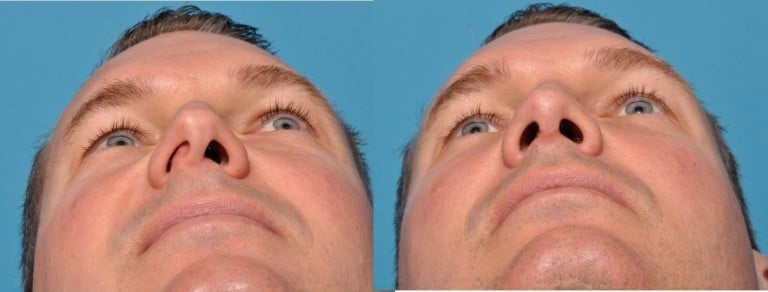
Nasal septoplasty results showing improved nasal symmetry and breathing.
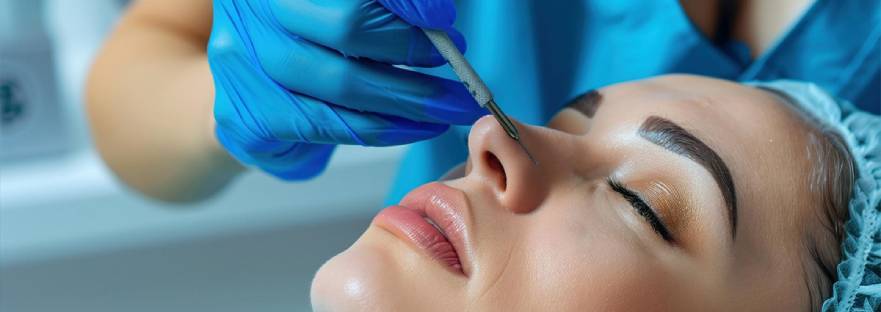
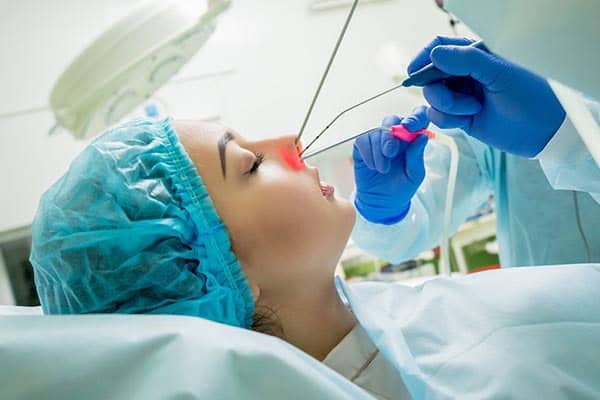
Woman undergoing septoplasty surgery for nasal correction in Albania.

SKIP THE WAITING ROOM!

Get a free quote and evaluation online. It takes 10 seconds!

You can fill out the form for a free quote in just 10 seconds and we’ll get back before you know it! 

Septoplasty- The most common nasal surgical procedure.

Septoplasty is one of the most commonly performed procedures in ENT clinics in Albania. It is carried out to correct a deviated nasal septum and to treat obstructions of the nasal airways. This condition can significantly affect breathing, often leading to symptoms such as chronic nasal congestion, difficulty breathing through the nose, frequent sinus infections, snoring, or sleep disturbances.

The procedure focuses on improving nasal airflow by straightening or reshaping the septum, thereby restoring proper nasal function.

Who undergoes septoplasty?

Studies indicate that approximately 70% of patients are male, and the average age of individuals undergoing septoplasty is between 35 and 40 years.

Septoplasty outcomes

Results can vary considerably. Some studies report patient satisfaction rates below 50%, while others show satisfaction levels approaching 90%. This variation highlights the importance of careful patient evaluation and the identification of factors that may influence surgical success.

Why Choose Albania for Your Septoplasty?

Albania has become an increasingly attractive destination for medical procedures, including septoplasty. Here’s why undergoing septoplasty in Albania is a choice many patients confidently make:
  • Experienced ENT Specialists: Procedures are performed by highly trained surgeons with extensive experience in nasal and functional airway surgery.

    Modern Medical Facilities: Clinics and hospitals are equipped with advanced technology, ensuring precision, safety, and high clinical standards.

    Cost-Effective Treatment: Patients benefit from competitive pricing while receiving high-quality medical care.

    Comprehensive Patient Experience: From consultation to post-operative follow-up, the focus remains on patient comfort, safety, and continuity of care.

    Personalized Treatment Approach: Each procedure is carefully planned according to the patient’s anatomy, symptoms, and functional needs, maximizing both medical and functional outcomes.


The Advanced Technique Behind Septoplasty

At the core of a successful septoplasty lies precision, surgical expertise, and a carefully structured treatment approach. Here is a closer look at how the procedure typically unfolds:

Comprehensive Consultation and Evaluation

Before surgery, the ENT specialist performs a detailed assessment of your nasal structure, symptoms, and medical history. This evaluation may include a physical examination and, when necessary, imaging studies. The goal is to clearly identify the degree of septal deviation and determine whether septoplasty is the most appropriate solution for improving nasal airflow.

Precise Surgical Correction

Septoplasty focuses on correcting the deviated nasal septum. During the procedure, the surgeon carefully reshapes, repositions, or removes the portions of cartilage and bone causing the obstruction. Modern surgical techniques emphasize accuracy and tissue preservation, helping to improve breathing while minimizing trauma to surrounding structures.

Functional Restoration of Nasal Airflow

The primary objective of septoplasty is to restore proper nasal function. By straightening the septum, the procedure allows air to pass more freely through the nasal passages, often reducing symptoms such as chronic congestion, breathing difficulties, and recurrent sinus problems.

Post-Operative Care and Recovery

Proper aftercare plays a crucial role in achieving optimal results. Patients receive detailed recovery guidelines, including instructions for nasal hygiene and activity limitations. Follow-up evaluations ensure that healing progresses as expected and that nasal function continues to improve over time.

Benefits of Choosing Septoplasty

Opting for septoplasty in Albania offers numerous advantages:

Improved Nasal Breathing

By correcting the structural deviation of the septum, the procedure allows air to flow more freely through the nasal passages, reducing chronic obstruction and congestion.

Reduction of Associated Symptoms

Many patients experience relief from issues linked to septal deviation, including recurrent sinus infections, frequent mouth breathing, snoring, and sleep disturbances.
Long-Term Functional Improvement

Septoplasty addresses the underlying anatomical cause rather than temporarily managing symptoms, providing durable and lasting results.

Enhanced Daily Comfort

Improved airflow can positively impact sleep quality, physical activity, and overall breathing comfort throughout the day.

Minimal Scarring
Unlike more invasive nasal procedures, septoplasty is performed using techniques focused on precision and tissue preservation. This approach helps minimize visible scarring while supporting a smoother healing process and optimal functional results.

Who Can Benefit from Septoplasty?

Septoplasty is suitable for individuals experiencing breathing difficulties caused by a deviated nasal septum. Whether symptoms are mild or more pronounced, the procedure can provide meaningful functional improvement. 

Ideal Candidates

Individuals with a Deviated Nasal Septum: Patients with structural septal deviation that interferes with normal airflow.
Patients with Chronic Nasal Obstruction: Those experiencing persistent nasal congestion or difficulty breathing through the nose.
Individuals with Recurrent Sinus Issues: Patients whose septal deviation contributes to repeated sinus infections or pressure.
Patients Seeking Functional Breathing Improvement: Those aiming to restore normal nasal airflow and comfort.

How is septoplasty performed?

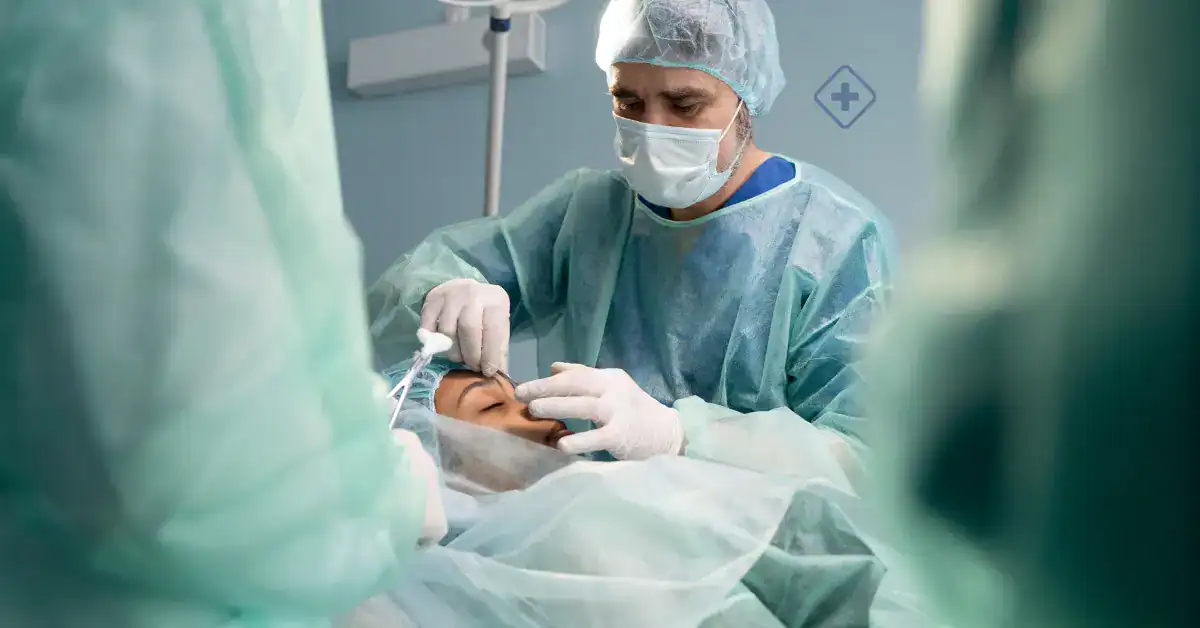
Septoplasty is typically performed as an outpatient procedure and is most commonly carried out in surgical centers under general anesthesia. The operation is conducted by a medical team that may include an anesthesiologist, surgical nurses, and supporting clinical staff.

The procedure usually lasts between 30 and 60 minutes and generally does not require external incisions. The surgeon makes an incision inside the nose and carefully reshapes or removes the portions of cartilage and bone responsible for the septal deviation in order to improve breathing. A portion of the septal structure is preserved to maintain the natural shape of the nose.

Following the procedure, nasal splints may be placed to support the septum during the healing phase. These are typically removed after 3–5 days during a follow-up visit at the clinic.

What to expect after septoplasty?

After septoplasty, it is normal to experience certain aspects of the recovery process. Patients typically remain in the recovery room for approximately 30 minutes, or longer if additional procedures were performed. Once fully stabilized, visits from family members are usually permitted. It is important to arrange for a responsible adult to drive you home and stay with you during the first night after surgery.

Recovery at home generally follows simple guidelines. Patients can usually resume a normal diet. Sleeping with the head elevated at approximately a 45-degree angle, or resting in a reclined chair, is commonly recommended to help reduce swelling. Applying a cold compress or ice pack over the nasal area may also help minimize discomfort and inflammation.

Mild bleeding or slight blood staining on the dressing during the first 1–2 days is considered normal. Patients are often advised to sneeze with the mouth open to reduce pressure within the nasal passages and support proper healing.


Need something else?

We cover all modern face & eyes cosmetic treatments in Albania.

Septoplasty is a relatively quick procedure. In most cases, the surgery lasts between 30 and 60 minutes, depending on the complexity of the septal deviation and whether additional corrections are required.

Septoplasty is performed under anesthesia, so patients do not feel pain during the procedure. After surgery, mild discomfort, nasal congestion, or pressure is normal, but these symptoms are typically manageable with prescribed medication and gradually improve during the recovery period.

Many patients begin to notice an improvement in breathing once the initial swelling subsides, typically within a few weeks. Final functional results become more apparent as healing progresses, usually over several weeks to a few months.

A proper evaluation by an ENT specialist is necessary to determine candidacy. The doctor will assess your nasal structure, symptoms, and medical history to identify whether a deviated septum or other structural issues are contributing to your breathing difficulties.

After septoplasty, patients are typically advised to follow simple recovery guidelines, which may include keeping the head elevated, avoiding strenuous activities, maintaining proper nasal hygiene, and attending follow-up visits to monitor healing. Specific instructions may vary depending on the individual case.

NEED SOME ADVICE FROM OUR EXPERTS?

Schedule a Free Consultation!

Fill out the form and our dedicated experts will get back before you know it! 

Contact Form service

Save time. feel better.

Skip The Waiting Room!

Save Time and Energy By Easily Filling Our Free Quote Form

en_USEnglish

NEED SOME ADVICE FROM OUR EXPERTS?

Get a FREE Quote From a Specialized Doctor

Fastest way Call Now or WhatsApp

Contact Form

Instagram & Facebook