
Tummy tuck surgery in Albania removes excess skin and tightens muscles. JCI-accredited clinics, experienced surgeons. €2,499-€4,500. Save 60% vs UK/EU.
You can fill out the form for a free quote in just 10 seconds and we’ll get back before you know it!
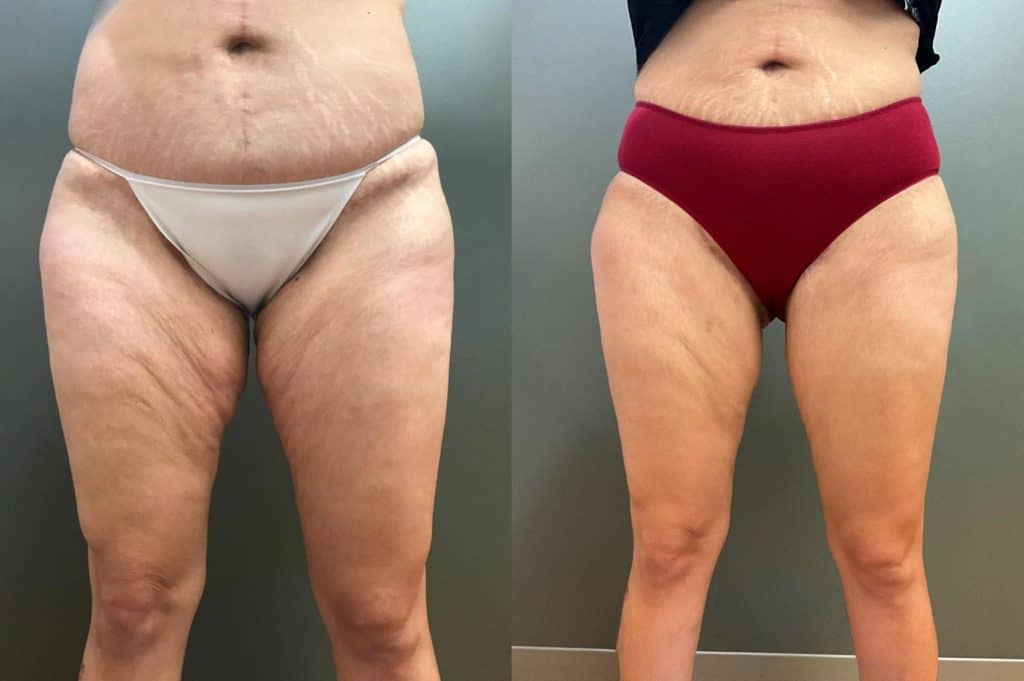
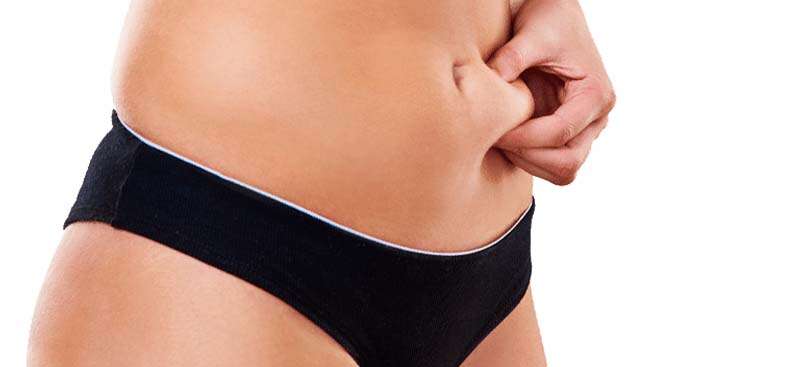
Abdominoplasty, commonly referred to as a ‘Tummy Tuck’, is a surgical procedure designed to remove excess skin from the abdominal area and tighten the underlying muscles and fascia to achieve a more toned and streamlined appearance in the midsection.
Tummy tuck surgery addresses the persistent aesthetic concerns that remain after significant weight loss or pregnancy. When substantial weight is shed, the skin stretches beyond its natural capacity to retract, leaving behind loose, sagging tissue. Similarly, pregnancy—particularly multiple pregnancies—can cause permanent separation of the abdominal muscles (diastasis recti) and irreversible skin laxity that diet and exercise cannot resolve.
As collagen production diminishes with age, skin elasticity decreases, compounding these issues. Even moderate weight fluctuations in older patients with reduced collagen levels can result in persistent loose skin that requires surgical intervention.
Medical Tourism in Albania offers tummy tuck procedures performed by board-certified plastic surgeons trained in European medical institutions. Our surgeons utilize advanced techniques in JCI-accredited facilities, ensuring outcomes comparable to leading clinics in London, Berlin, or Zurich, with transparent all-inclusive pricing at €5,599.
Abdominoplasty is frequently combined with other body contouring procedures such as liposuction and breast surgery. The Mommy Makeover—a comprehensive approach targeting the breasts, abdomen, waist, and thighs—has become increasingly popular among women seeking to restore their pre-pregnancy physique.
It’s important to understand that abdominoplasty offers enduring results when accompanied by proper post-operative care and weight maintenance. Patients planning future pregnancies should defer the procedure until after completing their families, as subsequent pregnancies can compromise surgical outcomes.
The Brazilian Abdominoplasty represents the most advanced approach to abdominal contouring available in Albania. This technique has largely superseded traditional full abdominoplasty methods due to superior aesthetic outcomes and significantly reduced complication rates.
Unlike conventional tummy tucks, Brazilian Abdominoplasty employs strategic liposuction to mobilize the abdominal skin before excision. This approach preserves critical blood supply to the tissue, resulting in faster healing and improved scar quality. The procedure involves:
Benefits over traditional abdominoplasty:
The procedure takes approximately 2.5-3.5 hours under general anesthesia. Patients typically remain in hospital for one night, with some cases discharged the same day depending on individual circumstances.
Cost: €5,599 (all-inclusive)
The mini tummy tuck addresses concerns confined to the lower abdomen, below the umbilicus. This procedure is particularly suitable for younger patients or those with localized skin laxity following a single pregnancy.
The surgical approach involves a shorter incision—typically 15-20cm compared to 30-40cm for a full abdominoplasty—positioned within the natural bikini line. The umbilicus remains in its original position, eliminating the need for umbilical transposition.
Ideal candidates:
The procedure employs the same advanced techniques as Brazilian Abdominoplasty, including strategic liposuction for skin mobilization. Most patients are suitable for day-case surgery without drains.
Recovery is accelerated compared to full abdominoplasty, with most patients returning to desk-based work within 2-3 weeks and resuming full activities by 4-5 weeks.
Cost: €3,800-€4,200
Extended abdominoplasty addresses skin laxity that extends laterally around the flanks and lower back. This procedure is particularly appropriate for patients who have achieved significant weight loss (typically 25kg or more) and present with circumferential skin excess.
The incision extends posteriorly beyond the anterior superior iliac spines, allowing for comprehensive excision of redundant tissue from the lateral trunk. The procedure often incorporates extensive liposuction of the flanks and lower back to optimize body contour.
Surgical considerations:
Extended abdominoplasty delivers dramatic improvements in body silhouette but necessitates longer incisions. Patient selection is critical—candidates must demonstrate commitment to weight stability and possess realistic expectations regarding scar placement.
Cost: €6,200-€6,800
The Fleur-de-Lis technique incorporates both horizontal and vertical excisions, creating an inverted-T or anchor-shaped scar pattern. This approach is reserved for patients with massive skin redundancy following bariatric surgery or extreme weight loss (45kg+).
The vertical midline component addresses superior-inferior skin excess that cannot be adequately corrected through horizontal excision alone. While scarring is more extensive, the aesthetic improvement can be transformative for appropriate candidates.
Indications:
The procedure requires 4-5 hours under general anesthesia with 2-3 nights hospital stay. Recovery is extended compared to standard abdominoplasty, with patients typically requiring 8-10 weeks before resuming full activities.
Cost: €7,200-€8,500
For patients with extensive skin laxity affecting the entire trunk circumference, we recommend a staged approach. Attempting to address the anterior abdomen and posterior trunk in a single operation creates excessive tension and significantly elevates complication risk.
The optimal approach involves:
Stage 1: Extended anterior abdominoplasty with lateral extension
Stage 2: (3-6 months later) Posterior tissue excision and buttock lifting
This staged strategy maintains adequate blood supply, reduces operative time, and delivers superior aesthetic outcomes with acceptable complication rates.
Cost: Staged procedures quoted individually based on extent of correction required
Many women develop troublesome skin folds or overhanging tissue above Caesarean section scars. This can be addressed through a relatively straightforward excision procedure.
The operation involves removing the redundant tissue and revising the existing scar to create a finer, less noticeable line. This procedure can often be performed under local anesthesia with sedation as an outpatient procedure.
Suitable for:
Cost: €2,400-€2,800
Some patients present with rectus diastasis (separated abdominal muscles) but maintain good skin quality without significant excess. For these individuals, internal muscle repair through small incisions offers an alternative to traditional abdominoplasty.
The procedure utilizes endoscopic visualization to repair the linea alba and restore abdominal wall integrity without visible scarring beyond small portal incisions. This approach is particularly suitable for athletic patients or those with isolated muscle separation following pregnancy.
Limitations:
Patients must avoid strenuous abdominal exertion for 12 weeks post-operatively to allow proper fascial healing.
Cost: €3,200-€3,800
The integration of liposuction with abdominoplasty enables comprehensive body contouring of the entire trunk. Strategic fat removal from the flanks, lower back, and upper abdomen creates more harmonious proportions and enhanced waistline definition.
Modern tumescent liposuction techniques, when performed by experienced surgeons, can safely remove up to 5 liters of fat in combination with abdominoplasty. This combined approach addresses both skin laxity and adipose excess in a single procedure. Learn more about combining BBL with liposuction for ultimate body contouring results.
Additional cost for liposuction: €800-€1,500 depending on areas treated
| Surgery Duration | 2.5-3.5 hours (standard abdominoplasty) |
|---|---|
| Anesthesia | General anesthesia |
| Hospital Stay | Day case or 1-2 nights |
| Return to Work | 2-3 weeks (sedentary); 4-6 weeks (physical labor) |
| Compression Garment | 6-8 weeks continuously |
| Showering | After 48 hours (incision must remain dry) |
| Reasonable Mobility | 4-5 days |
| Light Exercise | 6 weeks (walking, swimming) |
| Full Exercise | 8-10 weeks (core exercises, heavy lifting) |
| Sexual Activity | 6 weeks |
| Driving | 2-3 weeks (when able to perform emergency stop comfortably) |
| Sleeping Position | Elevated position for 4 weeks |
| Complete Recovery | 8-12 weeks |
| Final Result | 6-12 months (residual swelling resolves, scar maturation) |
| Location | Full Abdominoplasty | Package Details |
|---|---|---|
| Albania | €5,599 | Surgery, anesthesia, surgeon fee, hospital stay (1-2 nights), all medications, compression garment, follow-up appointments, airport transfers—fully inclusive |
| United Kingdom | £6,000-£9,000 (€7,000-€10,500) | Surgery and basic hospital stay; garment, extended follow-ups, medications often charged additionally |
| Germany | €7,000-€11,000 | Surgery and hospital; garment and some appointments additional |
| Switzerland | €8,000-€14,000 | Surgery and hospital stay; ancillary services charged separately |
| Turkey | €3,500-€5,200 | All-inclusive packages; variable quality standards |
| Poland | €4,500-€6,800 | Surgery and hospital; some services additional |
Albanian pricing includes comprehensive care with no hidden costs. UK quotations often exclude compression garments (£150-250), additional consultations (£150+ each), and certain medications, adding £500-£1,500 to advertised prices.
Initial consultation involves comprehensive physical examination, medical history review, and photographic documentation. Your surgeon assesses:
Pre-operative investigations include complete blood count, coagulation profile, and electrocardiogram for patients over 40 or those with cardiovascular risk factors.
Anesthesia induction: General anesthesia with endotracheal intubation
Incision placement: Horizontal incision positioned within the natural bikini line, extending laterally according to the extent of correction required. Length typically 30-40cm for standard abdominoplasty.
Tissue dissection: The abdominal skin and subcutaneous fat are elevated from the anterior abdominal wall fascia, extending superiorly to the costal margins and xiphoid process. Careful preservation of blood supply through the lateral perforating vessels is essential.
Muscle plication: The rectus abdominis muscles are plicated in the midline using permanent suture material, extending from the xiphoid to the pubis. This recreates the linea alba and narrows the waistline while providing functional improvement to core stability.
Umbilical transposition: The umbilicus is maintained on its vascular pedicle while a new opening is created in the advanced abdominal flap. Careful placement ensures a natural appearance in the midline position.
Skin excision and closure: Excess skin is excised, and the wound is closed in multiple layers. Deep fascial sutures minimize tension on the skin closure, optimizing scar quality.
Drain placement: Modern Brazilian technique often eliminates the need for drains. When required, they are removed when output falls below 30ml per 24 hours, typically 5-7 days post-operatively.
Immediate recovery (0-48 hours):
First week:
Weeks 2-6:
Weeks 6-12:
As with all surgical procedures, abdominoplasty carries inherent risks. Our surgeons utilize advanced techniques to minimize complications, achieving rates comparable to leading UK and European centers.
Common complications (5-10%):
Less common complications (1-5%):
Rare but serious complications (<1%):
Risk mitigation strategies:
Ideal candidates:
Patients who should defer surgery:
Absolute contraindications:
The value is exceptional. A full tummy tuck in Albania costs €5,599 all-inclusive. In the UK, you’re looking at £5,500-£9,000 (€6,400-€10,500) just for the surgery, with extras like compression garments, follow-up appointments, and medications often charged separately. Germany runs €7,000-€11,000. Switzerland is even higher at €8,000-€14,000.
But it’s not just about cost. Albania offers:
Modern surgical techniques – Albanian surgeons use advanced methods including liposuction-assisted abdominoplasty, which reduces complications, speeds recovery, and improves results. Many perform tummy tucks as day-case procedures with no drains required.
JCI-accredited hospitals – Joint Commission International accreditation is the global gold standard for medical facilities. Albanian clinics that work with international patients maintain these standards.
European-trained surgeons – Most plastic surgeons in Tirana completed their training in Italy, Germany, or the UK. They’re not “cheaper” surgeons—they’re the same caliber you’d find in Western Europe, just practicing where operational costs are lower.
All-inclusive packages – Your €5,599 covers surgery, anesthesia, hospital stay, all medications during your stay, compression garment, post-operative appointments, and airport transfers. No hidden costs or surprise bills.
English-speaking medical teams – Communication is never an issue. Surgeons, nurses, and coordinators speak fluent English (plus German, Italian, French in many cases).
Beautiful recovery location – Tirana is an underrated city with good food, friendly people, and affordable hotels (€30-50/night). Some patients combine their surgery trip with a few extra days of sightseeing once they’re feeling better.
The Albanian government has invested heavily in medical tourism infrastructure over the past decade. The result is a network of high-quality clinics that can compete with anywhere in Europe on quality while maintaining transparent, fair pricing.
NOT included:
Total cost comparison:
Even with flights and hotels, your total cost including a week in Tirana comes to approximately €6,200-€6,800. Compare that to €7,000-€10,500 in the UK, €7,000-€11,000 in Germany, €9,000-€13,000 in Italy, or €8,000-€14,000 in Switzerland—just for the surgery alone.


Here are some other treatments you may be looking for:
You should plan your treatment so that you have appropriate time to recover from some daily activities and heal. Make sure you have made all the important preparations and are ready to begin your recovery period.
General anesthesia is used during the surgery to give comfort and pain relief. The anesthetic effect may stay for a few hours after surgery, but as the anesthetic wears off, you will begin to feel pain. Treatments for existing analgesics are given and continued to the third or fourth day after surgery.
Yes, when performed in JCI-accredited clinics by board-certified surgeons. Albania has modern medical facilities and surgeons trained in European standards. Complication rates are comparable to Western Europe. Always verify your clinic’s accreditation and your surgeon’s credentials.
NEED SOME ADVICE FROM OUR EXPERTS?
Schedule a Free Consultation →
Fill out the form and our dedicated experts will get back before you know it!
Save time. feel better.
Save Time and Energy By Easily Filling Our Free Quote Form

 English
  Italian
  Albanian
  Spanish
  German
  Greek
Greek  French
  Dutch
Dutch  Polish