
Medical tourism aftercare planning is one of the most important parts of safe treatment abroad, especially for patients traveling for dental implants, hair transplant, rhinoplasty, cosmetic surgery, or body procedures. Many patients focus on affordable prices and clinic choice, but clear recovery support, follow-up guidance, and travel timing can make the full medical tourism experience safer and easier.
At Medical Tourism in Albania, aftercare planning helps international patients feel prepared before treatment, supported during recovery, and confident before returning home.
Why Aftercare Planning Matters So Much
Aftercare planning is important because it connects the treatment day with the final result. It helps international patients understand what to do after the procedure, what to avoid, when to travel home, and when to contact the clinic.
A clear medical tourism aftercare plan can reduce stress, confusion, missed follow-up visits, poor wound care, travel mistakes, and unrealistic recovery expectations. It also helps the patient, doctor, and clinic stay connected during the most important part of the healing journey.
Aftercare Is Part Of The Treatment, Not An Extra Detail
Many patients think the treatment is complete once the procedure is finished, but recovery is also part of the treatment. The way a patient heals after dental implants, hair transplant, rhinoplasty, tummy tuck, breast surgery, or another procedure can affect comfort, confidence, and the final result.
This is why good aftercare is so important. A dental implant needs time to heal, a hair transplant needs proper washing and scalp care, and rhinoplasty needs swelling control and follow-up. Body and breast surgery also require rest, movement limits, and careful recovery planning.
Clear aftercare helps protect the result and prepares patients for what is normal during healing. Swelling, bruising, discomfort, tightness, shedding, or temporary sensitivity can feel worrying when the patient does not know what to expect. With the right instructions, recovery feels safer, calmer, and more organized.

Patients Often Focus Too Much On The Cost
Price is important. Many people choose treatment abroad because the cost is too high in their home country. However, the cheapest option is not always the best option. Patients should also ask what happens after the procedure.
Important questions include:
- Will I receive written aftercare instructions?
- How many follow-up visits are included?
- When can I fly home?
- Who do I contact if I am worried?
- What symptoms are normal?
- What symptoms are not normal?
- Can I send photos after I return home?
- Is online follow-up available?
- What should I avoid during recovery?
- How long should I stay before traveling back?
These questions are just as important as the treatment price. A low price may look attractive at first. But if aftercare is unclear, the patient may feel lost after the procedure.
Aftercare Starts Before Traveling
Good aftercare does not begin after surgery. It starts before the patient books the flight, because recovery should be part of the full medical tourism plan.
Before traveling to Albania, patients should understand how long they need to stay, when follow-up visits are needed, and when it is safe to fly home. They should also receive clear information about medication, activity restrictions, hotel needs, possible risks, emergency contact, and online follow-up after returning home.
This helps patients plan their trip realistically and avoid stress during recovery. When aftercare is explained before travel, the whole journey feels safer, clearer, and more organized.
Why International Patients Need Clear Recovery Guidance
International patients are not recovering in their home environment. They may be staying in a hotel, using local transport, and communicating with a new medical team.
This makes guidance even more important.
A good aftercare plan should answer simple but important questions:
- How should I sleep?
- What can I eat?
- When can I shower?
- When can I fly?
- What medication should I take?
- What should I avoid?
- When should I contact the clinic?
- How do I send follow-up photos?
- What changes are normal?
- When will the final result appear?
These details make recovery less stressful. Patients should never feel abandoned after treatment. They should know who to contact and what to do next.
Comparison Table: Aftercare Needs By Treatment Type
| Treatment Type | Common Aftercare Needs | Why Planning Matters |
| Dental implants | Soft food, oral hygiene, medication, swelling control, follow-up checks | Implants need healing and long-term planning before final restoration |
| Full mouth restoration | Temporary teeth care, bite adjustment, gum care, hygiene instructions | Patients need comfort, function, and clear timing for final teeth |
| Crowns and veneers | Sensitivity care, bite check, cleaning instructions, avoiding hard foods early | Proper care protects the new smile and improves comfort |
| Hair transplant | Sleeping position, first wash, scalp care, sun protection, shedding explanation | Results develop over months and patients need realistic expectations |
| Rhinoplasty | Splint care, swelling control, avoiding pressure, sleeping elevated, follow-up | The nose is delicate during healing and swelling changes over time |
| Breast surgery | Surgical bra, movement limits, sleeping position, scar care, follow-up | Recovery needs structure to protect comfort and healing |
| Tummy tuck | Compression garment, walking guidance, wound care, drain care if needed | Body surgery needs more rest and should not be rushed |
| Liposuction | Compression garment, swelling care, movement guidance, hydration, follow-up | Swelling can last and patients need realistic recovery expectations |
| Facelift or eyelid surgery | Swelling care, head elevation, wound care, sun protection, follow-up | Facial healing needs careful instructions and patience |
| Body contouring | Compression, activity limits, scar care, follow-up checks | Results depend on surgery, healing, and proper recovery behavior |
Dental Treatment Aftercare
Dental tourism often includes implants, extractions, crowns, veneers, bridges, or full mouth restoration. Each treatment has different aftercare needs.
Dental aftercare is important because the mouth is used every day for eating, speaking, and cleaning.
After dental treatment, patients may need guidance about:
- Oral hygiene
- Soft food diet
- Medication
- Swelling control
- Temporary teeth care
- Implant healing
- Gum care
- Avoiding smoking
- Follow-up visits
- Final restoration timing
- Bite comfort
- Long-term maintenance
Dental Implants Need Long-Term Planning
Dental implants are not only a one-day treatment. They require healing, integration, and careful restoration planning. International patients should understand the full timeline before travel.
A dental implant plan may include:
- Consultation and scans
- Implant placement
- Healing period
- Temporary teeth if needed
- Follow-up checks
- Final crowns or bridge
- Maintenance instructions
This is why aftercare planning is essential for dental tourism. Patients should know whether they need one visit or more than one visit. They should also understand how long healing may take before the final teeth are placed.
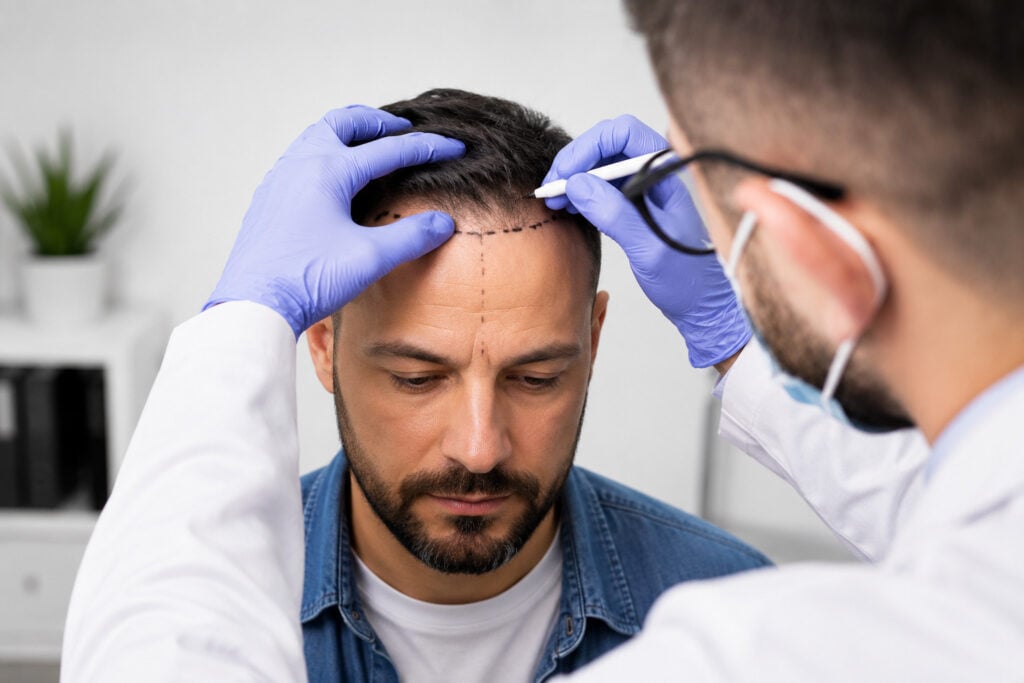
Hair Transplant Aftercare
Hair transplant aftercare is one of the biggest factors in patient satisfaction. The procedure may be completed in one day, but the result develops over months. Patients need clear instructions from the first night.
Hair transplant aftercare may include:
- Sleeping position
- First wash instructions
- Scalp care
- Medication
- Avoiding sweating
- Avoiding sun exposure
- Avoiding hats too early
- Shedding explanation
- Growth timeline
- Online follow-up
Without guidance, patients can become worried about normal healing stages.This is why aftercare should be explained before the patient leaves the clinic.
Cosmetic Surgery Aftercare
Cosmetic surgery aftercare is very important because recovery can involve swelling, bruising, dressings, compression garments, limited movement, or follow-up checks.
Procedures such as rhinoplasty, tummy tuck, breast surgery, liposuction, facelift, and blepharoplasty require careful planning.
Cosmetic surgery aftercare may include:
- Medication schedule
- Wound care
- Compression garments
- Sleeping position
- Drain care if needed
- Shower instructions
- Activity limits
- Follow-up visits
- Flight timing
- Scar care guidance
Patients should know these details before surgery. Cosmetic surgery is not only about the procedure. It is also about the healing process that follows.
Rhinoplasty Aftercare
Rhinoplasty patients need special instructions because the nose is delicate during healing. Aftercare can affect comfort, swelling, and recovery confidence.
Patients may need guidance about:
- Nasal splint
- Sleeping with head elevated
- Avoiding nose pressure
- Cleaning instructions
- Avoiding glasses
- Avoiding heavy activity
- Swelling timeline
- Bruising expectations
- Follow-up appointment
- Flying home safely
A good rhinoplasty plan includes both surgery and recovery. Patients should understand that the nose changes over time. Early swelling is normal, and final refinement takes patience.
Tummy Tuck And Body Surgery Aftercare
Body surgery requires serious recovery planning. Patients may need more rest, limited movement, and support during the first days.
This is not the type of treatment where a patient should rush home immediately.
Aftercare for body surgery may include:
- Walking instructions
- Compression garment use
- Drain management if needed
- Sleeping position
- Medication
- Wound care
- Swelling expectations
- Return to work timing
- Activity restrictions
- Follow-up checks
Planning helps patients avoid unrealistic recovery expectations. A tummy tuck, liposuction, or body contouring procedure needs time. The patient should know how long to stay, how to move safely, and when to travel.
Breast Surgery Aftercare
Breast augmentation, breast lift, and breast reduction also require structured aftercare. Patients should know how to sleep, move, shower, and wear support garments.
Aftercare may include:
- Surgical bra instructions
- Arm movement limits
- Sleeping position
- Scar care
- Swelling timeline
- Follow-up appointment
- Medication
- Avoiding heavy lifting
- Return to exercise timing
- Online follow-up
Clear instructions make recovery safer and easier. Patients should also understand that swelling changes over time. The final shape may not be visible immediately.
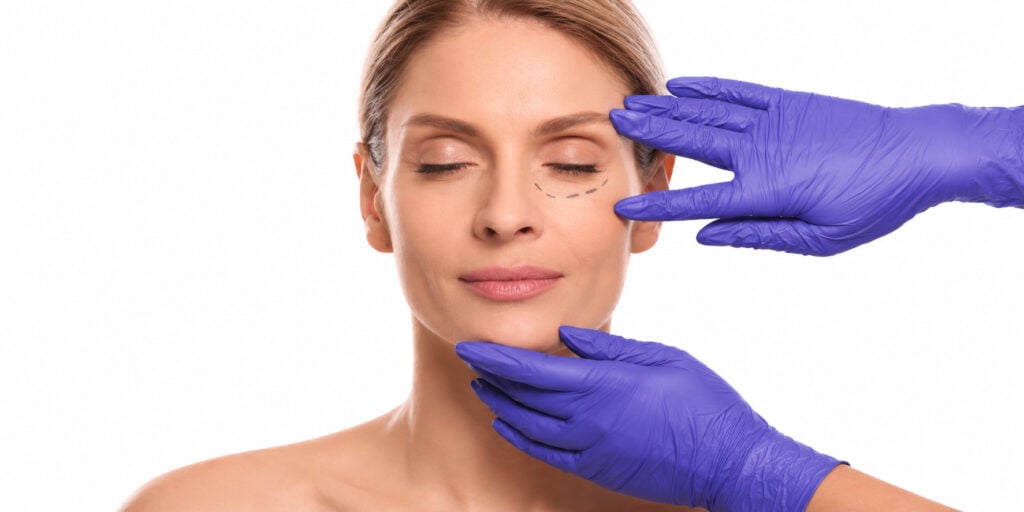
Facelift And Eyelid Surgery Aftercare
Facial cosmetic surgery needs careful aftercare because swelling and bruising can be more visible. Patients should know what to expect before they travel.
Facelift and eyelid surgery aftercare may include:
- Head elevation
- Cold compress guidance if recommended
- Wound care
- Medication instructions
- Avoiding sun exposure
- Avoiding makeup too early
- Follow-up appointment
- Scar care advice
- Activity restrictions
- Online photo review
Patients should not panic about early swelling or tightness. The face needs time to settle. A clear recovery timeline helps the patient feel calm and prepared.
Why Patients Should Stay Long Enough After Treatment
Some patients want to fly home as soon as possible to save money. This can be a mistake.
The first days after treatment are important for follow-up checks.
Patients should stay long enough for:
- Initial recovery
- Doctor review
- Dressing checks
- Swelling assessment
- Medication adjustment
- Early complication detection
- Travel clearance
- Final instructions
The recommended stay depends on the treatment. A dental veneer patient may need less time than a tummy tuck patient. A hair transplant patient may travel sooner than someone who had major body surgery. This is why the timeline must be personalized.
Online Follow-Up Is Important For International Patients
After returning home, patients may still have questions. Online follow-up helps maintain communication.
This is especially useful for cosmetic surgery, hair transplant, and dental treatment.
Online follow-up may include:
- Photo review
- Healing check
- Scar questions
- Hair growth updates
- Dental implant healing updates
- Medication questions
- Final result expectations
- Long-term care advice
Patients should ask about this before travel. A good medical tourism provider should explain how communication will continue after the patient leaves Albania.
Why Medical Tourism In Albania Focuses On Planning
Medical Tourism in Albania helps international patients organize the journey from consultation to recovery. This is important because patients need support before and after treatment.
The goal is to make the experience easier, clearer, and more transparent.
Planning can include:
- Online consultation
- Case evaluation
- Treatment recommendation
- Price information
- Travel day planning
- Clinic coordination
- Hotel guidance
- Airport transfer support
- Aftercare instructions
- Follow-up communication
This makes the journey more complete.
Patients are not only looking for a procedure. They are looking for a guided experience.
Common Aftercare Mistakes
Patients can damage their recovery by doing too much too soon. Even when treatment goes well, poor aftercare can create problems.
Common mistakes include:
- Flying home too early
- Ignoring medication instructions
- Smoking during recovery
- Drinking alcohol too soon
- Exercising too early
- Touching treated areas
- Sleeping in the wrong position
- Missing follow-up checks
- Not asking questions
- Comparing healing to other patients
- Ignoring written instructions
- Choosing a hotel too far from the clinic
Final Thoughts
Medical tourism aftercare planning is not a small detail. It is one of the most important parts of treatment abroad.
A good plan helps patients understand recovery, avoid stress, and return home at the right time. It also builds trust between the patient, clinic, and medical tourism team.
Before choosing any treatment abroad, patients should ask about aftercare first.
The best medical tourism experience is not only affordable. It is organized, realistic, safe, and supported from the first consultation to the final follow-up.
Contact Us
Ready to plan your treatment abroad with confidence? ✈️
At Medical Tourism in Albania, we help you organize your treatment, travel, and recovery from the first message. Our team guides you with clear prices, treatment options, aftercare instructions, and follow-up support after you return home.
📲 WhatsApp: +355 69 625 1111 / +355 69 657 9999
☎️ Call: +355 45 627 297
📧 Email: info@medicaltourisminalbania.com
🌐 Contact page: medicaltourisminalbania.com/contact-us/

 English
  Italian
  Albanian
  Spanish
  German
  Greek
Greek  French
  Dutch
Dutch  Polish