
You may have chosen cosmetic surgery, but your results depend on more than just the procedure itself. Factors like age, skin quality, and lifestyle can significantly influence outcomes, and Medical Tourism Albania helps patients understand these differences and connect with the right specialists for the best possible results.
Why Individual Factors Matter
Cosmetic surgery isn’t one-size-fits-all. Your body’s unique characteristics determine how well you heal, how natural your results appear, and how long those results last.
Think of it this way: a surgeon provides the technical skill and artistry, but your body does the healing. Your age, skin condition, general health, and daily habits all influence this healing process.
Patients with excellent skin quality, healthy lifestyles, and optimal age ranges typically achieve the best, most natural-looking results. Those with compromised skin, poor health habits, or extreme ages at either end of the spectrum may still achieve good outcomes but often require modified approaches or additional procedures.
How Age Influences Surgical Outcomes
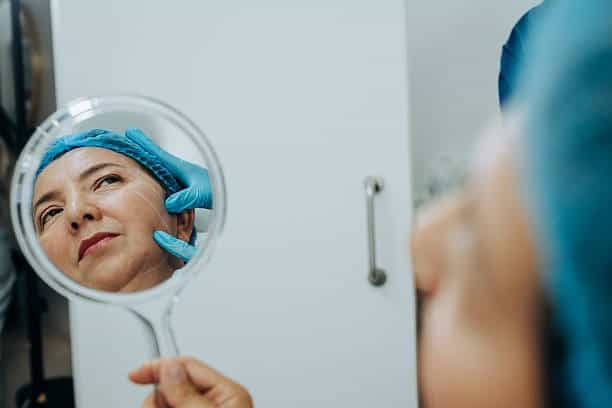
Age is one of the most significant factors affecting cosmetic surgery results, but it’s not as simple as “younger is better.”
The Sweet Spot: Ages 40-60
Most plastic surgeons consider ages 40-60 the ideal range for many facial rejuvenation procedures.
Why this age range is optimal:
- The skin still has good elasticity, allowing it to adapt well after surgery
- Signs of aging are visible enough to make surgery beneficial
- The body’s healing ability is usually strong and reliable
- Expectations are typically more realistic and well-informed
- Results can look natural and last 10–15 years or longer
Patients in their 40s often see the most dramatic transformations because they’re addressing early to moderate aging before tissues have severely descended. Those in their 50s typically achieve excellent results that can last well into their 60s and beyond.
Younger Patients: Under 40
Cosmetic surgery in younger patients requires careful consideration. While healing is typically excellent, several factors complicate the picture.
Advantages of youth:
- The body heals faster and recovers more easily
- Skin elasticity is better, helping results look smoother
- Results tend to last longer over time
- The risk of complications is generally lower
Challenges with younger patients:
- Aging changes may be minimal and not significant enough to justify surgery
- There is a higher risk of overcorrection or an unnatural appearance
- Expectations may be unrealistic or not fully aligned with outcomes
- Revision surgery may be needed as natural aging continues
- Psychological factors are more likely to influence the decision to have surgery
Surgeons often recommend non-surgical options for patients in their 30s unless specific concerns like genetic traits (strong nose, weak chin) or traumatic injury warrant surgical intervention.
Older Patients: Over 65
Age alone shouldn’t disqualify anyone from surgery, but patients over 65 face certain considerations.
Healing changes with older age:
- Slower wound healing and tissue repair
- Reduced skin elasticity affects final draping
- Increased risk of complications like infection or poor scarring
- Longer recovery periods
- Greater likelihood of medical conditions affecting surgery safety
When older patients can still achieve excellent results:
- Maintain overall good health
- Don’t smoke and have healthy lifestyle habits
- Have realistic expectations about outcomes
- Understand recovery may take longer
- Work with experienced surgeons comfortable with older patients
Many surgeons have successfully performed procedures on patients in their 70s and even 80s who are in excellent health. The key is comprehensive medical evaluation and realistic planning.
Age-Related Procedure Adjustments
Experienced surgeons adjust techniques based on patient age.
For younger patients: Conservative approaches that address specific concerns without over-treating. The goal is natural enhancement rather than dramatic change.
For older patients: More extensive tissue repositioning may be needed, with additional skin excision to account for reduced elasticity. Combination procedures often work better than single treatments.
The Critical Role of Skin Quality
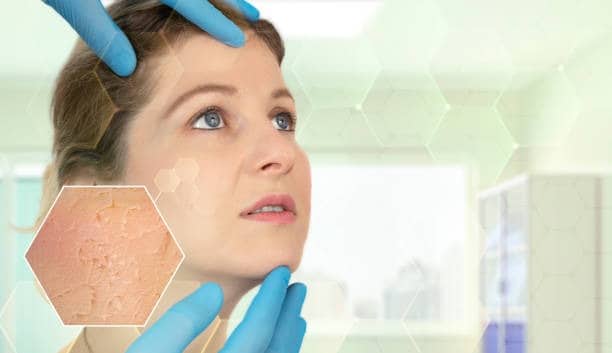
Your skin quality dramatically impacts surgical outcomes, sometimes even more than age itself.
What Determines Skin Quality
Several factors contribute to overall skin quality:
- Aging is partly genetic and unavoidable—some people naturally have thicker skin that ages slower, while others have thinner skin that shows aging earlier
- Sun damage is the biggest external cause of aging, breaking down collagen and causing wrinkles, spots, and weaker skin
- Smoking damages the skin by reducing blood flow, making it look dull and slowing healing
- Skincare habits matter—people who use sunscreen and good skincare usually have healthier skin
- Genetics and ethnicity affect skin thickness, elasticity, and oil levels, which influence aging and surgical results
Skin Elasticity and Surgical Results
Skin elasticity means how well the skin stretches and returns to place, and it is one of the most important factors for natural results
Good elasticity means:
- The skin sits smoothly over newly shaped areas
- Results look natural, not tight or pulled
- Scars heal better
- Results last longer
Poor elasticity results in:
- Loose, hanging skin despite tissue tightening underneath
- Visible irregularities in the final contour
- Potential need for additional skin removal
- Earlier recurrence of sagging
- Possible need for revision surgery
Surgeons test skin elasticity during consultations by gently pulling and releasing skin to observe how quickly it bounces back. This assessment helps determine realistic expectations and appropriate techniques.
Skin Thickness Considerations
Skin thickness affects both surgical approach and final appearance.
Thick skin:
- Advantages: Hides minor irregularities, provides better padding over surgical work, generally ages slower
- Challenges: May limit definition in procedures like rhinoplasty, requires a more aggressive technique to see results, and can be less responsive to tightening procedures
Thin skin:
- Advantages: Shows surgical refinements clearly, responds well to tightening procedures, and can achieve dramatic definition
- Challenges: Shows every irregularity, requires meticulous surgical technique, may develop visible scarring more easily, and ages faster
Your surgeon adjusts their technique based on your skin thickness, using more conservative approaches with thin skin and potentially more aggressive methods with thick skin.
Optimizing Skin Quality Before Surgery
Smart patients take steps to improve skin quality before surgery.
Pre-surgery skin preparation:
- Start tretinoin (prescription retinoid) 2-3 months before surgery to boost collagen production and improve healing
- Use vitamin C serums to support collagen synthesis and protect against free radicals
- Apply sunscreen religiously to prevent further damage
- Stay hydrated for plump, healthy skin cells
- Consider professional treatments like chemical peels or laser therapy
- Quit smoking at least 4-6 weeks before surgery
These steps can significantly improve your surgical outcome and healing process.
Lifestyle Factors That Impact Results

Your daily habits influence surgical outcomes more than most patients realize. The lifestyle choices you make before and after surgery directly affect healing, results, and longevity.
Smoking
Smoking is the single most important lifestyle factor for surgical outcomes.
How smoking affects results:
- Nicotine constricts blood vessels, reducing blood flow to healing tissues
- Carbon monoxide displaces oxygen in the bloodstream
- Increased risk of infection due to impaired immune function
- Delayed wound healing and a higher risk of complications
- Significantly increased risk of skin necrosis (tissue death)
- Poor scar quality with wider, more visible scars
- Premature aging that undermines surgical improvements
The numbers don’t lie:
- Smokers face 3-6 times higher complication rates than non-smokers
- Wound healing problems occur in up to 40% of smokers vs. 5% of non-smokers
- Skin necrosis risk increases by 12-fold in facelift patients who smoke
Quitting timeline:
- Minimum 4 weeks before surgery
- Continue abstaining for 4 weeks after surgery
- Better yet, use surgery as motivation to quit permanently
Many surgeons refuse to operate on active smokers for procedures like facelifts, tummy tucks, or breast reductions due to unacceptably high complication risks.
Alcohol Consumption

Excessive alcohol use affects surgical outcomes through multiple mechanisms.
Pre-surgery concerns:
- Impairs liver function, affecting medication metabolism
- Increases bleeding risk during and after surgery
- Compromises immune function
- Dehydrates tissues
- May indicate underlying health issues
Post-surgery impact:
- Interacts dangerously with pain medications
- Increases swelling and delays healing
- Raises infection risk
- Can cause bleeding at surgical sites
Most surgeons recommend abstaining from alcohol for at least one week before and two weeks after surgery.
Nutrition and Surgical Healing
Your nutritional status significantly influences how well and how quickly you heal.
Key nutrients for optimal healing:
- Protein forms the building blocks for new tissue. Aim for 1.2-1.5 grams per kilogram of body weight daily. Include lean meats, fish, eggs, legumes, and protein shakes if needed.
- Vitamin C is essential for collagen synthesis. Load up on citrus fruits, berries, bell peppers, and broccoli. Consider supplementation with 500-1000mg daily.
- Zinc supports immune function and wound healing. Good sources include oysters, beef, pumpkin seeds, and chickpeas.
- Vitamin A promotes skin regeneration and immune function. Find it in sweet potatoes, carrots, and leafy greens.
- Hydration cannot be overstated. Water transports nutrients to healing tissues and removes waste products. Aim for at least 8-10 glasses daily.
Foods to avoid:
- Processed foods high in sugar and salt increase inflammation
- Excessive sodium worsens swelling
- Foods that may increase bleeding risk (garlic, ginger, turmeric) immediately before surgery
Exercise and Physical Activity

Your fitness level affects both surgical candidacy and recovery.
Pre-surgery fitness benefits:
- Better cardiovascular health reduces anesthesia risks
- Stronger core muscles aid recovery from body contouring procedures
- Improved circulation promotes healing
- Faster return to normal activities
- Better overall surgical outcomes
Exercise guidelines:
- Maintain regular moderate exercise before surgery
- Stop strenuous workouts 1 week before surgery
- Resume light walking within days after surgery
- Wait 4-6 weeks before returning to vigorous exercise
- Follow your surgeon’s specific activity restrictions
Patients who exercise regularly typically experience easier recoveries and better long-term results because they’re committed to maintaining their surgical improvements.
Weight Stability
Significant weight fluctuations undermine surgical results.
Why weight stability matters:
- Surgeons contour tissues to your current body size
- Weight gain stretches skin and tissues, reversing improvements
- Weight loss can create loose skin and unnatural contours
- Yo-yo dieting accelerates aging and tissue laxity
Optimal approach:
- Reach and maintain goal weight before surgery
- Stay within 5-10 pounds of surgery weight long-term
- Develop sustainable healthy eating habits
- Understand that surgery is not a weight loss method
For body contouring procedures like tummy tucks or liposuction, surgeons typically require patients to be at or near their goal weight and stable for at least 3-6 months before surgery.
Sleep Quality
Adequate sleep is when your body does most of its healing and regeneration.
Sleep and surgical recovery:
- Human growth hormone, crucial for healing, is released primarily during deep sleep
- Immune function depends on adequate rest
- Poor sleep increases inflammation and stress hormones
- Sleep deprivation slows wound healing
- Adequate rest improves pain tolerance
Recommendations:
- Aim for 7-9 hours nightly before and after surgery
- Keep your head elevated after facial procedures to reduce swelling
- Create a comfortable recovery area with plenty of pillows
- Avoid screens before bed to improve sleep quality
- Consider sleep aids if recommended by your surgeon
Stress Management
High stress levels negatively impact surgical outcomes through hormonal and immune system effects.
How stress affects healing:
- Elevated cortisol impairs immune function
- Inflammation increases
- Blood sugar regulation suffers
- Sleep quality decreases
- Healing slows significantly
Stress reduction strategies:
- Practice meditation or deep breathing exercises
- Maintain social connections and support systems
- Avoid scheduling surgery during particularly stressful life periods
- Consider therapy if anxiety about surgery is overwhelming
- Plan recovery time to minimize stress about work or family obligations
Sun Exposure

UV damage continues to age skin after surgery, potentially undermining your results.
Sun protection essentials:
- Apply SPF 30+ or higher sunscreen daily
- Reapply every 2 hours when outdoors
- Wear wide-brimmed hats and UV-protective clothing
- Avoid peak sun hours (10 am-4 pm)
- Be especially vigilant about protecting scars for at least one year
Patients who protect their skin from sun damage maintain their surgical results significantly longer than those who don’t.
Combining Factors
No single factor determines your surgical outcome in isolation. The interaction between age, skin quality, and lifestyle creates your unique healing environment.
Ideal candidate profile:
- Ages 40-60 with moderate aging concerns
- Good skin elasticity and thickness
- Non-smoker with healthy lifestyle habits
- Stable weight and regular exercise routine
- Realistic expectations and good mental health
- Committed to post-operative care and maintenance
Challenging candidate profile:
- Patients over 70 or under 30 with extreme concerns
- Poor skin quality from sun damage or smoking
- Active smoker or heavy drinker
- Significant weight fluctuations or obesity
- Unrealistic expectations or body dysmorphia
- Poor commitment to pre- and post-operative instructions
Even challenging candidates can achieve good results with the right surgeon, realistic expectations, and commitment to optimizing controllable factors.
Taking Control of Your Outcome
While you can’t change your age or genetics, you can optimize many factors that influence your surgical results.
Six months before surgery:
- Quit smoking permanently
- Establish healthy eating patterns
- Start a regular exercise routine
- Begin a quality skincare regimen with retinoids
- Achieve and stabilize at the goal weight
- Address any health issues with your doctor
Three months before surgery:
- Continue all healthy habits
- Add vitamin C and other healing supplements
- Optimize sleep schedule
- Practice stress management techniques
- Protect skin from sun damage religiously
One month before surgery:
- Follow all pre-operative instructions precisely
- Avoid alcohol and recreational drugs
- Continue excellent nutrition and hydration
- Prepare a recovery area at home
- Arrange help for the post-operative period
After surgery:
- Follow post-operative instructions exactly
- Attend all follow-up appointments
- Protect surgical sites from sun exposure
- Maintain healthy lifestyle habits
- Be patient with the healing process
In Conclusion
Think of cosmetic surgery like teamwork. The surgeon does the skilled work, but your body is the one that heals, and how well it heals depends a lot on you.
Some things—like your age or genetics—you cannot change, and that is okay. But many things are in your control, such as how healthy your skin is, whether you smoke, how you eat, and how you take care of yourself before and after surgery.
If you prepare your body properly and follow healthy habits, your results will look better, more natural, and last longer. Simply put: take care of your body, and your body will take care of your results.
Spending a little extra time preparing is not extra work—it is how you protect your money, your results, and make sure the surgery truly improves your life for years ahead.

 English
  Italian
  Albanian
  Spanish
  German
  Greek
Greek  French
  Dutch
Dutch  Polish