
Albania has quietly emerged as one of Europe’s premier destinations for hair transplant procedures. While countries like Turkey have dominated the headlines, savvy patients are discovering that Albania offers the same world-class quality at even better value.
The country’s capital, Tirana, now hosts dozens of internationally accredited clinics staffed by surgeons trained across Europe and the United States. These facilities use the latest FUE, DHI, and Sapphire techniques that produce natural-looking results indistinguishable from your original hair.
What sets Albania apart isn’t just the cost savings. It’s the combination of skilled surgeons, personalized care, modern facilities, and the opportunity to recover in a beautiful Mediterranean setting. Patients can address their hair loss concerns while exploring ancient ruins, relaxing on pristine beaches, or enjoying Tirana’s vibrant café culture.
Understanding Hair Transplant Procedures Available in Albania
FUE Hair Transplant: The Gold Standard
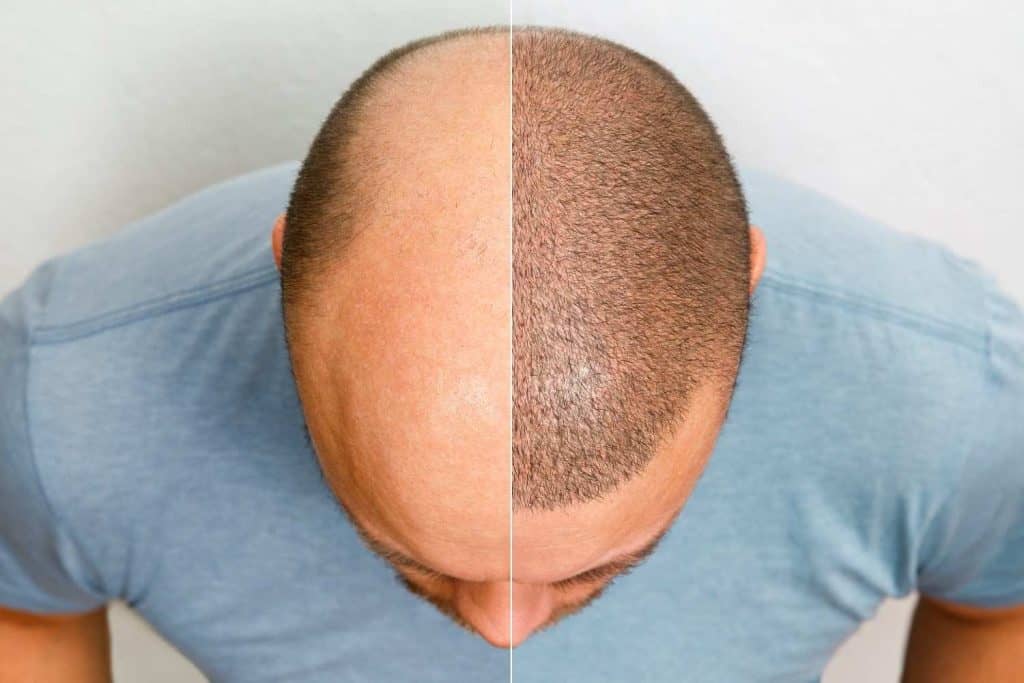
Follicular Unit Extraction has become the most popular hair restoration method worldwide, and Albanian clinics have perfected this technique. Unlike older strip methods that leave visible scars, FUE extracts individual hair follicles from your donor area using tiny punch tools less than 1mm in diameter.
Each follicle is carefully harvested from the back and sides of your head where hair is genetically programmed to grow for life. These follicles are then implanted one by one into your thinning or balding areas, creating a completely natural hairline that grows exactly like your original hair.
The beauty of FUE lies in its precision. Surgeons can control the angle, depth, and direction of each implanted hair to match your natural growth pattern. There’s no linear scar, minimal downtime, and you can wear your hair short without anyone knowing you’ve had a transplant.
Recovery is relatively quick, too. Most patients feel comfortable returning to work within a week, though strenuous exercise should wait a bit longer. The transplanted hairs will shed after a few weeks (this is completely normal), then begin growing permanently after about three months.
DHI Technique: Maximum Precision
Direct Hair Implantation takes FUE to the next level with specialized Choi implanter pens. Instead of creating recipient sites first and then inserting grafts, DHI allows surgeons to extract and implant in one motion.
This technique offers several advantages for patients seeking the absolute best results. The implanter pens give surgeons unprecedented control over the angle and depth of each hair, resulting in more natural-looking density. Since grafts spend less time outside your body, survival rates can be even higher.
DHI is particularly beneficial for patients who need to fill in thinning areas rather than completely bald spots, as it can be performed without shaving the entire head. Women especially appreciate this feature, along with anyone who wants to keep their procedure discreet.
The technique does require exceptional skill and experience, which is why choosing a qualified surgeon matters so much. Albanian clinics that offer DHI have invested significantly in training and specialized equipment to deliver results that rival the best clinics anywhere in the world.
Sapphire FUE: The Latest Innovation
Sapphire FUE represents the cutting edge of hair transplant technology. Instead of traditional steel blades, surgeons use blades tipped with genuine sapphire, one of the hardest materials on earth.
Why does this matter? Sapphire blades create smaller, more precise incisions that cause less trauma to your scalp tissue. This means less swelling, faster healing, and ultimately better density because grafts can be placed closer together.
Patients who choose Sapphire FUE often report less discomfort during recovery and see their final results slightly sooner. The reduced tissue trauma also means less crusting and scabbing in those first crucial days after your procedure.
Many leading Albanian clinics now offer Sapphire FUE as their standard approach, giving international patients access to this premium technique without the premium Western European pricing.
The Real Cost Advantage of Albanian Hair Transplants
Why Albania Offers Such Competitive Pricing
The question everyone asks is simple: how can Albanian clinics offer such significantly lower prices while maintaining high quality? The answer lies in economics, not corners being cut.
Albania has a lower cost of living compared to Western Europe, which means everything from rent to salaries costs clinics less. These savings get passed directly to patients. A surgeon earning a comfortable living in Tirana still costs a fraction of what the same skilled professional would command in London, Paris, or Munich.
The country also benefits from a competitive medical tourism market. With dozens of clinics vying for international patients, there’s strong incentive to offer excellent value while maintaining quality standards. This competition keeps prices reasonable while pushing clinics to continually improve their services.
Medical procedures in Albania aren’t subject to VAT (value-added tax), providing another cost advantage. Factor in lower operational costs for everything from equipment to utilities, and you start to understand how significant savings are possible without sacrificing quality.
What You Get for Your Investment
Most Albanian hair transplant clinics operate on an all-inclusive package model. This transparent approach means you know exactly what you’re paying upfront, with no surprise bills or hidden fees later.
A typical comprehensive package includes your entire procedure regardless of how many grafts you need, all pre-operative consultations and assessments, post-operative medications and specialized shampoos, and detailed aftercare instructions. Many packages also include several nights of hotel accommodation and airport transfers to eliminate the stress of navigating a new city while recovering.
The value becomes even more apparent when you consider the quality of facilities you’re getting. Albanian clinics have invested heavily in modern equipment, comfortable recovery rooms, and trained multilingual staff who understand the unique needs of international patients.
Compare this to Western European clinics that often charge per graft and bill separately for consultations, medications, and follow-up care. When you add up all the components, many patients save 60-70% by choosing Albania over their home countries, all while receiving comparable or superior care.
Why International Patients Are Choosing Albania
Experienced Surgeons with International Training
The surgeons performing hair transplants in Albania aren’t just locally trained physicians. Many have completed fellowships and advanced training programs in countries like the UK, Germany, Italy, and the United States.
These doctors return to Albania with cutting-edge techniques and international best practices, then apply them in modern facilities at a fraction of what they’d charge if they practiced in London or New York. You’re essentially getting Western-trained expertise at Albanian prices.
Many Albanian surgeons have performed thousands of successful procedures over their careers. This level of experience matters tremendously when it comes to artistic hairline design and maximizing the natural appearance of your results.
The best clinics are transparent about their surgeons’ credentials, sharing before-and-after portfolios and patient testimonials from around the world. They understand that international patients need reassurance about quality, and they’re happy to provide it.
European Standards and Certifications
Albania may offer developing-world prices, but the medical standards are firmly European. The country’s healthcare system operates under regulations aligned with EU requirements, and many clinics hold international accreditations.
All reputable hair transplant clinics use CE-certified medical equipment and materials. This means the tools, medications, and supplies used in your procedure meet the same safety standards required throughout the European Union.
Sterilization protocols follow international best practices, with autoclaves and strict hygiene procedures that eliminate any risk of cross-contamination. Operating rooms are equipped with modern air filtration systems and maintained to surgical standards.
For additional peace of mind, many Albanian clinics carry comprehensive medical liability insurance and participate in international quality assurance programs. These aren’t backroom operations; they’re professional medical facilities that happen to be located in a country with favorable economics.
Convenient European Location
Albania’s geography makes it remarkably accessible for patients across Europe. Direct flights connect Tirana to dozens of major cities, with flight times typically between two and three hours from most Western European capitals.
EU citizens don’t need a visa to visit Albania, and the country welcomes tourists with open arms. English is widely spoken in medical facilities and tourist areas, making communication easy even if you don’t speak Albanian.
The time zone is Central European Time, meaning no jet lag for European patients and minimal adjustment for those coming from nearby regions. You can literally fly in, have your procedure, recover for a few days, and be back home within a week if needed.
This convenience factor shouldn’t be underestimated. Medical tourism to more distant destinations like Turkey or Thailand requires longer flights, more significant time zone changes, and greater disruption to your normal life. Albania offers world-class hair restoration right in Europe’s backyard.
The Complete Hair Transplant Journey in Albania
Your Initial Consultation and Assessment
Your hair transplant journey begins long before you board a plane to Tirana. Most Albanian clinics offer comprehensive virtual consultations where you can meet your surgeon, discuss your goals, and get a preliminary assessment.
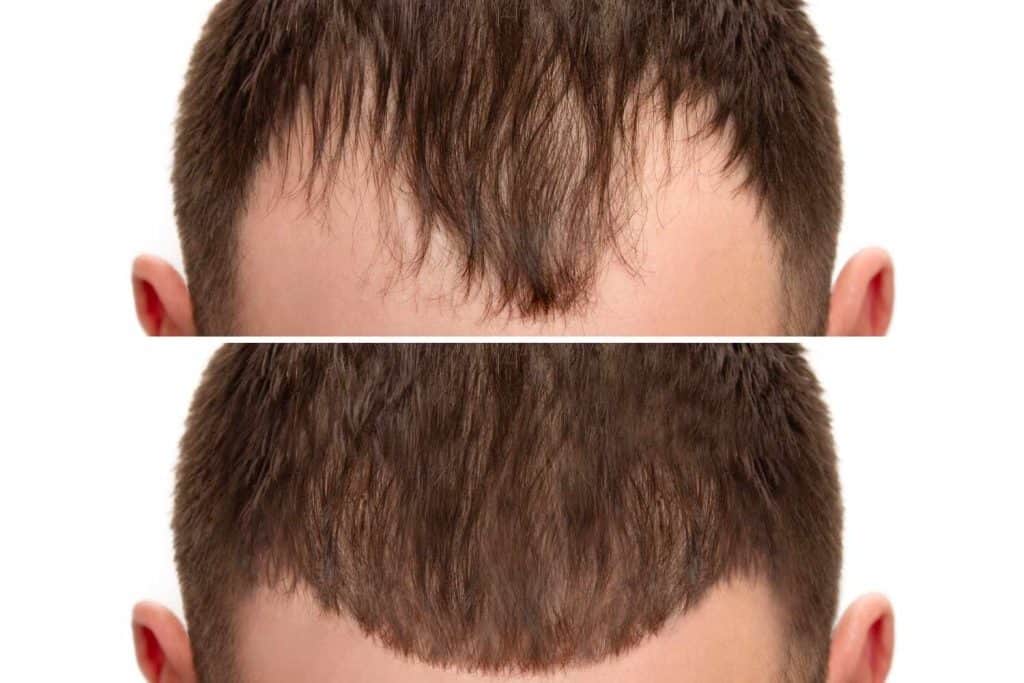
During this initial consultation, you’ll submit photos of your hair from multiple angles. The surgeon will analyze your hair loss pattern, density of your donor area, and overall scalp health. This information allows them to recommend the best technique and estimate how many grafts you’ll need.
You’ll also discuss your expectations and desired hairline design. Good surgeons take time to understand what “natural” means to you, whether you want to restore your youthful hairline or create an age-appropriate look that will suit you for decades to come.
The consultation is also your opportunity to ask questions about the surgeon’s experience, see before-and-after photos of previous patients with similar hair loss patterns, and understand exactly what’s included in your package price. Reputable clinics encourage these questions and provide detailed, honest answers.
Preparing for Your Procedure
Once you’ve decided to proceed, your clinic will provide specific pre-operative instructions. These typically include stopping blood-thinning medications like aspirin for a week or two before your procedure, avoiding alcohol and smoking which can affect healing, and making sure you’re well-rested and properly hydrated.
Your clinic’s medical tourism coordinator will help you book flights and arrange hotel accommodations near the clinic. Most work with specific hotels that offer discounted rates for medical tourism patients and are convenient for post-operative check-ups.
You’ll typically arrive in Tirana the day before your procedure. This gives you time to settle in, meet your surgeon in person for a final consultation, and get a good night’s sleep before your big day. Some patients use this time to explore Tirana’s city center or enjoy a nice dinner.
The night before, wash your hair thoroughly with regular shampoo and get to bed early. You want to be fresh and relaxed for your procedure. Don’t worry about eating breakfast, in fact, you’ll be encouraged to eat well since you’ll be sitting for several hours.
The Procedure Day Experience
On the morning of your hair transplant, you’ll arrive at the clinic and change into comfortable surgical attire. The medical team will review the plan one final time, answer any last-minute questions, and begin preparing you for the procedure.
The first step is administering local anesthesia to both your donor and recipient areas. This is typically the only uncomfortable part of the entire process, a brief pinching sensation that quickly fades. Some clinics also offer sedation options if you’re particularly anxious, though most patients find it unnecessary.
Once you’re numb, the extraction process begins. If you’re having FUE, the surgeon will use a micro-punch tool to harvest individual follicles from your donor area. This takes several hours depending on how many grafts you need, but you won’t feel anything. Many clinics provide entertainment like movies or music to pass the time.
The extracted follicles are then carefully sorted and prepared by trained technicians. They’re kept in a special holding solution that keeps them healthy until implantation. This attention to detail ensures maximum graft survival and optimal results.
Meanwhile, your surgeon creates the recipient sites in your thinning or balding areas. This is where artistry meets medical skill. The surgeon must consider the natural angle and direction of your existing hair, create a hairline that suits your facial features, and position thousands of tiny incisions that will hold your new follicles.
Finally, each follicle is implanted one by one into its new home. This meticulous process can’t be rushed, it’s what separates excellent results from mediocre ones. Your surgeon will work methodically to create natural-looking density and seamless integration with your existing hair.
The entire procedure typically takes between four and eight hours depending on the number of grafts. You’ll get breaks to eat, use the bathroom, and stretch your legs. By late afternoon, you’ll be done and ready to return to your hotel with your new hairline.
Recovery and Aftercare in Tirana
The first night after your hair transplant, you’ll sleep with your head elevated to minimize swelling. The clinic will provide pain medication, though most patients report minimal discomfort. You might feel some tightness in your scalp, but serious pain is rare.
You’ll return to the clinic the next morning for your first wash and check-up. The medical team will gently clean your scalp, check that everything is healing properly, and provide detailed instructions for the coming days and weeks. This is also when you’ll receive your post-operative care kit with special shampoo, medications, and other supplies.
For the first week, your transplanted area will be delicate. You’ll need to avoid touching it, sleep carefully, and follow washing instructions precisely. Most of the redness and any scabbing will be hidden under your existing hair, especially if you have longer hair on top.
Many patients choose to stay in Tirana for 3-5 days after their procedure to have easy access to their clinic for any questions or concerns. This also gives you time to explore the city during your recovery, as long as you avoid strenuous activities and direct sun exposure.
By day seven or eight, you’ll have a follow-up check before heading home. At this point, most of the initial healing has occurred and you’ll be cleared to resume normal activities. Your clinic will provide ongoing support through email, WhatsApp, or phone calls as your hair begins to grow.
The Growth Timeline: What to Expect
Understanding the hair growth timeline is crucial for maintaining realistic expectations. Hair transplants require patience, but the permanent results are worth the wait.
During the first two weeks, you’ll notice scabs forming around the transplanted hairs. These will gradually fall off naturally, don’t pick at them. As they shed, they’ll often take the visible hair shaft with them. This is completely normal and expected.
Between weeks two and four, most patients experience “shock loss” where the transplanted hairs fall out. This alarms many people, but it’s actually a positive sign that your follicles are healthy and entering their growth cycle. The follicles remain safely implanted in your scalp, they’re just shedding the initial hair shaft before growing permanent new ones.
The waiting period from month one to three can feel long. Your scalp will look relatively unchanged, with little visible growth. This is when many patients doubt their decision or worry something went wrong. Rest assured, your follicles are simply in the resting phase before they begin producing new hair.
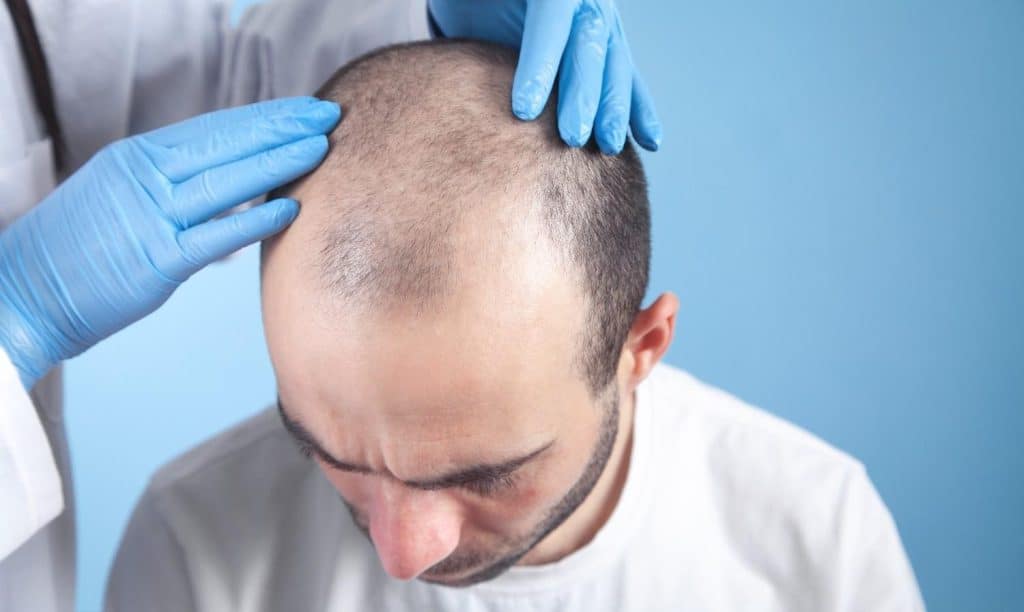
Around month three or four, you’ll start seeing tiny new hairs emerging. This is an exciting milestone, though the hair will be thin and fine initially. Growth accelerates from this point forward, with more density appearing each month.
By month six, you’ll have significant visible growth that starts to make a real difference in your appearance. The hair is still maturing and thickening, but you can style it normally and most people will notice the improvement even if they don’t realize you’ve had a transplant.
The full transformation occurs between months nine and twelve. This is when you reach maximum density and your new hair matches the texture and quality of your existing hair. Looking in the mirror, you’ll see the hairline and fullness you were hoping for when you first considered a hair transplant.
After the twelve-month mark, your results are permanent. These transplanted follicles will grow for the rest of your life, giving you natural hair you can cut, color, and style however you like. The confidence boost from regaining your hairline is something money can’t really quantify.
Combining Your Hair Transplant with an Albanian Holiday
Discovering Tirana During Recovery
Why fly home immediately when you can turn your medical trip into a memorable vacation? Tirana offers the perfect environment for gentle exploration during your recovery period.
The city center is compact and walkable, with tree-lined boulevards, colorful buildings, and sidewalk cafés where you can relax with an espresso and watch the world go by. Skanderbeg Square anchors the city, surrounded by museums, government buildings, and the striking Et’hem Bey Mosque.
Tirana’s food scene is surprisingly sophisticated, blending traditional Albanian cuisine with Italian influences and modern international flavors. You’ll find excellent restaurants at a fraction of what you’d pay in Western European cities. Try tavë kosi (lamb with yogurt), byrek (savory pastries), or fresh seafood brought in daily from the coast.
The Albanian people are famously welcoming to visitors, and you’ll find most young people speak English fluently. The country is still relatively undiscovered by mass tourism, so you’ll experience authentic culture without the crowds and tourist traps common in more popular European destinations.
The Albanian Riviera: Mediterranean Paradise
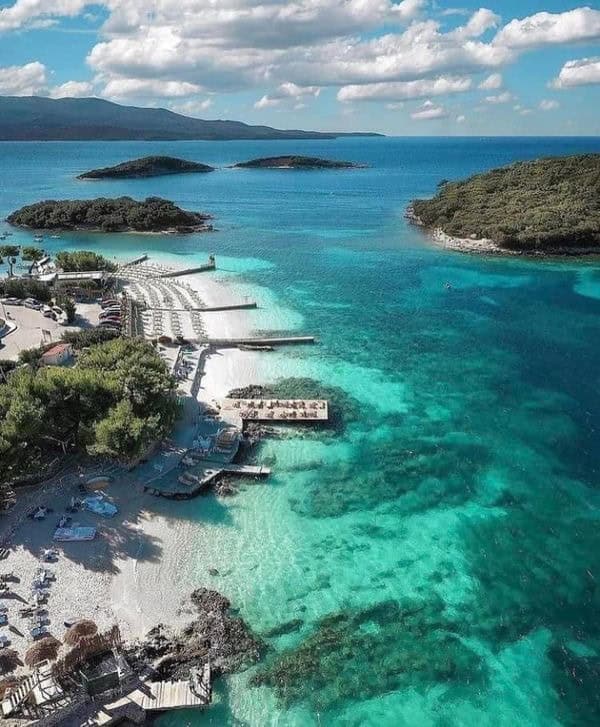
Once you’ve been cleared by your clinic around day five, consider heading south to experience Albania’s stunning coastline. The Albanian Riviera stretches along the Ionian Sea, offering crystal-clear turquoise waters and dramatic mountain backdrops.
Dhërmi and Himara feature beautiful pebble beaches with affordable beachfront accommodations and excellent seafood restaurants. The water is so clear you can see fish swimming around your feet, and the uncrowded beaches provide the perfect peaceful environment for recovery.
Sarandë serves as the gateway to even more spectacular locations like Ksamil, often called the “Caribbean of Europe” for its white sand beaches and vibrant blue waters. The nearby Butrint National Park offers ancient Greek and Roman ruins set in a stunning natural landscape.
The Albanian Riviera remains remarkably affordable compared to neighboring Greece and Croatia. You can enjoy beachfront dining, comfortable hotels, and boat trips to secluded coves without breaking your budget. It’s the perfect reward after your procedure.
UNESCO World Heritage Sites Worth Visiting
Albania boasts three UNESCO World Heritage Sites, each offering a glimpse into the country’s rich history spanning millennia.
Berat, known as the “City of a Thousand Windows,” features remarkable Ottoman-era architecture climbing steep hillsides. The white houses with their numerous windows create a stunning visual effect, especially when illuminated at sunset. The city’s castle district still houses families in buildings that are hundreds of years old.
Gjirokastër, another Ottoman stone city, was the birthplace of Albania’s former dictator Enver Hoxha and renowned writer Ismail Kadare. Its imposing fortress overlooks the valley, and the city’s characteristic stone roof tiles and Ottoman houses transport you back in time.
Butrint represents over 2,000 years of occupation, from Greek and Roman times through the Byzantine and Venetian periods. The archaeological site sits in a lagoon surrounded by forest, creating an atmospheric setting for exploring ancient theaters, temples, and fortifications.
Each of these sites makes an excellent day trip from either Tirana or coastal areas, adding cultural depth to your medical tourism experience.
Making Your Hair Transplant Journey Smooth and Successful
Choosing the Right Clinic and Surgeon
Not all Albanian hair transplant clinics offer the same quality, so research is essential. Start by looking for clinics with strong online reputations, detailed before-and-after portfolios, and transparent information about their surgeons’ qualifications.
Pay attention to patient reviews on independent platforms, not just testimonials on the clinic’s own website. Look for specific details about the experience rather than generic praise. Patients who had good results are usually happy to share their stories in detail.
Your surgeon’s experience matters more than the clinic’s marketing. Ask how many procedures they’ve personally performed, what techniques they specialize in, and whether they’ll be doing your entire procedure themselves or if technicians will handle some portions.
A reputable clinic will never pressure you into a quick decision. They should encourage you to take your time, ask questions, compare options, and only proceed when you feel completely confident. If anyone’s pushing for a deposit before you’re ready, that’s a red flag.

Understanding What’s Included in Your Package
Before committing to any clinic, get a detailed breakdown of what your package includes and excludes. This prevents unpleasant surprises and allows accurate price comparisons.
Most comprehensive packages cover the procedure itself with unlimited grafts up to what’s available in your donor area, all medications and post-operative care products, pre-operative consultation and final evaluation, and several nights of hotel accommodation with breakfast.
Transportation is usually included too, at minimum airport pickup and drop-off plus transfers to and from the clinic for your procedure and follow-up appointments. Some premium packages include a local SIM card, 24/7 patient concierge service, and even guided tours of Tirana.
Be clear about what’s not included, such as flights, meals beyond hotel breakfast, extended hotel stays, and any revision procedures if needed years later. Understanding the complete picture helps you budget accurately and avoid assumptions.
Medical Tourism Support Services
Working with experienced medical tourism facilitators can simplify your entire journey. These services specialize in coordinating every aspect of your trip, from initial clinic selection through post-operative care.
They can help you compare multiple clinics objectively, arrange virtual consultations with different surgeons, negotiate packages, and handle all booking and logistics. Having someone who speaks both your language and Albanian managing communications ensures nothing gets lost in translation.
During your stay, medical tourism coordinators serve as your local support system. They can handle any issues that arise, from changing hotel rooms to arranging extra clinic visits if you have concerns. This peace of mind is invaluable when you’re recovering in a foreign country.
The best part is these services are often provided at no additional cost. Clinics pay referral fees to medical tourism companies, so you benefit from expert guidance and support without paying extra for it.
Preparing for Long-Term Success
Your hair transplant results will last a lifetime, but maintaining them requires some attention. While the transplanted hairs are permanent and resistant to the hormone that causes male pattern baldness, your existing native hair may continue thinning over time.
Many surgeons recommend finasteride or minoxidil to help preserve your existing hair and potentially improve overall density. These medications are most effective when started young, ideally before significant hair loss occurs.
Proper hair and scalp care also matters. Use gentle shampoos, avoid excessive heat styling, protect your scalp from sun damage, and maintain a healthy diet rich in protein and vitamins that support hair growth.
Plan for potential future touch-ups. If you experience continued hair loss in untreated areas years after your transplant, you may want additional grafts to maintain a consistent appearance. Having realistic expectations about aging and hair loss helps you plan appropriately.
Most importantly, choose a lifestyle that supports your overall health. Hair loss is often influenced by stress, poor nutrition, smoking, and other factors you can control. Your hair transplant gives you back what was lost, but maintaining your health helps protect your investment for decades to come.

 English
  Italian
  Albanian
  Spanish
  German
  Greek
Greek  French
  Dutch
Dutch  Polish