
A hair transplant is one of the most effective long-term solutions for hair loss, offering natural-looking results that can last a lifetime when done correctly. Thousands of people across Europe are now choosing Albania as their destination for this procedure, combining world-class care with significant cost savings.
In this guide, we break down everything you need to know about the longevity of a hair transplant, from how it works to what affects how long your results will last.
What Is a Hair Transplant and How Does It Work?
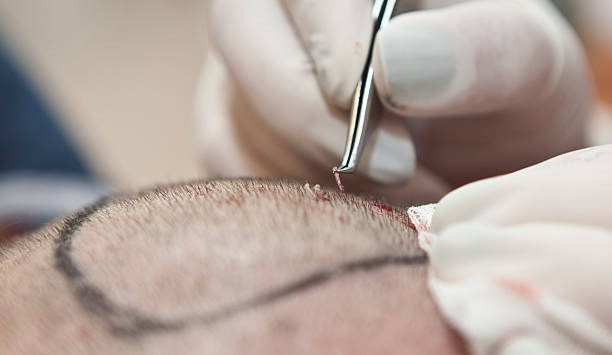
A hair transplant is a minimally invasive surgical procedure in which healthy hair follicles are harvested from a donor area, typically the back or sides of the scalp, where hair is naturally denser and more resistant to hair loss, and carefully implanted into areas experiencing thinning or complete baldness.
The transplanted follicles are selected specifically because they are genetically programmed to be resistant to dihydrotestosterone (DHT), the hormone primarily responsible for pattern hair loss in both men and women. This genetic resistance is the fundamental reason why transplanted hair tends to be a permanent solution rather than a temporary fix.
The most widely used techniques today include:
- FUE (Follicular Unit Extraction) — individual follicular units are extracted one by one using a micro-punch tool and then implanted into tiny incisions in the recipient area. This technique leaves no linear scar and allows for a faster recovery.
- DHI (Direct Hair Implantation) — follicles are extracted and implanted in a single step using a specialised pen-shaped device called a Choi implanter. This allows for greater control over angle, direction, and depth, resulting in a very natural appearance.
- DHI Plus Gold — an advanced version of DHI using gold-tipped implanter pens, which reduce trauma to the scalp and improve graft survival rates.
- Manual FUE — a highly refined version of FUE where the extraction is performed using hand-operated tools rather than motorised devices, allowing for greater sensitivity and precision during the procedure.
Each technique has its own advantages, and the best choice depends on the individual patient’s scalp condition, degree of hair loss, and aesthetic goals.
So, How Long Does a Hair Transplant Last?
The short answer is: for most patients, a hair transplant is permanent.
This is because the transplanted follicles retain their original genetic characteristics even after being moved to a new location on the scalp. Since they come from a DHT-resistant donor area, they are unlikely to be affected by the hormonal process that caused the original hair loss. Once the follicles have fully settled and established a blood supply in their new location, which typically takes between 12 and 18 months, the hair they produce is considered permanent.
Key points to understand:
- Transplanted hair is genetically resistant to DHT and will not fall out due to the typical pattern hair loss
- Results are considered lifelong for the vast majority of patients
- The transplanted area itself is unlikely to be significantly affected by future hair loss
- Non-transplanted areas of the scalp may continue to thin over time, especially without additional treatment
- Some patients choose to combine a transplant with medical treatments such as Minoxidil or Finasteride to protect surrounding native hair
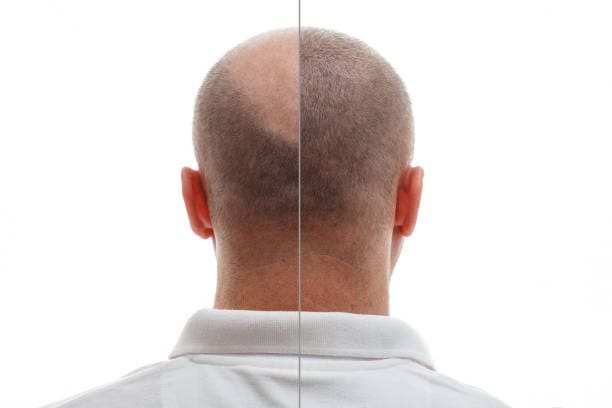
It is important to set realistic expectations: a hair transplant restores hair to treated areas permanently, but it does not stop the progression of hair loss in other areas of the scalp.
The Hair Growth Timeline After a Transplant
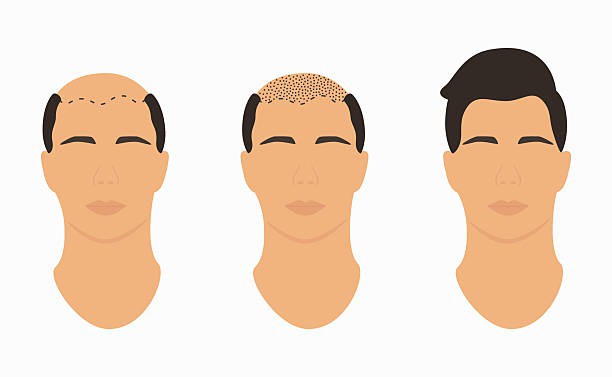
Understanding the post-operative timeline is essential for managing expectations and ensuring you follow the right care routine at each stage. Many patients become worried in the first few weeks when transplanted hair begins to shed, but this is a completely normal and expected part of the process.
Here is what you can typically expect:
- Days 1–7: Initial healing begins. Some redness, swelling, and scabbing around the grafts is normal. The scalp may feel tender and tight. Rest is important during this phase.
- Weeks 2–4: Transplanted hair begins to shed a process known as “shock loss.” This does not mean the transplant has failed; the follicles remain alive beneath the surface and will re-enter the growth cycle.
- Months 1–3: The scalp enters a resting (telogen) phase. Little to no visible growth is apparent. This is the most mentally challenging phase for patients, but it is completely normal.
- Months 3–6: New hair begins to emerge from the transplanted follicles. Growth is gradual and may appear uneven or thin at first. The hairline starts to take shape.
- Months 6–9: A noticeable improvement in density and coverage becomes visible. The hair starts to look more natural and consistent across the transplanted area.
- Months 9–12: Continued thickening and maturation of the transplanted hair. Most patients see dramatic improvement during this phase.
- Months 12–18: Full, final results are visible. The hair is thicker, denser, and blends naturally with existing hair. Most patients are extremely satisfied with the outcome at this stage.
Patience throughout this process is crucial. Rushing to evaluate results before 12 months can lead to unnecessary worry or disappointment.
What Factors Affect How Long Results Last?
While transplanted hair is inherently resistant to hair loss, several factors influence the overall quality, density, and longevity of the results.
1. The Technique and Clinic Quality
The method used and the expertise of the surgical team are among the most critical factors. Techniques like FUE, DHI, and Manual FUE are designed to maximise graft survival by minimising trauma to the follicles during extraction and implantation.
- A higher graft survival rate means denser, longer-lasting results
- An experienced surgeon ensures the correct angle, direction, and distribution of grafts for a natural look
- Poorly performed transplants can result in unnatural hairlines, low density, or patchy coverage that may require correction surgery
2. The Health and Density of the Donor Area
The donor area is the foundation of any successful hair transplant. Its density, hair calibre, and overall health determine how many grafts can be safely harvested and how effective the coverage will be.
- A strong and dense donor area provides more grafts and better long-term results
- Patients with very advanced hair loss (Norwood Scale 6–7) may have a limited donor supply, which can restrict the achievable results
- The health of the scalp and underlying follicles also plays a role in graft survival
3. Age at the Time of the Procedure
Age is a significant consideration, particularly for younger patients. Hair loss is a progressive condition, and undergoing a transplant too early can lead to complications as hair loss continues in non-transplanted areas.
- Patients in their early-to-mid 20s may see their hair loss pattern continue to evolve after surgery, potentially creating an unnatural contrast between transplanted and thinning areas
- Most specialists recommend waiting until the hair loss pattern has stabilised before proceeding
- A skilled surgeon will design a hairline that anticipates future loss, ensuring the result looks natural for decades to come
4. Post-Operative Care and Aftercare Compliance
The way a patient cares for their scalp in the weeks and months following surgery has a direct impact on graft survival and the long-term quality of results.
Essential post-operative guidelines include:
- Avoid direct sun exposure on the scalp for at least 4 weeks after surgery
- Do not touch, scratch, or rub the transplanted area, especially in the first 10 days
- Sleep with your head elevated at approximately 45 degrees for the first week to reduce swelling
- Avoid intense physical exercise, sweating, and saunas for at least 3 weeks
- Use only the gentle, clinic-approved shampoos provided during the healing period
- Attend all follow-up appointments and communicate any concerns to your medical team promptly
- Avoid alcohol and smoking in the weeks surrounding the procedure, as both can impair healing
5. Lifestyle, Nutrition, and General Health
Overall health and lifestyle habits play a supporting but important role in how well your transplant heals and how long the results last.
- Smoking significantly reduces blood flow to the scalp, impairing oxygen delivery to newly implanted follicles and reducing survival rates
- Poor nutrition, particularly deficiencies in iron, zinc, biotin, and protein, can weaken hair growth and slow the recovery process
- Chronic stress is linked to a condition called telogen effluvium, which can cause widespread hair shedding and may affect both native and transplanted hair
- Underlying medical conditions, such as thyroid disorders, autoimmune conditions, or hormonal imbalances, can impact hair growth and should be assessed before proceeding with a transplant
Will You Ever Need a Second Hair Transplant?
Many patients achieve their desired aesthetic results with a single session and never require further treatment. However, some individuals may choose or need a second procedure at some point in the future.
Common reasons for considering a second transplant include:
- Ongoing natural hair loss in areas of the scalp that were not treated in the first session
- Desire for greater density in the transplanted zone, particularly in patients with extensive hair loss
- Corrective work following a poorly executed transplant from another clinic
- New areas of thinning that develop years after the original procedure, as the natural ageing process continues
This is precisely why choosing the right team for your first procedure is so important. A well-planned transplant, one that accounts for your full hair loss trajectory, preserves the donor area, and uses the most appropriate technique, significantly reduces the likelihood of needing revision work in the future.
Hair Transplant in Albania: A Leading Destination in Europe
Albania has firmly established itself as one of Europe’s premier destinations for hair transplantation, attracting patients from the UK, Italy, Germany, Greece, France, and beyond. The reasons are clear: world-class surgical expertise, state-of-the-art technology, and costs that are up to 70% lower than in Western Europe without any compromise on quality.
What makes Albania stand out as a destination:
- Significant cost savings — up to 70% less than equivalent procedures in the UK, Germany, or Italy
- Highly experienced surgeons who have trained at leading international universities and clinics
- Full range of modern techniques, including FUE, DHI Plus Gold, Manual FUE, beard transplant, and eyebrow transplantation
- EU-certified materials and strict international safety and sterilisation protocols
- Personalised, attentive care from your very first consultation through to full recovery and aftercare
- Seamless medical tourism experience, including assistance with accommodation, transport, and travel logistics
- A beautiful destination — Albania offers a stunning Adriatic coastline, UNESCO heritage sites, vibrant culture, and exceptional cuisine, making it the perfect place to recover in comfort
Medical Tourism in Albania connects patients with the best clinics in the country, ensuring that every aspect of the experience, from the initial enquiry to the final follow-up, is handled with professionalism and care.
Frequently Asked Questions
Is a hair transplant really permanent?
In the vast majority of cases, yes. The transplanted follicles are genetically resistant to DHT, the hormone responsible for typical pattern hair loss. Once established, they are designed to last a lifetime.
When will I see the final results of my hair transplant?
Most patients see their full, final results between 12 and 18 months after the procedure. Visible improvement begins around months 3 to 6.
Is the hair transplant procedure painful?
The procedure is performed under local anaesthesia, so discomfort during surgery is minimal. Some tenderness, tightness, and mild swelling in the days following is normal and easily managed with prescribed medication.
Can women get a hair transplant?
Absolutely. Hair transplants are highly effective for women experiencing thinning or diffuse hair loss, and techniques are adapted to suit the specific needs of female patients.
What is the minimum age for a hair transplant?
Most clinics recommend waiting until at least the mid-to-late 20s, when the hair loss pattern has become more stable. A thorough consultation with a specialist is the best way to assess readiness.
How do I know if I am a good candidate for a hair transplant?
The best way is through a detailed consultation with a specialist. Key factors evaluated include the density of the donor area, the extent and pattern of hair loss, overall health, and the patient’s aesthetic goals.
Final Thoughts
A hair transplant, when performed by experienced and skilled hands using the latest techniques, is one of the most durable and rewarding cosmetic procedures available. The results are natural, long-lasting, and in the vast majority of cases, permanent. Success depends on choosing the right clinic, the right technique, and committing to proper aftercare throughout the recovery process.
Albania has become a leading name in hair transplantation across Europe — offering exceptional clinical quality, highly competitive pricing, and a seamless, supportive experience for international patients from start to finish.
If you are considering a hair transplant and would like expert guidance tailored to your individual situation, Medical Tourism in Albania is here to support you at every step of the journey.

 English
  Italian
  Albanian
  Spanish
  German
  Greek
Greek  French
  Dutch
Dutch  Polish