
Plastic surgery in Albania has experienced a considerable rise in popularity over the last years, becoming one of the most requested destinations for plastic surgery in the region. More and more international and local patients are choosing Albania for different cosmetic procedures, benefiting from the competitive costs and increasing quality of medical services.
Plastic Surgery In Albania
The plastic surgery in Albania has experienced a visible transformation during the last decade. Modern clinics are equipped with advanced technology, and the standards of care have experienced a significant improvement to fulfill the requests of local and international patients.
The most popular procedures include:
- Rhinoplasty – nose surgery remains the most popular procedure, especially amongst younger patients who want to improve their facial profile.
- Abdominoplasty – this is a body surgery that removes excess skin on the belly and tones the muscles, highly requested after pregnancy or a considerable amount of weight loss.
- Breast surgery – breast augmentation, reduction, or lifting are common procedures that address both aesthetic and functional issues.
- Liposuction – excess fat extraction from different areas of the body by using minimally invasive techniques.
- Blepharoplasty – eyelid surgery for a younger and awakened appearance.
- Facelift and antiaging procedures – these procedures prolong aging signs and promote skin regeneration.
Is Plastic Surgery In Albania Safe?
The safety of every surgical procedure will depend on several factors that should be carefully considered. The surgeon’s qualification, cost of the clinic, and hygiene standards are essential for the procedure’s success and safety.
The main factors affecting safety:
- Licensing and accreditation – the clinic and surgeons must have valid licenses from the Ministry of Health and be registered with the Order of Physicians of Albania.
- Professional experience – surgeons with long experience and specialization in plastic and reconstructive surgery offer greater guarantees of positive results.
- Clinic conditions – sterile environments, modern equipment, and adherence to safety protocols are prerequisites for minimizing risks.
- Use of anesthesia – the presence of a qualified anesthesiologist and constant monitoring during the operation are crucial for patient safety.
- Post-operative care – having a support team for the recovery phase is as important as the surgery itself.

Standards And Regulations Of Plastic Surgery In Albania
The healthcare system in Albania operates under a legal framework that aims to ensure patient safety. However, the implementation of these standards can vary from clinic to clinic, making it necessary for patients to conduct careful research.
Regulatory aspects you should verify:
- Clinic certifications – make sure the clinic has all the necessary permits to perform surgical procedures.
- Medical staff qualifications – verify the surgeon’s credentials, including education, specialisations, and membership in professional associations.
- Safety protocols – ask the clinics about the measures that should be taken to prevent infections and complications.
- Treating emergencies – understand the protocols used for the management of possible complications during and after the procedure.
Choosing The Right Plastic Surgeon In Albania
The most important decision you have to make is choosing the right surgeon to perform your procedure. This process takes time, research, and detailed consultations to find a professional who fulfills your needs and expectations.
Steps that will help you choose the right surgeon:
- Look for recommendations – speak with friends, family members, or other medical professionals who can recommend trustworthy plastic surgeons.
- Verify the surgeon’s credentials – make sure the surgeon is licensed, is specialized in plastic surgery, not general surgery.
- Take a look at their portfolio – look for before and after pictures of previous procedures to assess the quality of the surgeon’s work.
- Read reviews – read previous patients’ experiences, but keep in mind that not all online reviews are trustworthy.
- Plan a consultation – consult at least 2 to 3 surgeons before you make the final decision.
- Assess their communication – choose a surgeon who listens to your worries, clearly answers your questions, and creates a relationship of trust.
Pre-Operative Consultation: What To Expect
The first consultation with your surgeon is a critical step in the process of plastic surgery. This meeting should be detailed and include a full discussion on expectations, risks, and the procedure itself.
Issues to be discussed during the consultation:
- Your goals and expectations – be clear and realistic about what you want to achieve with this procedure.
- Medical history – share full information on your health, medications you use, and every existing medical condition.
- Physical examination – the surgeon will examine the treated area and discuss the possible options
- Surgical technique – ask about the specific method that will be used during your surgery and find out why this is so suitable in your case.
- Risks and complications – require a clear explanation of the possible risks, complications, and how they can be managed.
- Recovery time – ask how long the recovery will take and when you can return to normal everyday activities.
- The total cost – get a detailed quote that includes all expenses, including the surgeon’s fee, anesthesia, clinic, and post-operative care.
Possible Risks And Complications
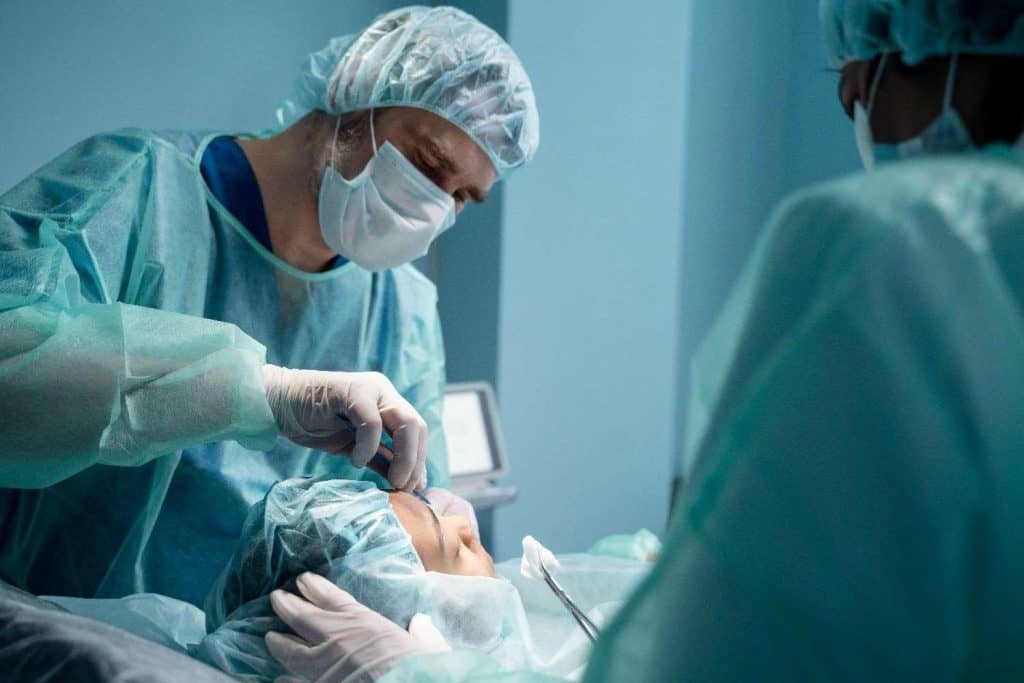
Like any other surgical procedure, plastic surgeries have their own risks that you should be aware of before you go on with your decision. Transparency regarding possible complications is a sign of a trustworthy surgeon.
General risks include:
- Infection – the risk of infections can be minimized with the right hygiene, antibiotics, and good post-operative care.
- Bleeding and hematomas – blood clotting under the skin can require additional treatments.
- Anesthesia issues – reactions to anesthesia are rare but still possible, emphasizing the importance of a qualified anesthetist.
- Scarring – all incisions leave scars, but modern techniques and proper care can minimize them.
- Asymmetry and not pleasant results – sometimes the result might not be what is expected, requiring additional corrections.
- Deep vein thrombosis – blood clot formation is a serious risk that requires preventive measures such as early movement after surgery.
- Tissue necrosis – in rare cases, the tissues might not get enough blood supply and die.
Medical Tourism: What International Patients Should Consider
Albania has become a well-known destination for medical tourism, attracting patients from all over the world. The lower costs combined with good treatment quality are appealing to many.
Benefits of medical tourism in Albania:
- Competitive costs – cosmetic procedures in Albania often cost 40-70% less than in countries of Western Europe, including countries such as Italy, Greece, or Germany.
- Less waiting period – you can plan your procedure much quicker than you would in other countries.
- Vacation opportunity – You can combine your treatment with a visit to the beautiful beaches and historic cities of Albania.
- Multilingual personnel – many clinics have a staff that easily communicates in English, Italian, and other languages to make communication easier.
Preparing For Plastic Surgery
The right preparation before the procedure is essential for successful results. Your surgeon will provide specific instructions based on the procedure you will undergo, but there are some general principles that apply to all interventions.
General pre-operative instructions:
- Quit smoking – smoking will prolong healing and increase the risk of complications, so it should be stopped at least 4-6 weeks before the procedure.
- Avoid blood-thinning medications – aspirin, ibuprofen, and other natural supplements and increase bleeding.
- Have a companion – make sure you have someone to help you during the first days after surgery.
- Clean the house – create a comfortable area to recover and have all the necessary materials near.
- Fasting – follow the surgeon’s instructions about food and diet before the administration of anesthesia. Usually, you should fast for 8-12 hours before surgery.
- Antibacterial soap shower – this can help reduce the risk of infection.
- Wear comfortable clothes – choose loose and light clothes to wear on the day of the procedure.

Recovery And Post-Operative Care
The recovery phase is as important as the procedure for the achievement of optimal results. Following the surgeon’s instructions and good care are essential for a successful recovery.
Early Stages Of Recovery (First Weeks):
- Pain management – take prescribed medications according to the surgeon’s recommendations, dont wait until the pain becomes unbearable.
- Limit physical activity – rest as much as possible and avoid strenuous activities or lifting weights.
- Keep the area clean – carefully follow instructions for washing and caring for the wound to prevent infections.
- Wear compressive garments – if advised, these compressive garments help reduce swelling and support proper healing.
- Monitor the complication signs – immediately contact your surgeon if you notice excessive swelling, bruising, high fever, or increasing pain.
- Dont remove the bandage by yourself self- only the surgeon himself or their medical staff should remove the bandages and incisions.

Long-Term Recovery (Months After The Procedure):
- Gradually return to physical activity – start slowly with light exercise if the surgeon approves.
- Project the skin from the sun – new scars are sensitive to the sun and can become darker if they are not protected.
- Eat healthy – a diet rich in proteins, vitamins, and minerals promotes faster healing.
- Stay hydrated – drink a lot of water to help your body during the recovery process.
- Always be patient – the final results of plastic surgery are not visible immediately, but they will be clear only a few months after the swelling has completely down.
- Attend follow-up check-ups – do not neglect the visits with your sugreon for continuous monitoring of your progress.
Frequently Asked Questions
How Long Will The Recovery After Plastic Surgery Last?
The recovery time will change depending on eh procedure. Small procedures such as injections might require just a couple of days, while more complex surgeries such as abdominoplasty might require 4-6 weeks before you will be able to return to normal activities.
Can I Combine Several Cosmetic Procedures At The Same Time?
Yes, many patients choose to combine their procedures to reduce the total recovery time and costs. However, this will depend on your general health and the surgeon’s recommendations since different procedures increase the duration of anesthesia and stress on the body.
What Happens If I’m Not Pleased With The Results?
Immediately contact your surgeon if you are having any issues. Many clinics offer free corrections or a discount if the results are not what you expected, but this should be discussed and included in the contract before the procedure is performed.
Is It Safe To Have Plastic Surgery If I Have Other Health Conditions?
This will depend on the specific health condition you might have. Conditions such as diabetes, cardiovascular disease, or issues with blood coagulation can increase the risk of complications and require careful assessment before proceeding any further.
If you are interested in learning more about Plastic surgery in Albania and the treatments we offer, contact Medical Tourism Albania today!

 English
  Italian
  Albanian
  Spanish
  German
  Greek
Greek  French
  Dutch
Dutch  Polish