
Albania has quickly become one of Europe’s top destinations for plastic surgery, attracting thousands of international patients each year with high medical standards, modern clinics, and accessible pricing. Understanding what influences the cost of cosmetic procedures in Albania helps patients make informed decisions and confidently plan their aesthetic journey.
Economic Factors That Affect The Cost
The Cost of Living
Albania’s lower cost of living compared to Western European countries plays a major role in making plastic surgery more accessible. Reduced taxes, lower business expenses, affordable real estate, and decreased utility and infrastructure costs allow medical facilities to operate efficiently without inflating prices.
This economic environment benefits both local and international patients and does not compromise quality, as it reflects Albania’s overall economic structure rather than reduced medical standards.

Medical Professional Compensation
Healthcare professional salaries in Albania are lower than in countries such as the UK, Germany, or the United States, largely due to local economic conditions. Many Albanian plastic surgeons receive international training and hold respected certifications, yet their compensation aligns with the local market and cost of living.
These differences allow clinics to offer more accessible pricing while maintaining high levels of expertise, with the resulting cost savings passed directly on to patients.
Facility Operating Costs
The cost of operating medical facilities in Albania is significantly lower than in major Western cities, influencing overall procedure pricing. Expenses such as rent, utilities, maintenance, insurance, and regulatory compliance are more affordable, enabling clinics to invest in modern equipment and high standards of patient care.
Even in Tirana, facility costs remain far lower than in cities like London or Paris, allowing clinics to meet international standards while maintaining competitive pricing.
Clinic and Surgeon Factors
The surgeon’s experience and the clinic’s standards have a direct impact on the cost of plastic surgery in Albania. Surgeons with international training, advanced certifications, and extensive experience typically charge more, reflecting their skill level and consistency of results.
Clinics that invest in modern facilities, strict safety protocols, and high-quality equipment also factor these costs into pricing. Despite this, lower operating expenses in Albania allow top surgeons and clinics to remain more accessible than in Western Europe.
Key factors include:
- Surgeon’s experience and specialization
- International training and certifications
- Professional memberships and credentials
- Clinic accreditation and safety standards
- Technology and medical equipment used
Procedure-Specific Factors
Type and Complexity of Surgery
Different cosmetic procedures vary greatly in complexity, and this directly affects overall cost. Simpler treatments usually require less surgical time, smaller teams, and minimal recovery, while complex surgeries involve advanced techniques, longer operations, and more intensive aftercare. As complexity increases, so do the resources, expertise, and monitoring required before and after surgery.
Examples include:
- Simple to moderate procedures: non-surgical treatments, minor liposuction, basic augmentations, simple scar revisions
- Complex procedures: comprehensive facelifts, bone contouring, major body contouring, breast reconstruction, complex or revision rhinoplasty
- Factors that increase complexity: longer surgery time, advanced anesthesia needs, larger surgical teams, specialized equipment, and extended recovery
Surgical Technique Selection
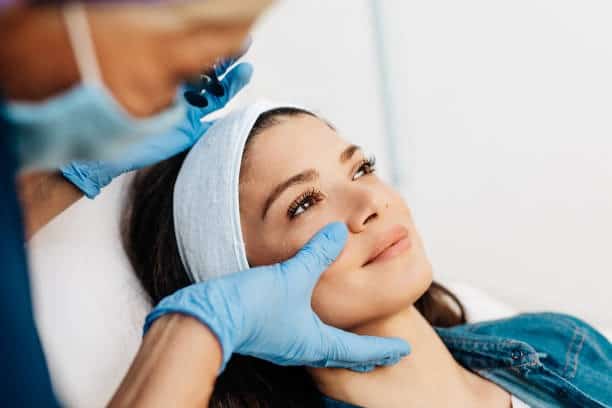
The technique chosen for a procedure plays an important role in determining cost, as different approaches require varying levels of skill, time, and technology. Advanced or specialized techniques typically involve longer operations and more detailed surgical work.
Technique-related factors include:
- Rhinoplasty methods (closed, open, preservation, ethnic, revision)
- Liposuction techniques (traditional, laser-assisted, ultrasound-assisted, high-definition)
- Breast surgery approaches (incision type and implant placement)
- Use of specialized equipment or newer technologies
Volume and Extent of Treatment
The amount of work performed during surgery significantly influences final costs. Treating larger areas, removing more tissue, or combining multiple procedures increases surgical time, anesthesia duration, and post-operative care requirements.
Key considerations include:
- Single-area versus multi-area liposuction
- High-volume fat removal or full-body contouring
- Extent of tissue removal and lifting in breast reduction
- Combined procedures, such as mommy makeovers or full facial rejuvenation
- Increased recovery needs and follow-up care for extensive treatments
Post-Operative Care and Follow-Up
Immediate Post-Operative Care
The quality of care immediately after surgery plays a major role in healing and overall results. This phase typically includes recovery room monitoring, nursing support, pain and nausea management, wound care, drain management when necessary, and close observation during the first 24 to 48 hours to ensure a safe and stable recovery.
Follow-Up Appointment Structure
Follow-up care is essential for monitoring healing and preventing complications. Packages often include scheduled check-ups at key stages such as one week, one month, and several months after surgery, with visits that may involve wound assessment, progress evaluation, and direct access to the surgeon or nursing staff. Many clinics also offer remote follow-ups for international patients using photos or video consultations.

Extended Care Provisions
Extended aftercare services can significantly improve comfort and long-term outcomes. These may include compression garments, scar management treatments, lymphatic drainage massages, physical therapy for mobility-focused procedures, nutritional guidance, and psychological support when needed, all contributing to smoother recovery.
Long-Term Monitoring
Long-term follow-up ensures results remain stable and any late concerns are addressed. This may involve one-year assessments, ongoing outcome tracking, implant monitoring for breast procedures, clear revision policies, and continued access to surgeon consultations, offering reassurance well beyond the initial recovery period.
Revision Surgery Considerations
While most procedures achieve excellent results, some patients may desire or require revision surgery.
Primary vs. Revision Surgery:
- Revision procedures are typically more complex
- May require correcting scar tissue from previous surgery
- Often involve more technical challenges
- Usually require longer operative time
- May need specialized techniques
Revision Surgery Cases:
- Minor adjustments for aesthetic refinement
- Correction of complications
- Addressing the asymmetry that develops
- Capsular contracture treatment (breast implants)
- Implant replacement or removal
Revision rhinoplasty, for example, represents one of the most technically demanding procedures in plastic surgery. The nose has already been altered, scar tissue has formed, and structural support may be compromised. Surgeons who specialize in revision rhinoplasty typically charge premium fees reflecting this expertise.
Patient-Specific Complexity Factors
Anatomical Considerations
Individual anatomy can significantly affect how complex a procedure becomes. Factors such as asymmetry, previous surgeries, scar tissue, unusual structural features, and skin quality may require a more customized surgical approach, increasing operative time and technical demands.
Medical History Factors
A patient’s medical background plays an important role in surgical planning and recovery. Chronic conditions, certain medications, smoking, past anesthesia reactions, or bleeding and clotting disorders may require additional precautions, monitoring, or specialized care, all of which can influence overall costs.
Combined Functional and Aesthetic Goals
When surgery addresses both function and appearance, complexity often increases. Procedures such as rhinoplasty for breathing and aesthetics or breast reduction for physical discomfort and shape typically require more extensive planning, advanced techniques, and careful follow-up to achieve balanced results.
Body Mass Index (BMI) Considerations
Body weight and composition can impact surgical complexity and recovery. Higher BMI may affect anesthesia management, healing time, complication risk, and equipment needs, potentially increasing surgical time and post-operative care requirements.
Understanding the Cost-Quality Relationship
Lower Cost Does Not Mean Lower Quality
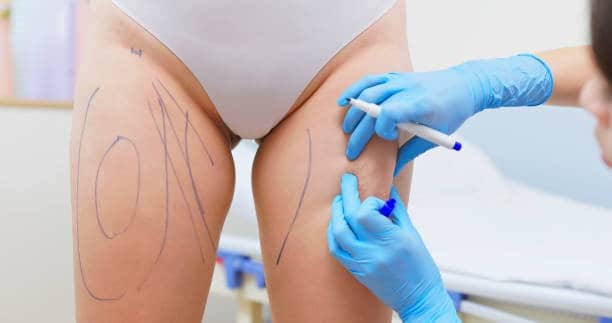
Lower plastic surgery costs in Albania are driven by economic factors rather than reduced medical standards. A lower cost of living, reduced operational and real estate expenses, favorable currency exchange, and lower administrative and tax burdens allow clinics to offer competitive pricing without cutting corners.
At the same time, quality remains high due to strong professional standards, patient outcome focus, and Albania’s growing medical tourism reputation. These cost differences reflect the country’s economic environment, not a compromise in safety, materials, or expertise.
International Standards and Materials
Albanian clinics use the same high-quality materials and medical products found in leading international facilities. FDA-approved implants, European CE-certified devices, premium sutures, and advanced anesthesia medications are widely used to ensure safety and durability.
Clinics also operate with modern technology, including advanced laser systems, imaging equipment, and state-of-the-art operating rooms. Many partner with the same suppliers as top Western hospitals, ensuring equivalent quality at lower overall costs.
Surgeon Training and Expertise
Albanian plastic surgeons often have extensive international education and hands-on experience. Many have trained at respected European universities and completed fellowships in countries such as Italy, Germany, the UK, or the United States, staying up to date with the latest techniques.
Their expertise is validated through board certifications, international society memberships, published research, conference participation, and strong before-and-after portfolios. This combination of global training and local economic advantages allows patients to access premium-level care at more accessible price points.
Making The Right Decision
Choosing plastic surgery in Albania requires more than comparing options—it involves evaluating the surgeon, the clinic, and the overall experience. Taking a structured approach helps ensure safety, realistic expectations, and long-term satisfaction with your results.
How to Evaluate Your Options
A thorough evaluation should look at professional credentials, clinic standards, and what is included in the treatment plan, not just the procedure itself.
Key areas to assess:
- Surgeon: education, international training, experience with your specific procedure, certifications, before-and-after results, patient reviews, and communication style
- Clinic: accreditation, operating room standards, hygiene protocols, emergency preparedness, patient comfort, and accessibility
- Package: inclusions, post-operative care, follow-up schedule, revision policy, accommodation quality, and full cost transparency
- Personal factors: travel logistics, recovery environment, time away from work, language comfort, and support system availability
Questions to Ask During Consultation
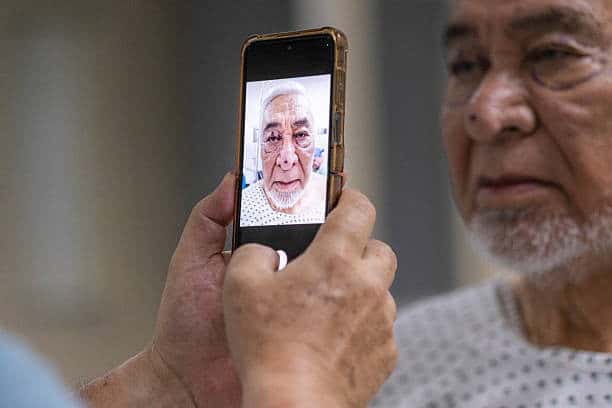
Clear questions help you understand what to expect and avoid surprises. Use consultations to assess both expertise and trust.
Important questions include:
- Surgeon’s training, experience, and complication management
- Recommended technique and why it suits your goals
- Surgery duration, anesthesia type, recovery timeline, and risks
- What is included in the price, possible extra costs, and revision policies
- Follow-up care structure and support after returning home
Planning Your Medical Tourism Journey
Proper planning makes the experience smoother and reduces stress before and after surgery.
Before traveling:
- Research multiple clinics and surgeons
- Arrange virtual consultations and written quotes
- Verify credentials and read patient reviews
- Plan time off and recovery support
During your stay:
- Follow pre- and post-operative instructions carefully
- Attend all appointments and communicate concerns
- Allow time for rest and proper healing
After returning home:
- Stay in contact with your surgeon
- Attend follow-up visits as scheduled
- Monitor recovery and report concerns early
- Follow long-term care instructions to protect your results
Taking a thoughtful, organized approach helps you make confident decisions and ensures your surgical journey in Albania is safe, smooth, and rewarding.
In Conclusion
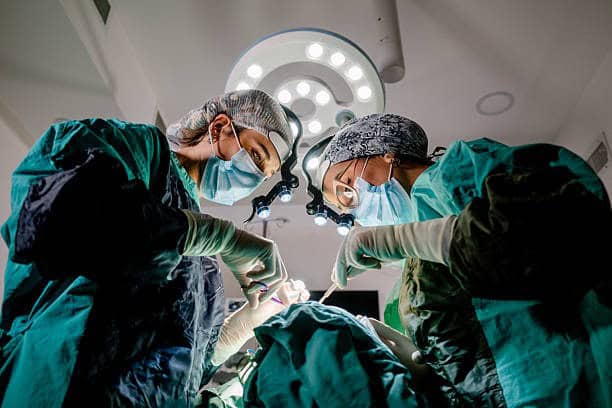
Understanding what affects plastic surgery costs in Albania helps you make confident, informed decisions about your aesthetic journey. Lower prices reflect economic advantages—not reduced quality—while factors such as surgeon expertise, clinic standards, procedure complexity, and package inclusions all play an important role in overall value.
By focusing on transparency, experience, and comprehensive care rather than price alone, patients can safely achieve high-quality results in Albania. With internationally trained surgeons, modern facilities, and European medical standards, Albania offers a smart and reliable choice for those seeking excellent outcomes at accessible rates.
Frequently Asked Questions
What Are The Main Factors That Affect Plastic Surgery Costs?
Plastic surgery costs are influenced by surgeon experience, clinic standards, procedure complexity, anesthesia, facility fees, and the level of pre- and post-operative care included.
Does A Higher Price Always Mean Better Quality?
Not necessarily. Higher costs may reflect location or overhead expenses rather than superior results. Quality depends more on surgeon’s expertise, safety standards, and materials used.
Why Do Plastic Surgery Costs Vary By Country?
Costs differ due to economic factors such as cost of living, operating expenses, taxes, and salaries. Countries with lower baseline costs can offer the same procedures at more accessible rates.
How Does The Surgeon’s Experience Affect The Price?
Surgeons with extensive experience, international training, and a strong track record often charge more due to their expertise and consistency of results.
Do Complex Procedures Cost More Than Simpler Ones?
Yes. Procedures that require longer surgery time, advanced techniques, specialized equipment, or extended recovery naturally increase overall costs.
What Role Do Clinic Standards And Technology Play In Pricing?
Clinics that invest in modern equipment, strict hygiene protocols, and international accreditation may have higher costs, reflecting safety and quality rather than luxury.
Are All-Inclusive Packages A Better Value In Albania?
Often, yes. Comprehensive packages that include surgery, anesthesia, aftercare, accommodation, and follow-up visits can offer better overall value than lower base prices with hidden extras.
Does Post-Operative Care Affect The Total Cost?
Yes. High-quality aftercare, follow-up visits, and long-term monitoring improve outcomes and may increase initial costs but reduce the risk of complications or revisions.
Can Personal Health Factors Change The Cost?
Individual anatomy, medical history, smoking status, or higher BMI can increase surgical complexity, affecting time, resources, and overall pricing.
How Can I Make Sure The Price Quoted Is Transparent?
Always request a detailed cost breakdown, ask what is included, clarify potential additional costs, and review revision and follow-up policies before making a decision.

 English
  Italian
  Albanian
  Spanish
  German
  Greek
Greek  French
  Dutch
Dutch  Polish