
Revision rhinoplasty abroad requires precision, advanced surgical skill, and true expertise. Correcting a previous nose surgery is far more complex than a first-time procedure, which is why choosing the right surgeon matters more than ever.
Through Medical Tourism Albania, patients connect with experienced rhinoplasty specialists, modern European-standard clinics, and affordable pricing, combining safety, expertise, and confidence in one trusted destination.
What Is Revision Rhinoplasty? Understanding Secondary Nose Surgery
Revision rhinoplasty is a secondary nose surgery performed to correct or improve the results of a previous rhinoplasty. It may address cosmetic concerns, functional breathing issues, or complications from the initial procedure.
Unlike primary rhinoplasty, revision surgery is more complex because the nasal structure has already been altered. Scar tissue, weakened cartilage, or structural damage can make the procedure technically demanding.
The goal of revision rhinoplasty is to restore balance, function, and natural appearance while correcting previous imperfections. Because of its complexity, it requires a highly experienced surgeon with advanced reconstructive skills.
Why Revision Rhinoplasty Is More Complex Than Primary Nose Surgery
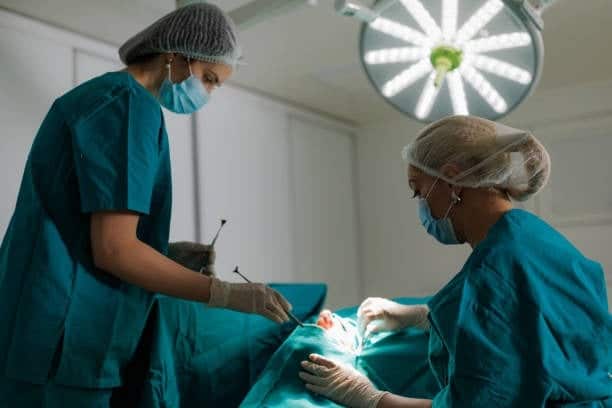
Revision rhinoplasty is significantly more challenging than a first-time nose surgery because the nasal structure has already been altered. The surgeon must work with existing scar tissue, reduced cartilage, and sometimes weakened structural support.
In primary rhinoplasty, the anatomy is untouched and more predictable. In revision cases, the internal framework may be distorted, making precision and planning far more critical.
Often, additional cartilage grafts are required to rebuild or reinforce the nose. This reconstructive aspect adds another level of complexity that demands advanced surgical expertise and experience.
Why Patients Seek Revision Rhinoplasty Abroad
Unsatisfactory Results from Previous Surgery
- Persistent cosmetic concerns after primary rhinoplasty
- Asymmetry or unnatural nose shape
- Over reduction or structural collapse
Breathing Difficulties
- Ongoing nasal obstruction
- Functional issues caused by prior surgery
- Need for both cosmetic and functional correction
Access to More Experienced Surgeons
- Search for specialists focused on complex revision cases
- Desire for advanced reconstructive techniques
- Preference for surgeons with international experience
Affordable Yet High Quality Treatment
- Lower overall costs compared to Italy
- Competitive pricing without inflated healthcare system fees
- Ability to combine surgery with structured medical travel
The Risks of Choosing an Inexperienced Surgeon for Nose Revision
Revision rhinoplasty is one of the most technically demanding facial surgeries, and choosing an inexperienced surgeon can significantly increase the risk of complications.
Because the nasal structure has already been altered, even small surgical mistakes can lead to visible deformities, breathing problems, or the need for further corrective procedures.
- Worsening of existing cosmetic issues
- Structural collapse due to weak cartilage support
- Persistent or increased breathing difficulties
- Overcorrection or unnatural nasal shape
- Excessive scar tissue formation
- Higher likelihood of needing a third surgery
- Emotional stress and financial loss
Experience, precision, and advanced reconstructive skill are critical factors in achieving a successful revision outcome.
Why Surgical Experience Matters in Complex Rhinoplasty Cases
- Advanced Understanding of Altered Anatomy: An experienced surgeon knows how to navigate scar tissue and previously modified nasal structures safely and precisely.
- Ability to Rebuild Structural Support: Complex cases often require cartilage grafting and reconstruction, which demand high-level technical skill.
- Better Functional Correction: Skilled surgeons can address both cosmetic concerns and breathing issues at the same time.
- Reduced Risk of Further Complications: Experience lowers the chances of overcorrection, asymmetry, or structural instability.
- Improved Aesthetic Judgment: Years of specialized practice help surgeons create natural, balanced, and harmonious facial results.
- Strategic Surgical Planning: Experienced rhinoplasty specialists develop detailed, personalized plans tailored to complex revision needs.
Structural Challenges in Revision Rhinoplasty Procedures
Revision rhinoplasty presents unique structural challenges because the nose has already been surgically altered. The natural anatomy may no longer be intact, making precision and careful planning essential.
One of the main difficulties is the presence of scar tissue, which can reduce skin flexibility and limit surgical visibility. Scar tissue also makes dissection more delicate and increases the technical complexity of the procedure.
Another common challenge is weakened or insufficient cartilage. In many revision cases, cartilage was removed during the first surgery, requiring the surgeon to use grafts from the septum, ear, or rib to rebuild support.
Maintaining both structural stability and natural aesthetics is critical. The surgeon must restore strength to the nasal framework while ensuring the final shape looks balanced and harmonious with the face.
Advanced Techniques Used in Secondary Rhinoplasty
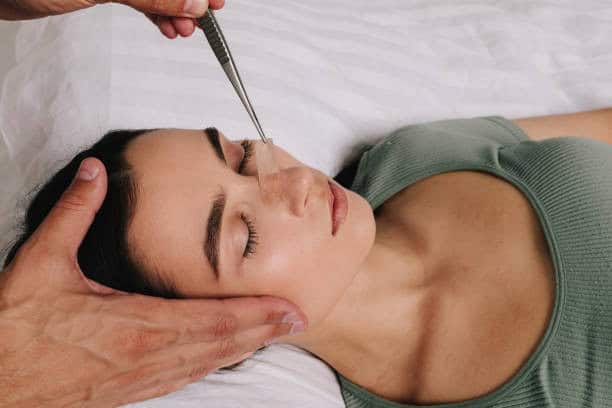
- Cartilage Grafting: Cartilage is taken from the septum, ear, or rib to rebuild and strengthen weakened nasal structures.
- Structural Reinforcement Techniques: Specialized grafts are used to support the nasal tip and bridge to prevent collapse.
- Scar Tissue Management: Careful dissection techniques are applied to navigate and minimize internal scar tissue.
- Open Rhinoplasty Approach: An open technique may be used to provide better visibility and precision in complex cases.
- Septal Reconstruction: The internal nasal septum is reshaped or rebuilt to improve breathing and stability.
- Dorsal Reconstruction: The nasal bridge is corrected using grafts or reshaping methods to restore smooth contour.
- Tip Refinement Techniques: Advanced suturing and graft placement are used to improve nasal tip projection and symmetry.
Cartilage Grafting and Reconstruction Explained
Cartilage grafting is a key technique in revision rhinoplasty when the nose lacks proper structural support. If too much cartilage was removed during the first surgery, the nose may appear collapsed, asymmetrical, or unstable.
To correct this, surgeons use cartilage taken from the patient’s own body, most commonly from the nasal septum, ear, or rib. This cartilage is carefully shaped and placed to rebuild the internal framework of the nose.
Reconstruction is not only about appearance but also function. Proper graft placement restores strength, improves breathing, and helps create a natural and balanced nasal shape.
Because grafting requires precision and advanced skill, it is one of the main reasons revision rhinoplasty should be performed by an experienced specialist.

Functional vs Aesthetic Corrections in Revision Nose Surgery
Revision rhinoplasty often involves correcting both functional and aesthetic issues from a previous surgery. While some patients are unhappy with the visual result, others struggle with breathing problems that developed after their initial procedure.
Functional corrections focus on restoring proper airflow and internal nasal structure. This may involve repairing a deviated septum, reinforcing weakened cartilage, or reopening collapsed nasal passages to improve breathing.
Aesthetic corrections address visible concerns such as asymmetry, irregular contours, over-reduction, or an unnatural nasal tip. The goal is to create a more balanced and harmonious appearance that fits the patient’s facial features.
In many cases, the best revision outcomes combine both functional and cosmetic improvements, ensuring the nose looks natural while also working properly.
What Makes Albania a Smart Destination for Complex Rhinoplasty
Experienced Revision Specialists
Albania has become known for surgeons who handle advanced and complex rhinoplasty cases. Many specialists have extensive experience in secondary and reconstructive nose surgery, which is essential for successful revision results.
Complex rhinoplasty requires precision, structural knowledge, and aesthetic judgment. Choosing a destination where surgeons regularly perform revision cases increases the likelihood of safe and natural outcomes.
European Standards with Modern Technology
Private clinics in Albania operate within a European healthcare framework and use modern surgical equipment. Advanced imaging, sterile operating environments, and structured safety protocols support high-level surgical performance.
This combination of regulated standards and updated technology provides reassurance for international patients seeking complex nose correction.
Affordable Without Compromising Quality
Revision rhinoplasty in the UK or USA can be significantly more expensive. In Albania, lower operational costs allow patients to access high-quality surgical expertise at a more affordable overall price.
The cost advantage does not mean reduced standards. It reflects economic differences rather than lower medical quality.
Structured Medical Tourism Support
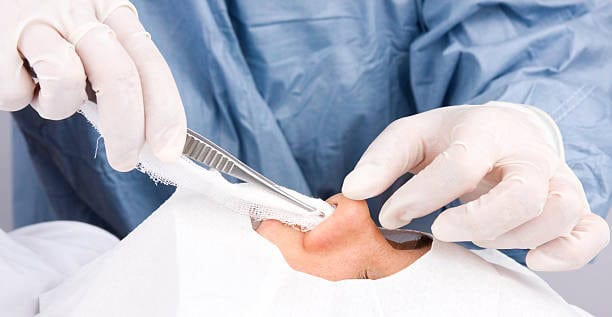
Planning complex surgery abroad requires organization and guidance. Coordinated medical tourism services help patients with consultations, travel planning, and post-operative monitoring.
This structured approach makes Albania not only affordable, but also safe and strategically managed for complex rhinoplasty cases.
Recovery Timeline After Revision Rhinoplasty
First Week
During the first 7 days, swelling and bruising are common, especially around the nose and eyes. A nasal splint is typically worn to protect the new structure and is removed after about one week.
Patients are advised to rest, keep their head elevated, and avoid any pressure on the nose. Mild discomfort is normal and managed with prescribed medication.
Weeks 2 to 3
Visible bruising usually fades, but swelling remains, particularly at the nasal tip. Most patients can return to light daily activities, while avoiding strenuous exercise.
The nose may still look swollen or slightly uneven during this phase. This is part of the normal healing process.
Months 1 to 3
Swelling gradually decreases and the new nasal shape becomes more defined. However, subtle internal healing continues beneath the surface.
Patients should continue avoiding trauma to the nose and follow all aftercare instructions carefully.
Long Term Healing
Final results from revision rhinoplasty can take up to 12 months or longer to fully settle. Because the surgery is more complex than primary rhinoplasty, patience is essential for optimal outcomes.
Red Flags to Avoid When Considering Nose Revision Abroad
- Extremely low prices that seem unrealistic for a complex revision procedure
- Surgeons who do not specialize specifically in revision rhinoplasty
- No before and after photos of real revision cases
- Lack of detailed consultation or rushed online evaluation
- No discussion about cartilage grafting or structural reconstruction
- Clinics that cannot explain functional correction if breathing issues exist
- No clear written treatment plan before requesting payment
- Poor communication or delayed answers to important medical questions
- No structured follow up plan after surgery
- Pressure to book quickly without time to consider the decision
Avoiding these warning signs significantly reduces the risk of complications and unsuccessful revision outcomes.
Frequently Asked Questions About Revision Rhinoplasty Abroad
How long should I wait before having revision rhinoplasty?
Most surgeons recommend waiting at least 9 to 12 months after your first rhinoplasty. This allows swelling to fully resolve and tissues to stabilize before undergoing another procedure.
Is revision rhinoplasty more painful than primary rhinoplasty?
Recovery discomfort is usually similar, but swelling may last longer due to scar tissue and structural reconstruction. Pain is typically manageable with prescribed medication.
Why is revision rhinoplasty more expensive than primary surgery?
Revision cases are more complex and often require cartilage grafting and advanced reconstruction techniques. The added surgical time and expertise increase the overall cost.
Can breathing problems be corrected during revision surgery?
Yes, functional issues such as nasal obstruction or septal deviation can often be corrected during revision rhinoplasty. An experienced surgeon will address both structural and aesthetic concerns when needed.
How long do I need to stay abroad after revision rhinoplasty?
Most patients stay between 7 and 10 days for monitoring and splint removal. Your surgeon will provide a personalized recovery timeline based on your case.
Are the results of revision rhinoplasty permanent?
Yes, once healing is complete, results are long-lasting. However, because revision surgery is complex, choosing an experienced specialist is critical for stable outcomes.
Conclusion: Why Expertise Is the Key to Successful Nose Revision
Revision rhinoplasty is not a simple correction. It is a complex reconstructive procedure that requires precision, advanced technique, and a deep understanding of nasal structure.
Unlike primary nose surgery, revision cases involve scar tissue, weakened cartilage, and altered anatomy. This is why surgical expertise is not optional; it is essential.
Choosing an experienced revision specialist significantly reduces risks, improves functional and aesthetic outcomes, and increases the chances of achieving a natural, stable result. In complex nose surgery, experience is the difference between another disappointment and a successful transformation.

 English
  Italian
  Albanian
  Spanish
  German
  Greek
Greek  French
  Dutch
Dutch  Polish