
The abdomen is often the most frustrating area of the body to address through diet and exercise alone. Even with consistent workouts and healthy eating, many people struggle with stubborn belly fat, loose skin, and weakened abdominal muscles that create a protruding midsection.
Combining a tummy tuck with liposuction addresses multiple abdominal concerns in one comprehensive procedure. While each treatment targets different issues, together they create dramatically improved contours that neither procedure alone could achieve.
This powerful combination has become one of the most requested cosmetic surgery procedures worldwide. Albania has emerged as a premier destination for this transformation, offering experienced surgeons, modern facilities, and significant cost savings compared to Western Europe and North America.
Understanding the Tummy Tuck Procedure
What Is a Tummy Tuck?
A tummy tuck, medically called abdominoplasty, is a surgical procedure that removes excess skin and fat from the abdomen while tightening the underlying muscle layer. It’s far more comprehensive than liposuction alone and addresses structural issues that fat removal cannot fix.
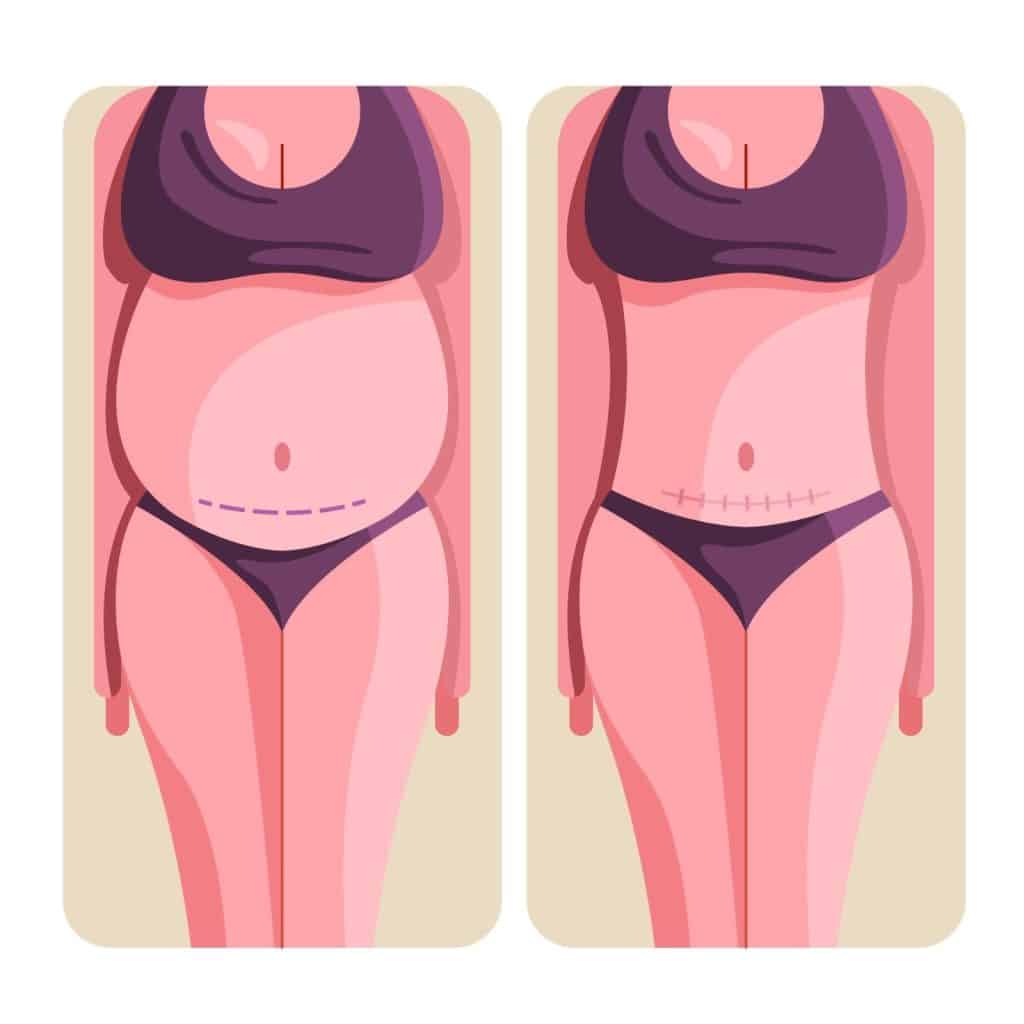
The surgery involves making an incision from hip to hip, typically positioned low enough to hide beneath underwear or a bikini bottom. Through this incision, the surgeon removes the loose, hanging skin that often develops after pregnancy, weight loss, or aging.
But the procedure does more than just remove skin. The abdominal muscles, which often separate or stretch over time (a condition called diastasis recti), are brought back together and tightened. This muscle repair creates a firmer, flatter core and narrows your waistline from the inside out.
Your belly button is repositioned during the procedure because so much skin is removed. The surgeon creates a new opening for your navel that looks completely natural. Most people can’t tell you’ve had surgery unless they see the scar along your lower abdomen.

Who Needs a Tummy Tuck?
Tummy tucks are ideal for patients dealing with loose, sagging abdominal skin that won’t respond to exercise. This typically occurs after significant weight loss, when stretched skin fails to bounce back, or after pregnancy, especially multiple pregnancies that stretched the abdominal area extensively.
The procedure is also essential for addressing separated abdominal muscles. Diastasis recti creates a protruding belly that no amount of sit-ups will fix because the problem isn’t weak muscles but rather separated ones. A tummy tuck repairs this separation, restoring proper muscle structure.
Many patients have a combination of concerns: some excess fat, loose skin, and weakened muscles. The tummy tuck addresses the skin and muscles, while liposuction tackles the fat, making the combination so effective.
Good candidates are at or near their goal weight and have finished having children. Having more children after a tummy tuck can stretch your abdominal area again, potentially compromising your results. Weight stability is also crucial because significant fluctuations affect outcomes.
Types of Tummy Tucks
A full tummy tuck addresses your entire abdomen from your ribcage to your pubic area. The surgeon removes skin and fat from the whole region, repairs all separated muscles, and repositions your belly button. This provides the most dramatic and comprehensive improvement.
A mini tummy tuck focuses on the lower abdomen below your navel. It uses a shorter incision and addresses less skin excess. Your belly button typically isn’t repositioned. This option works well for patients with minimal concerns limited to their lower belly.
An extended tummy tuck takes the incision further around your sides and even into your back, addressing love handles and creating a more complete waistline and lower body improvement. This is common for post-weight loss patients with circumferential skin excess.
Your surgeon recommends the best type based on your specific concerns, skin quality, and desired outcome. During your consultation, they’ll assess your abdomen and explain which approach will give you optimal results.
Understanding Liposuction
What Liposuction Does
Liposuction removes stubborn fat deposits that resist diet and exercise. Small incisions allow the surgeon to insert a thin tube called a cannula that suctions out fat cells from targeted areas.
The procedure sculpts and contours your body by removing fat from specific zones while leaving surrounding areas untouched. This precision allows surgeons to create shape and definition rather than just making you smaller overall.
Liposuction works best on localized fat pockets, not for general weight loss. Ideal candidates are at or near their goal weight but frustrated by disproportionate fat deposits that make their body look unbalanced or prevent them from seeing muscle definition.
Common liposuction areas include the abdomen, love handles, flanks, upper and lower back, inner and outer thighs, and arms. During a tummy tuck combination, liposuction typically focuses on the waist and flanks to create a more sculpted, hourglass figure.

Modern Liposuction Techniques
Traditional liposuction uses a cannula attached to a vacuum device to manually break up and suction out fat. This technique remains effective and is still widely used, especially for larger volumes of fat removal.
VASER liposuction uses ultrasound energy to liquefy fat before removal. The ultrasound waves break down fat cells while leaving other tissues relatively undisturbed. This can provide smoother results with less bruising and faster recovery.
Laser-assisted liposuction employs laser energy to melt fat and tighten skin. The laser’s heat stimulates collagen production, potentially improving skin texture and firmness in treated areas. This works well for patients with mild skin laxity in addition to unwanted fat.
Power-assisted liposuction uses a motorized cannula that vibrates rapidly, making it easier for surgeons to break up and remove fat with less physical effort. This can lead to more precise sculpting and reduced surgeon fatigue during longer procedures.
Albanian plastic surgeons typically offer multiple liposuction technologies, allowing them to choose the best technique for your specific body and goals.
Why Combine Tummy Tuck and Liposuction
Comprehensive Abdominal Transformation
A tummy tuck alone creates a flatter abdomen by removing loose skin and tightening muscles. But without addressing flanking fat deposits on your sides, your waistline may still appear thick or undefined.
Adding liposuction to the sides, love handles, and lower back creates a more dramatic waistline transformation. By sculpting these adjacent areas, the surgeon can create curves and definition that complement your flatter abdomen.
The combination essentially provides 360-degree waistline improvement. Your abdomen becomes flat and tight, while your sides become contoured and tapered. The result is a more proportionate, athletic-looking torso.
Many surgeons routinely combine these procedures because they work synergistically. The tummy tuck addresses structural issues and skin excess, while liposuction handles the fat that the tummy tuck doesn’t remove.
Better Proportions and Contours
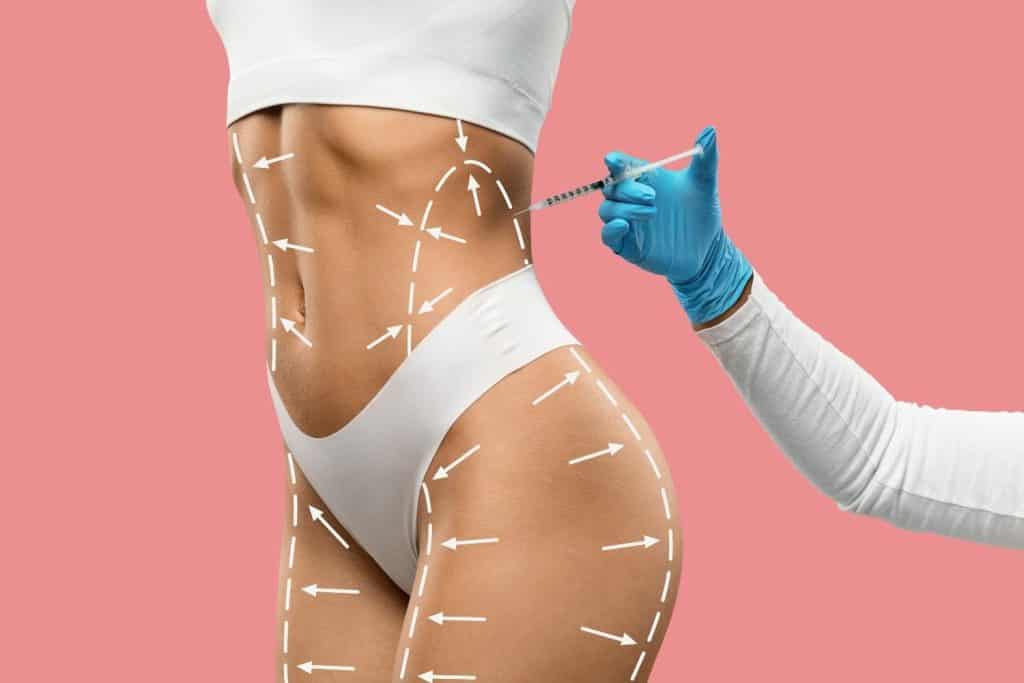
Liposuction allows your surgeon to sculpt and refine your results in ways that a tummy tuck alone cannot achieve. They can create a gentle curve at your waistline, remove the fat that creates muffin tops above your pants, and slim your lower back for a more proportionate appearance.
This contouring is particularly important for patients seeking an hourglass figure. The tummy tuck creates the flat abdomen, while strategic liposuction creates the indented waist that defines the hourglass shape.
For men, liposuction creates more defined obliques and a V-shaped torso. The combination with a tummy tuck gives a more athletic, muscular appearance that signals fitness and vitality.
The proportional improvements also help clothing fit better. Pants sit more comfortably on your hips without gaping at the waist. Fitted shirts look better without excess bulk around your middle. You can wear styles you previously avoided because they revealed your body shape unfavorably.
Single Recovery Period
Undergoing two procedures separately means two periods of downtime, two sets of restrictions, and twice the disruption to your life. By combining them, you only recover once.
This is especially valuable for busy professionals, parents, or anyone who can’t easily take multiple extended breaks from their responsibilities. Three to four weeks of recovery once is far more manageable than having to repeat the process months later for a second procedure.
For medical tourism patients, combining procedures maximizes the value of your trip to Albania. You’re traveling internationally, arranging accommodation, and taking time away from home. Addressing multiple concerns in one journey makes the investment more worthwhile.
Cost Efficiency
Having both procedures together costs significantly less than scheduling them separately. You pay for anesthesia, surgical facility, and surgeon fees only once. When you add in reduced travel expenses for medical tourism patients, the savings become even more substantial.
Albanian clinics often offer package pricing for combined procedures that provides additional discounts beyond the already lower costs. These comprehensive packages typically include surgery, hospital stays, post-operative garments, medications, and follow-up care.
The combined cost in Albania for tummy tuck and liposuction is often less than just a tummy tuck alone would cost in Western Europe, North America, or Australia. This makes the combination procedure accessible to patients who couldn’t afford it at home.
Is This Combination Right for You?
Ideal Candidates
The best candidates are at or near their goal weight with stable weight for at least 6 months. You shouldn’t be actively trying to lose weight when having these procedures.
You have excess abdominal skin, stretched or separated abdominal muscles, and stubborn fat deposits on your abdomen and flanks. The combination addresses all these concerns comprehensively.
You’re in good overall health without medical conditions that would increase surgical risks. Conditions like uncontrolled diabetes, heart disease, or bleeding disorders require management before proceeding.
You’ve finished having children or don’t plan to become pregnant. Having more children after a tummy tuck can stretch your abdomen again and compromise results.
Non-smokers or those willing to quit permanently have better outcomes and lower complication risks. If you currently smoke, quitting is essential for proceeding safely with surgery.
You have realistic expectations about outcomes and understand that surgery leaves scars. Patients seeking improvement rather than perfection tend to be most satisfied with their results.
When to Reconsider
If you’re still losing weight actively, postpone surgery until you’ve reached and maintained your goal weight for at least 6 months. Operating while you’re still losing can lead to less satisfactory results.
Patients planning future pregnancies should wait until after completing their families. Pregnancy can stretch your tightened abdomen and potentially require revision surgery later.
Those with serious medical conditions that make surgery risky should address health issues first. Your medical safety takes priority over cosmetic improvements.
If you can’t commit to post-operative restrictions and care requirements, surgery isn’t appropriate. These procedures require diligent follow-up care for optimal results.

 English
  Italian
  Albanian
  Spanish
  German
  Greek
Greek  French
  Dutch
Dutch  Polish