
Breast implants and pregnancy do not automatically mean you will need another operation afterwards. Your breasts may change in size, shape, or position during pregnancy and breastfeeding, but whether any further surgery is appropriate depends on your implants, surrounding tissues, health, and personal preferences.
What Happens To Breast Implants During Pregnancy?
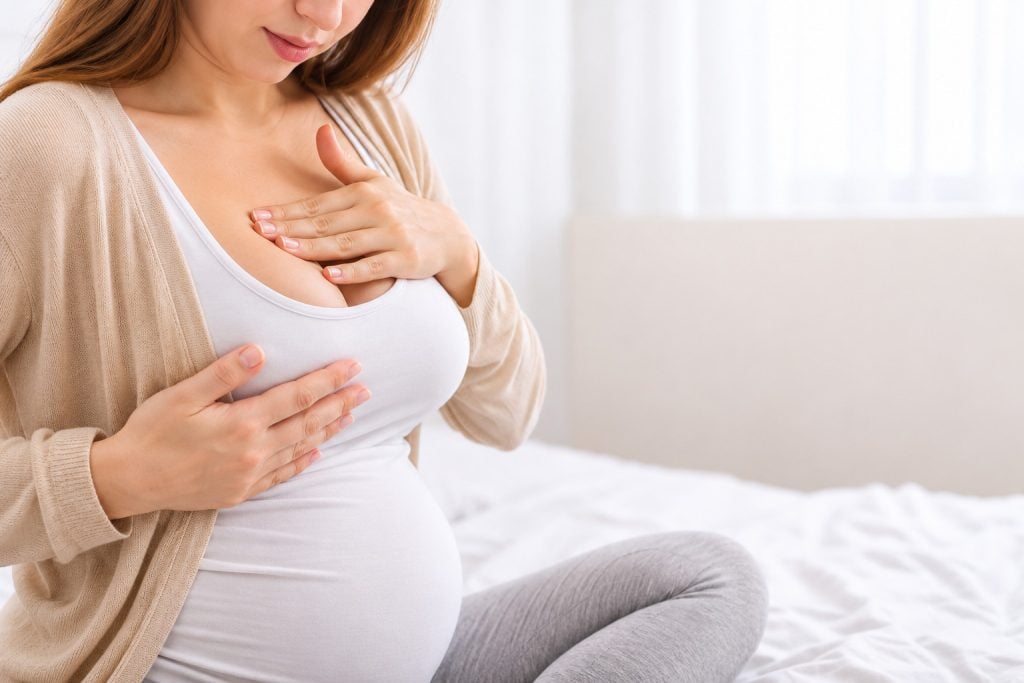
During pregnancy, hormonal changes prepare the breasts for milk production. Natural glandular tissue can enlarge, skin may stretch, and breast size may fluctuate even when the implants themselves remain intact.
After childbirth and breastfeeding, some of that natural volume may decrease. The skin does not always return to its earlier position, which can leave the breasts appearing softer, less full above the implants, or lower on the chest.
These changes do not prove that an implant has moved or ruptured. The visible result of an earlier breast augmentation in Albania may look different because the surrounding breast tissue has changed, not because the device has failed.
Will You Definitely Need Another Breast Operation After Pregnancy?
No, many women are satisfied with their breasts after pregnancy and need no cosmetic revision. If the implants remain intact, there are no concerning symptoms, and you like the appearance, pregnancy alone is not a reason to schedule surgery.
After breast implants and pregnancy, some women do consider another procedure because their goals or anatomy have changed. A qualified plastic surgeon should distinguish ordinary postpartum changes from implant-related complications before recommending a lift, replacement, removal, or no operation at all.
| Situation after pregnancy | Possible next step | Important consideration |
|---|---|---|
| Breasts feel comfortable and appearance is satisfactory | No elective operation | Continue recommended implant monitoring |
| Breasts sit lower but implant condition is acceptable | Consider a breast lift | A lift addresses tissue position rather than implant damage |
| Volume or implant size no longer suits your preferences | Discuss implant exchange | Replacement is a separate operation with new risks |
| Implant rupture, significant contracture, or another complication is suspected | Prompt medical assessment | Imaging and examination guide treatment decisions |
| You prefer not to keep implants | Discuss implant removal | Remaining breast shape may change after explantation |
There is no universal rule that applies to every mother. The decision should be based on examination, realistic expectations, and informed consent rather than before-and-after photographs alone.
Breast Implants And Pregnancy: Why Shape Can Change Even When Implants Are Fine
Implants add volume, but they cannot prevent the natural breast tissue and skin from responding to pregnancy, weight changes, or aging. The degree of change varies with skin elasticity, genetics, initial breast size, weight fluctuations, and the length and pattern of lactation.
Some women notice that the upper breast looks less full after weaning. Others experience changes in nipple position, asymmetry, or additional loose skin, while some see relatively little difference.
Breastfeeding itself should not be blamed for every change. Pregnancy-related expansion and later tissue changes can affect breast shape whether or not a woman breastfeeds.
Does A Larger Implant Prevent Sagging?
Not necessarily, and choosing a larger implant solely to counteract loose skin can create additional weight on the tissues. An implant increases volume, whereas correcting significant breast drooping may require repositioning skin and tissue with a lift.
If you are considering augmentation before having children, discuss how implant size and your existing tissue could influence long-term appearance. An individualized choice may be more useful than pursuing the largest possible change.
Breast Implants And Pregnancy: Can You Breastfeed With Implants?
Many women can breastfeed after augmentation, but milk production cannot be guaranteed. Surgical technique, the location of incisions, implant position, previous breast operations, and the amount of functioning glandular tissue can influence lactation.
Incisions around the areola may affect milk ducts or nerves more than certain other approaches. Implants placed beneath the chest muscle generally interfere less with milk production than those positioned directly beneath breast tissue, although individual outcomes still vary.
General clinical guidance on breastfeeding after breast surgery can inform counselling on breast implants and pregnancy, but your surgeon and maternity healthcare team must assess your circumstances. Tell your midwife, obstetrician, or baby’s healthcare professional about your implants so milk supply and infant weight gain can be monitored when needed.
What If Your Milk Supply Is Lower Than Expected?
Difficulty producing enough milk can have multiple causes, not all related to implants. A lactation specialist may help evaluate feeding technique and milk transfer while your child’s clinician monitors whether supplementation is necessary.
Do not assume that having implants makes breastfeeding unsafe or impossible. Equally, avoid promises that a particular surgical incision will preserve full milk production in every patient.
When Might A Breast Lift Be More Useful Than New Implants?
If your main concern is drooping or a lower nipple position after pregnancy, a breast lift may address the issue more directly than implant exchange. This operation, also called mastopexy, reshapes the breast envelope and may reposition the nipple and areola while leaving suitable existing implants in place when appropriate.
A lift does not automatically require larger implants. For some patients, maintaining their current volume while improving breast position better matches their goals.
The breast lift in Albania page explains the procedure available through providers featured by Medical Tourism in Albania. A surgeon must assess implant position, skin quality, and scarring before deciding whether a lift alone or a combined procedure is reasonable.
When Should Breast Implants Be Replaced Or Removed?
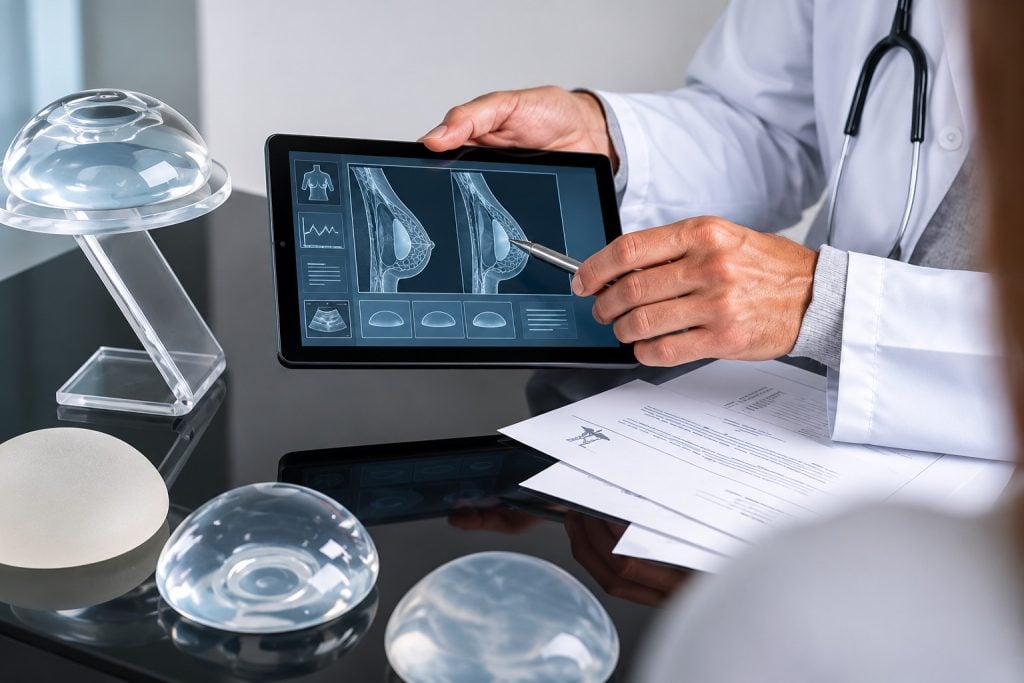
Breast implants are medical devices, not lifetime products. Over time, rupture, capsular contracture, displacement, or other complications may prompt a discussion about revision surgery, regardless of whether you have been pregnant.
Implant age alone is not a reason to schedule automatic replacement during or immediately after pregnancy. A qualified specialist can review your device information, symptoms, and previous imaging history to decide whether routine follow-up is sufficient.
Capsular contracture occurs when scar tissue around an implant tightens excessively. It can make a breast feel unusually firm, change its appearance, or cause discomfort, and deserves a professional assessment.
Another operation might also reflect personal preference, such as wishing for a smaller size after becoming a parent. Our implant replacement page discusses exchange and revision options that may be considered after evaluation.
Is Implant Removal An Option?
Yes, some women decide they no longer want implants, with or without complications. Removal can be performed without inserting replacements, although the resulting shape depends on existing tissue and the amount of stretching that has occurred.
An additional lift may sometimes be discussed after removal if loose skin is a major concern. Our breast implant removal guide describes related considerations, but individual treatment decisions belong with the operating surgeon.
How Can You Tell Normal Changes From Implant Problems?
Pregnancy-related fullness, tenderness, and changes in symmetry can overlap with symptoms that deserve medical attention. Do not try to diagnose an implant complication based only on how your breasts look in the mirror, even after childbirth.
Contact a healthcare professional promptly if you notice a new persistent lump, unexplained swelling, significant pain, redness, sudden shape change, or other unusual symptoms. These findings may have several causes and need examination rather than assumptions about the implants.
Silicone implant rupture can sometimes occur without obvious symptoms. For asymptomatic patients with silicone gel implants, current US FDA recommendations include ultrasound or MRI starting five to six years after placement and every two to three years afterwards, with earlier assessment when symptoms warrant it.
Breast-health screening remains important, including mammograms when recommended for your age and risk. Inform the imaging team that you have implants, because examination techniques may need to be adjusted.
How Long After Pregnancy Should You Wait Before Considering Surgery?
Breasts can continue changing for months after delivery and after breastfeeding ends, which makes timing important. Operating before the tissues stabilize may make it harder to judge the amount of volume loss, skin looseness, or asymmetry that actually remains.
Surgeons commonly recommend waiting until you have recovered from childbirth, finished breastfeeding when relevant, and reached a reasonably stable breast shape and weight. The appropriate interval varies, and your medical team should advise on timing rather than using a fixed date for everybody.
Our article on when to consider a breast lift after pregnancy explores this issue in more detail. Elective surgery should also be planned around your health, caregiving responsibilities, and the practical restrictions of postoperative recovery.
Why Recovery Planning Matters For New Parents
Breast surgery can temporarily limit lifting, strenuous activity, and certain arm movements. If you care for a baby or toddler, arrange help with carrying, household tasks, and daily activities before scheduling a procedure.
Your surgeon should explain activity restrictions and follow-up needs based on the specific operation. Recovery advice after a lift may differ from advice after implant exchange or removal.
Should You Wait Until After Having Children For Your First Implants?
You do not necessarily have to postpone augmentation simply because you might want children in the future. However, if pregnancy is planned soon, waiting until your breasts settle afterwards may help you avoid choosing an implant size or shape that no longer matches your preferences.
Before the first operation, discuss breast implants and pregnancy plans, including breastfeeding, with the surgeon. Ask about implant placement, incision options, expected tissue changes, and the possibility of future revision surgery.
The guide to implants under versus over the muscle explores some of these planning choices. Neither placement option can guarantee unchanged breasts through future pregnancies.
Planning A Post-Pregnancy Consultation In Albania
Medical Tourism in Albania helps international patients explore surgical consultations about breast implants and pregnancy and connect with relevant healthcare providers. We do not perform the operations ourselves, and only the treating surgeon can confirm whether a breast lift, implant exchange, removal, or no intervention is appropriate.
If you are considering treatment after pregnancy, provide a clear summary of your implant history and concerns. Useful information includes:
- The date of your original augmentation and the implant type, if known.
- Previous breast surgeries or complications.
- Changes noticed during pregnancy and after breastfeeding.
- Whether you have completed breastfeeding and whether your weight is stable.
- Any new pain, swelling, firmness, or asymmetry.
- Existing implant records or imaging results, when available.
Before traveling, clarify who will examine you, what tests may be required, and how postoperative reviews will be arranged. A consultation may reveal that monitoring is more appropriate than another operation.
Frequently Asked Questions About Breast Implants And Pregnancy
Can Pregnancy Damage Breast Implants?
Pregnancy changes breast tissue but does not automatically damage implants. Suspected rupture or another device problem requires appropriate medical assessment rather than assuming pregnancy caused it.
Will My Implants Need Replacing After Breastfeeding?
Not simply because breastfeeding has ended. Replacement decisions depend on implant condition, symptoms, examination findings, and whether you want a different breast size or shape.
Can I Have A Breast Lift Without Changing My Implants?
Sometimes, if the existing implants are suitable and your concern is mainly tissue drooping. The surgeon must evaluate implant position, breast skin, and whether a combined procedure is safer or more effective.
Is Breast Surgery Recommended During Pregnancy?
Elective cosmetic breast surgery is generally postponed during pregnancy. Any urgent breast concern should instead be discussed promptly with your obstetric and appropriate surgical healthcare professionals.
Will Another Pregnancy Undo A Breast Lift?
Future pregnancy may again change breast volume, skin, and position, potentially affecting the appearance achieved by a lift. It does not guarantee that further surgery will be necessary, but this possibility belongs in long-term planning.
Has Pregnancy Changed Your Breasts? Let’s Find The Right Solution For You
Wondering whether the changes you notice after breast implants and pregnancy call for a breast lift, implant replacement, or simply continued monitoring? Medical Tourism in Albania can help you prepare questions for a qualified surgical consultation and explore options based on your goals.
- ✅ Understand your options: Discuss volume changes, sagging, and existing implants with a specialist.
- ✅ Review your implant history: Ask which records or imaging may be useful before making decisions.
- ✅ Plan around motherhood: Clarify recovery requirements and follow-up arrangements before traveling.
📧 Email: info@medicaltourisminalbania.com
📞 Phone: +355 45 627 297
🌐 Contact: Explore a consultation about your breast implants

 English
 Italian
 Albanian
 Spanish
 German
 Greek
 French
 Dutch
 Polish