
Considering septoplasty in Albania because you struggle to breathe through your nose? Choosing the right ENT surgeon in Tirana begins with understanding the cause of your symptoms, verifying the doctor’s experience, and asking how your care will be managed before and after surgery.
Why The Right ENT Surgeon Matters For Septoplasty In Albania
Septoplasty is an operation that straightens or repositions the nasal septum, the internal wall separating the two nasal passages. Its principal purpose is to improve airflow when a deviated septum contributes significantly to nasal obstruction, not to change the nose’s appearance.
However, a crooked septum is not the only reason someone experiences congestion. Allergies, enlarged turbinates, nasal polyps, inflammation, and weakness of the nasal valve can cause similar symptoms or coexist with a deviation.
A good surgeon therefore investigates the problem before suggesting an operation. For international patients comparing septoplasty in Albania with other medical services in Tirana, that diagnostic judgment matters as much as surgical technique.
1. Look For An ENT Specialist With Relevant Experience
An ENT surgeon, also called an otolaryngologist, specializes in conditions affecting the ears, nose, and throat. When choosing someone for functional nasal surgery such as septoplasty in Albania, ask about recognized medical qualifications, specialist registration, and specific experience with septoplasty and nasal airway assessment.
This experience should match the complexity of your condition. A straightforward deviation may require different skills from a severely twisted septum, previous nasal trauma, or persistent obstruction after earlier surgery.
Do not rely on statements such as “leading surgeon” without supporting details. Instead, request the operating doctor’s full name, professional credentials, and an opportunity to discuss similar cases directly.
Ask whether the surgeon routinely evaluates the nasal valve, which can narrow when you breathe in. Missing this problem may leave symptoms unresolved even if the septum itself is straightened.
Questions About Surgical Expertise
Your consultation should let you evaluate how clearly the surgeon explains both options and limitations. Useful questions include:
- How often do you perform septoplasty and other functional nasal operations?
- Have you treated patients with symptoms or previous surgeries like mine?
- Will you personally perform the entire operation or supervise another surgeon?
- What findings would make you recommend a different treatment?
- How do you handle persistent obstruction or complications after surgery?
The answers should be specific enough to inform your decision without promising a particular result. If the surgeon cannot explain why septoplasty is appropriate for your symptoms, it is reasonable to seek another opinion.
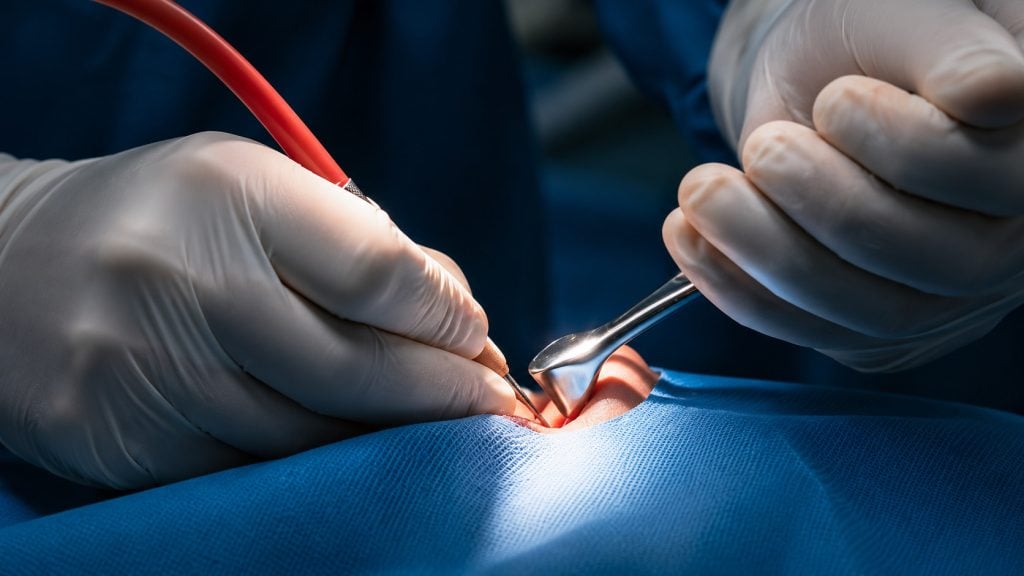
2. Expect A Thorough Nasal Examination Before Septoplasty In Albania
An ENT consultation should start with your history, not simply a photograph of your nose. Explain whether one nostril or both feel blocked, how long symptoms have lasted, and whether breathing changes during sleep, exercise, or allergy seasons.
The surgeon should examine the external nose and internal nasal passages. They should assess the septum while also looking for enlarged turbinates, polyps, inflammation, and possible nasal valve problems.
Some specialists also use an initial nasal obstruction questionnaire to record how strongly symptoms affect daily life. Repeating the same questions after treatment can help assess improvement, although a score never replaces examination or personal judgment.
When Are Nasal Endoscopy And CT Scans Useful?
Nasal endoscopy uses a small viewing instrument to inspect structures that are difficult to see during a basic examination. It can be helpful when the cause of obstruction remains uncertain or other nasal conditions are suspected.
A CT scan is not automatically necessary before every septoplasty. Imaging may be appropriate when sinus disease, complex anatomy, or another specific concern requires investigation, but history and examination remain central.
A surgeon who explains why a test is needed demonstrates a thoughtful approach to diagnosis. Be cautious of any fixed package that treats advanced imaging as mandatory for everybody without considering individual findings.
3. Ask Whether You Really Need Septoplasty In Albania
Finding a deviated septum does not automatically mean surgery is indicated. Many people have some septal asymmetry, and an ENT specialist must determine whether it actually explains meaningful symptoms.
Where inflammation or allergies contribute to blockage, the doctor may first discuss saline rinses, appropriate nasal medicines, or allergy management. These treatments cannot straighten cartilage, but they may improve breathing enough that surgery is unnecessary or can be planned more accurately. Mayo Clinic similarly notes that medicines may ease swelling inside the nose, but surgery is the only way to straighten a deviated septum.
Evidence from clinical research suggests septoplasty can improve symptoms more than medical management for appropriately selected adults with at least moderate obstruction linked to septal deviation. Individual improvement still varies, and surgery will not automatically resolve every breathing or sleep complaint.
Our existing guide to septoplasty in Albania explains the procedure itself. When choosing a surgeon, focus particularly on how they establish that your symptoms and the proposed correction match.
4. Understand Septoplasty Versus Rhinoplasty
Patients sometimes use the term “nose surgery” for very different operations. Septoplasty primarily addresses internal nasal structure, while rhinoplasty alters the external shape of the nose and may also involve functional reconstruction when necessary.
If you want to correct both breathing and appearance, a combined septorhinoplasty may be considered. This requires an assessment of the nasal airway alongside aesthetic goals and may involve a different surgical plan.
| Procedure | Primary purpose | Important consideration |
|---|---|---|
| Septoplasty | Correct a deviated internal septum | Usually does not intentionally reshape the outer nose |
| Rhinoplasty | Change external nasal shape | Breathing must also be evaluated and protected |
| Septorhinoplasty | Address selected functional and appearance concerns | Requires planning for both airway function and shape |
You can explore the differences in our rhinoplasty versus septorhinoplasty guide. If external shape is part of your concern, the rhinoplasty treatment page provides further context for the consultation.
5. Confirm Where And How The Surgery Takes Place
The surgeon’s qualifications are only one part of safe care. Ask which hospital or surgical facility will perform your septoplasty in Albania, what standards it follows, and whether an appropriately trained anesthesia professional will assess you.
Clarify whether surgery is planned under general or local anesthesia, how postoperative monitoring works, and whether an overnight stay might be needed. The answer depends on your health, the planned correction, and the treating team’s clinical judgment.
The provider should also review medical conditions, allergies, current medicines, previous anesthesia problems, and any tendency to bleed. Smoking and medications that affect clotting may influence preparation, but never stop prescribed treatment without instructions from the responsible clinician.
Ask Who Takes Responsibility For Complications
Every surgical procedure carries risks, even when performed by an experienced team. With septoplasty in Albania or any other country, possible problems include bleeding, infection, persistent blockage, septal perforation, altered sensation or smell, and, occasionally, changes to nasal shape.
Some patients may need further treatment or revision surgery if symptoms remain. A responsible provider should explain the likely risks for your case and identify who will assess you if a problem develops.
6. Review The Recovery And Follow-Up Plan
After septoplasty in Albania, temporary congestion can be more noticeable than before surgery because of swelling, crusting, or internal splints. Mild blood-stained drainage and discomfort may occur early, while breathing tends to improve gradually as healing progresses.
Ask how to care for the nose, whether saline rinses are recommended, and when splints or dressings need review. Your surgeon should provide individualized instructions about sleeping, nose blowing, exercise, lifting, and avoiding accidental nasal trauma.
Why Follow-Up Is Especially Important When Traveling
Patients having septoplasty in Albania should not assume they can fly home immediately after surgery. The treating clinician must advise when travel is appropriate, taking account of bleeding risk, healing, and any planned postoperative examination.
Before booking flights, confirm which follow-up visits must happen locally and who will provide care once you return home. Arrange a clear route for urgent help if substantial bleeding, fever, worsening pain, or other concerning symptoms appear.
Medical Tourism in Albania helps international patients explore treatment arrangements, but the operating surgeon and healthcare provider remain responsible for medical decisions. Our guide to planning treatment from consultation through recovery offers practical questions about organizing a medical journey.

7. Evaluate Communication Before You Travel
Clear communication is essential when selecting an ENT surgeon abroad. You should know which professional is reviewing your symptoms, whether a direct surgical consultation is available, and how accurately your medical history will be communicated.
Ask whether consultations and written instructions can be provided in a language you understand. For patients coming from Italy, this includes clarifying the availability of Italian-language support rather than assuming every clinician speaks Italian.
Prepare a concise description of your problem, including previous treatments and any investigations already performed. A symptom history can help the team decide what information to request, although an online exchange does not replace a physical examination.
What Information Should You Send Initially?
You can organize your first enquiry around practical details:
- How long you have experienced nasal blockage and which side is affected.
- Whether symptoms vary with allergies, seasons, or sleeping position.
- Previous nasal injuries, operations, or specialist diagnoses.
- Nasal sprays, allergy medicines, or other treatments already tried.
- Relevant medical conditions and medications.
- Existing examination reports, if available.
Avoid sending sensitive information through channels you do not trust. Ask how records will be handled and share only what is relevant to the consultation.
8. Compare The Overall Care Plan, Not Just A Quotation
When comparing options for septoplasty in Albania, a lower quotation should not be the deciding factor. Ask exactly which medical services are included and whether consultations, anesthesia, postoperative checks, and possible additional care are covered.
Also clarify what happens if the surgeon decides during examination that septoplasty is unsuitable or that another nasal problem must be treated first. A reliable process allows the treatment plan to change in response to clinical findings.
For international visitors, timing and follow-up access are important parts of value. Our article on medical tourism for Italian patients discusses the wider questions involved in arranging treatment across borders.
Warning Signs When Choosing An ENT Surgeon
An impressive website cannot replace evidence of specialist competence and proper clinical assessment. Be cautious if a provider confirms surgery without reviewing symptoms, refuses to identify the operating surgeon, or dismisses questions about risks.
Other reasons to reconsider include pressure to pay immediately, promises of perfect breathing, and no clear arrangements for complications. A trustworthy consultation should make room for uncertainty, informed consent, and the possibility that surgery is not the right next step.
If you have already undergone nasal surgery, explain this before accepting a new plan. Revision cases may involve scar tissue or altered anatomy and can require more specialized expertise, as discussed in our revision rhinoplasty abroad guide.
Frequently Asked Questions About Septoplasty In Albania
Can Septoplasty Cure Snoring Or Sleep Apnea?
Septoplasty may improve nasal obstruction, but it is not a reliable standalone cure for snoring or obstructive sleep apnea. Symptoms such as witnessed breathing pauses or significant daytime sleepiness deserve a separate sleep-related assessment.
Can A Surgeon Diagnose My Deviated Septum From Photos?
External photographs may help communicate visible nasal shape, but they cannot reliably establish the internal cause of obstruction. A clinician generally needs a history and nasal examination to determine whether septoplasty is appropriate.
Will Septoplasty Change How My Nose Looks?
Septoplasty usually aims to preserve external appearance while correcting the internal septum. However, shape changes can occasionally occur, especially in complex cases, and should be discussed before consent.
What If My Nose Is Still Blocked After Surgery?
Swelling and crusting can cause temporary congestion during healing. Persistent or worsening blockage later requires reassessment for remaining deviation, valve problems, inflammation, or another underlying cause.
Can I Choose My ENT Surgeon Before Arriving In Albania?
You can request the surgeon’s identity and credentials and ask for a preliminary consultation before making travel plans. Final treatment recommendations may still change after an in-person examination and any necessary testing.
Take The First Step Toward Easier Breathing!
Tired of struggling with a blocked nose or persistent breathing difficulties? At Medical Tourism in Albania, we help international patients connect with qualified ENT specialists in Tirana and explore personalized treatment options for a deviated septum, including septoplasty in Albania.
Here’s how we can help you get started:
- ✅ Find the right specialist: Explore ENT surgeons experienced in functional nasal procedures.
- ✅ Understand your options: Learn whether septoplasty may be suitable for your breathing concerns.
- ✅ Plan your treatment abroad: Get assistance with consultation arrangements and the next steps of your medical journey.
Ready to take the next step? Get in touch with us today!
- 📧 Email: info@medicaltourisminalbania.com
- 📞 Phone: +355 45 627 297
- 🌐 Free Consultation: Contact Medical Tourism in Albania

 English
 Italian
 Albanian
 Spanish
 German
 Greek
 French
 Dutch
 Polish